
Pests
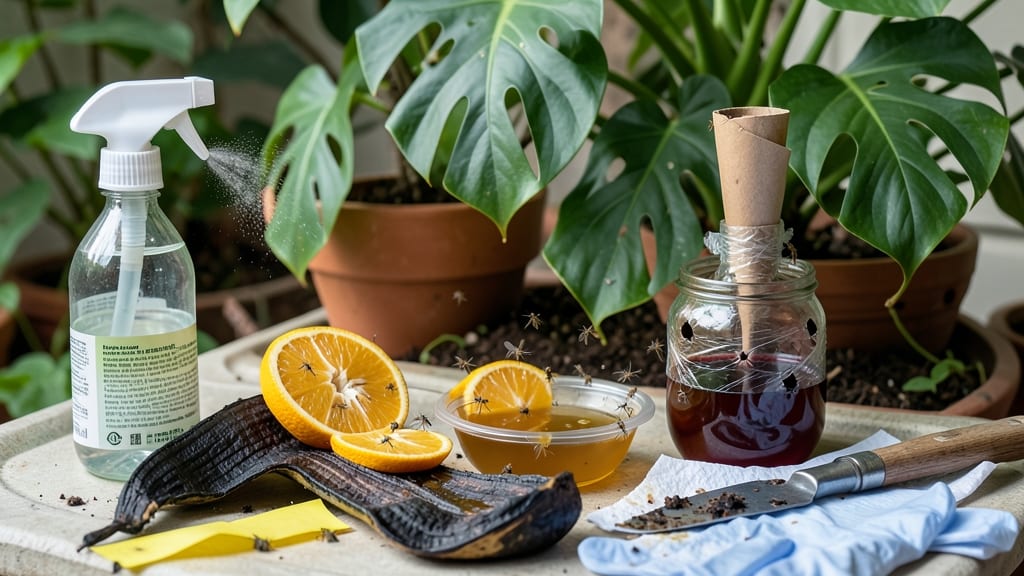
Fruit flies in your houseplants aren't just annoying—they're a clear sign your soil needs attention. 🌱 I've battled these tiny pests for years, and the fastest way to eliminate them is with a simple vinegar trap that works in under 24 hours.
The key is acting fast before they multiply and damage your plants.
These flies thrive in damp, organic soil, so the first step is always checking your watering habits. Overwatering creates the perfect breeding ground, but even well-drained soil can attract them if plant debris builds up.
My go-to solution combines apple cider vinegar, dish soap, and a plastic cup—no fancy equipment needed.
Within a day, you'll see the trap filling with flies, and your plants will start looking healthier. The vinegar lure disrupts their life cycle while the soap breaks their surface tension, ensuring they don't escape. Best of all, this method is completely safe for your plants and pets.
For long-term prevention, focus on keeping soil dry between waterings and removing any rotting plant matter. A little maintenance now means no more fruit fly invasions later—your peace of mind (and your plants) will thank you.
The Hidden Triggers Inviting Fruit Flies
Fruit flies—those tiny, buzzing nuisances—don’t just appear out of nowhere in your houseplants. Their presence is almost always a sign of unseen conditions your plants (or kitchen) are providing. Understanding why they’re drawn to your green friends is the first step to kicking them out for good.
Let’s break down the science behind their attraction, so you can address the root cause and reclaim your peace.
Fruit flies (specifically Drosophila melanogaster) are drawn to fermenting sugars and organic decay. When houseplants—like peace lilies, ferns, or even overwatered succulents—develop rotting roots, moldy soil, or mushy leaves, they release volatile organic compounds (VOCs) that mimic the scent of ripe (or overripe) fruit.
These VOCs, such as ethanol, acetic acid, and esters, act like a dinner bell to fruit flies.
- 🌱 The science: Flies use their olfactory receptors to detect these compounds from up to 3 miles away (yes, really). Once they land, they lay eggs in moist, decaying material, where larvae can feed and mature in just 3–7 days.
- 🚨 Red flags:
- Black, slimy soil or a sour, yeasty smell when you water.
- Yellowing leaves that stay mushy instead of crisp.
- Fungal growth (white, pink, or black fuzz) on soil or stems.
- 💡 Pro tip: If your plant’s soil smells like vinegar or booze, it’s a fermentation warning sign. These flies thrive in anaerobic (low-oxygen) environments—common in overwatered pots.
Houseplants often sit in saucers or cachepots filled with stagnant water, creating the perfect breeding ground for fruit flies. Even a thin layer of water (like condensation from misting or overwatering) can harbor eggs and larvae.
The flies are attracted to the microbial activity in this water, which produces the same fermenting scents as rotting fruit.
- 🔬 The science: Stagnant water encourages yeast and bacteria to multiply, releasing acetaldehyde and higher alcohols—compounds that fruit flies find irresistible. A single saucer can become a fly nursery in under 48 hours.
- 🚨 Red flags:
- Water sitting in the saucer for more than 2 hours after watering.
- White, film-like residue on water surfaces.
- Gnats (not just fruit flies) hovering near the soil.
- 💡 Pro tip: If your plant’s pot has drainage holes but still holds water, it’s a sign of compacted soil. Flies exploit this—always empty saucers post-watering and consider terracotta pots, which dry faster.
Some houseplants naturally produce sweet sap or nectar, especially when stressed, damaged, or flowering. For example, monstera leaves can ooze sugary liquid when cut, and peperomia flowers may exude nectar. Fruit flies are hardwired to seek out these sugar sources, mistaking them for fruit.
- 🧪 The science: The sap contains simple sugars (fructose, glucose) and amino acids, which flies metabolize quickly. A single drop can attract dozens of flies within hours.
- 🚨 Red flags:
- Sticky residue on leaves or stems.
- Small, clear droplets on new growth or flowers.
- Flies clustering near specific leaves (not just the soil).
- ✨ Quick fix: Wipe sap with a damp cloth and rinse leaves with water to disrupt their scent trail. Avoid sugary fertilizers—they can make the problem worse!
Some well-meaning plant owners use compost tea, molasses, or yeast-based fertilizers to boost soil health—but these can accelerate fruit fly infestations. The residual sugars and yeast in these amendments create a fermentation cycle that flies can’t resist.
- 🧬 The science: Yeast and molasses introduce live microbial activity, producing ethanol and CO₂—the same byproducts of rotting fruit. Even a small amount can turn your potting mix into a fly magnet.
- 🚨 Red flags:
- Soil that smells sweet or alcoholic after fertilizing.
- Flies appearing immediately after using liquid fertilizers.
- White, foamy residue on soil surface (sign of yeast overgrowth).
- 🔥 Solution: If you use compost tea, dilute it to half-strength and rinse the soil with water afterward. Switch to slow-release, sugar-free fertilizers like worm castings or balanced NPK granules.
Fruit flies thrive in warm, humid environments—the same conditions many tropical houseplants love. If your plant is in a bathroom, kitchen, or near a humidifier, the combination of heat + moisture speeds up fermentation and larval development.
- 🌡️ The science: High humidity (60%+) reduces evaporation, keeping organic matter moist longer. Warmth (75–85°F) accelerates microbial activity, releasing more fly-attracting VOCs. It’s like a fly sauna.
- 🚨 Red flags:
- Condensation on leaves or windows near your plant.
- Flies only appearing in certain rooms (e.g., bathroom vs. bedroom).
- Mold growth on both plants and walls.
- 💡 Ventilation hack: Place a small fan near your plants to reduce humidity. If using a humidifier, avoid aiming it at soil—direct mist encourages fermentation.
Quick Fixes for Fruit Fly Infestations
Fruit flies in your houseplants are more than just a nuisance—they can multiply rapidly and spread to other plants if left unchecked. The good news? With the right approach, you can eliminate them fast and keep them from coming back.
Below, we’ve mapped out practical solutions based on the root cause of your infestation, along with prevention tips to stop future outbreaks.
Fruit flies are drawn to fermenting organic material, so if your houseplants have rotting leaves, fallen fruit, or damp soil, they’ll swarm. Here’s how to tackle it:
🔥 Step 1: Remove the Attraction
- Inspect your plants for mushy leaves, fallen berries, or overripe produce (like citrus peels or banana skins) near them. 🕵️♂️
- Trim damaged leaves with clean scissors and discard them in a sealed trash bag (or compost bin with a lid).
- Empty and clean plant saucers—stagnant water or old soil debris can harbor larvae.
🍳 Step 2: Set Up a DIY Trap
Combine these in a small bowl or jar:
- 1 cup apple cider vinegar (or wine, beer, or overripe fruit juice)
- 1 drop of dish soap (to break the surface tension so flies drown)
- A plastic wrap or paper towel draped over the top (secured with a rubber band) to keep flies from escaping.
Pro Tip: 💡 Place traps near infested plants and check them daily. Replace the liquid every 2–3 days for maximum effectiveness.
🌡️ Step 3: Prevent Future Decay - Repot plants if the soil is soggy or smells foul.
Use a well-draining mix and a pot with drainage holes. - Wipe down leaves with a damp cloth to remove dust and debris. - Store fruits/veggies in the fridge or sealed containers—never leave them near houseplants.
Moisture-loving fruit flies thrive in soggy potting mix, especially if your plant is overwatered. Here’s how to dry it out safely:
👨🍳 Step 1: Adjust Your Watering Routine - Let the top inch of soil dry out before watering again.
Stick your finger in the soil to test—if it’s damp, wait! - Use a moisture meter for peace of mind (or the "squeeze test": if soil clumps easily, it’s too wet). - Water at the base (not overhead) to reduce excess moisture on leaves.
🥘 Step 2: Improve Drainage
- Add perlite or sand to heavy soil mixes to improve aeration.
- Repot if necessary into a container with drainage holes. Terracotta pots help wick away moisture.
- Avoid saucers with standing water—empty them after watering.
✨ Step 3: Disinfect the Soil (Optional)
If larvae are already present, mix 1 tbsp of cinnamon or diatomaceous earth into the top layer of soil. These natural powders:
- Cinnamon disrupts fungal growth (which attracts flies).
- Diatomaceous earth dehydrates larvae and eggs (wear a mask when applying).
Warning: Avoid chemical pesticides—they can harm your plants and pets!
If you recently bought a new plant or brought in outdoor greenery, fruit flies might have hitched a ride. Act fast to contain them:
🔪 Step 1: Quarantine New Plants
- Keep the new addition separate from others for 2–4 weeks while monitoring for pests.
- Wipe leaves with neem oil (1 tsp neem oil + 1 tsp mild soap per quart of water) to deter flies.
📊 Step 2: Inspect Thoroughly
- Shake out leaves over a white sheet to spot eggs or larvae.
- Check under pots and in crevices for hidden flies.
- Seal gaps in windows or doors with mesh screens to prevent re-entry.
🎯 Step 3: Boost Plant Health Healthy plants resist pests better!
Give your greens: - Bright, indirect light (most houseplants thrive near a window but not in direct sun). - Balanced fertilizer (follow package instructions to avoid overfeeding, which attracts flies). - Good airflow (space plants apart to reduce humidity pockets).
Once you’ve eliminated the infestation, break the cycle with these habits:
- Clean up spills and crumbs—fruit flies are drawn to sugar residues.
- Take out trash regularly and use lidded bins.
- Wash fruit before composting—peels and cores can ferment.
- Rotate houseplants occasionally to check for hidden pests.
- Use essential oil deterrents (place a few drops of eucalyptus, peppermint, or lavender oil on cotton balls near plants).
Final Thought: 🌿 Fruit flies are persistent, but with these targeted fixes, you’ll see results in 24–48 hours. Stay vigilant, and your houseplants will stay fly-free!
Frequently asked questions
Why do fruit flies keep coming back even after I've used traps?
Fruit flies return when their breeding conditions remain unchanged. Check for hidden sources like rotting leaves, stagnant water in saucers, or overripe fruit near your plants. Also, replace traps every 2-3 days—old vinegar loses its lure. Focus on drying soil between waterings and removing organic debris.
Can I use store-bought fruit fly traps near my houseplants?
Yes, but choose pet-safe options like the ones with protein-based lures (not vinegar). Place them away from leaves to prevent accidental ingestion. For extra safety, make your own vinegar traps—they're just as effective and completely non-toxic. Always follow package instructions for placement.
How long does it take to completely eliminate a fruit fly infestation?
With consistent trapping and environmental fixes, you should see 90% reduction in 24-48 hours. Complete elimination typically takes 5-7 days because you're targeting both adult flies and larvae. Monitor for 2 weeks after seeing no new flies to confirm the infestation is gone.
Will fruit flies harm my houseplants?
While adult flies don't damage plants directly, their larvae can cause root rot by feeding on organic matter in soil. Severe infestations may lead to yellowing leaves or stunted growth. The good news? They're more annoying than dangerous—acting quickly prevents any lasting harm.
What's the best way to prevent fruit flies from spreading to other plants?
Isolate infested plants for at least 3 days while treating. Wipe down leaves with neem oil solution (1 tsp oil + 1 tsp soap per quart of water) as a preventive barrier. Keep new plants in quarantine for 2 weeks before introducing them to your collection.