
Container Gardens
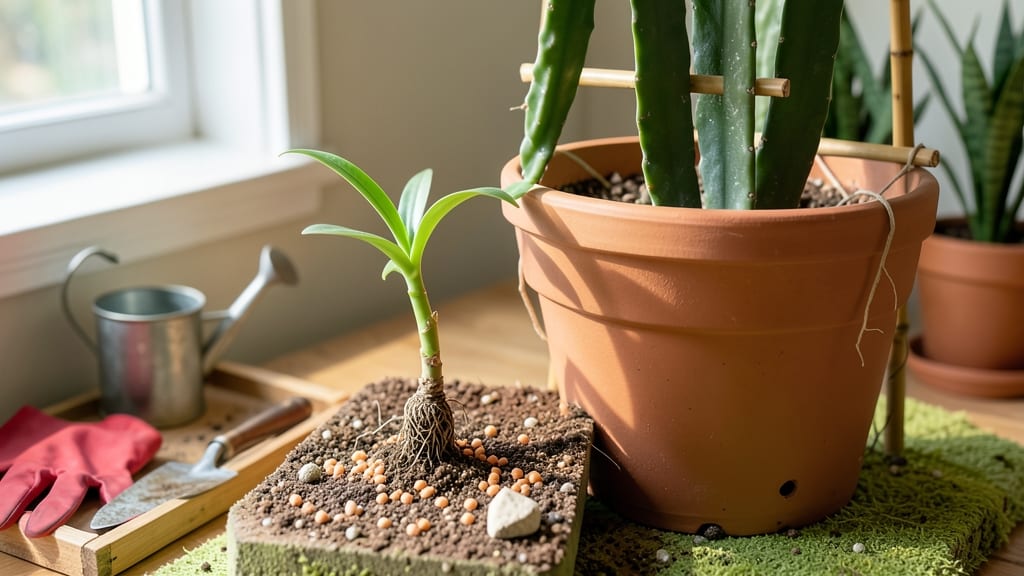
Planting dragon fruit in a pot turns your balcony into a tropical jungle. 🌿 This climbing cactus thrives in containers with the right mix of sun, soil, and care—no backyard required. My first attempt produced fruit within two years, and the process is simpler than you’d think.
You’ll need a 5-gallon pot (minimum) with drainage holes, well-draining cactus soil, and a sturdy trellis for support. Dragon fruit plants grow fast—expect 10-15 feet of vines in ideal conditions. The key is balancing water (never soggy soil) and light (full sun, 6+ hours daily).
By summer, you’ll see vibrant pink or yellow blooms followed by sweet, kiwi-like fruit. The plants are drought-tolerant once established, making them perfect for busy gardeners. Just watch for pests like mealybugs and keep the soil slightly moist but never waterlogged.
Works for varieties like Hylocereus undatus (white flesh) or Hylocereus megalanthus (red flesh). Start with a cutting from an existing plant for the fastest results!
📚 In This Guide
- What you need
- Instructions
- Tips and common mistakes
- Wrapping up and next steps
What you need
- ● Dragon fruit plant: A healthy cutting (4–6 inches long) with at least 2–3 nodes, or a young potted plant from a nursery.
- ● Container: A pot 12–18 inches in diameter (minimum) with drainage holes. Pro tip: Terracotta or fabric pots work best!
- ● Well-draining soil: A mix of 50% cactus/succulent soil and 50% perlite or pumice (or a pre-made mix labeled for cacti).
- ● Drainage material: 1–2 inches of gravel, pebbles, or broken pottery at the pot’s bottom.
- ● Support structure: A trellis, bamboo stake, or wire cage (at least 4–6 feet tall) for climbing.
- ● Pruning shears or sharp knife: For trimming cuttings or roots.
- ○ Rooting hormone (optional): Speeds up root growth for cuttings.
- ● Slow-release fertilizer: A balanced 10-10-10 or 5-5-5 formula for cacti/succulents.
- ○ Mulch (optional): Gravel or bark chips to retain moisture and deter weeds.
- ● Spray bottle: For misting cuttings during rooting.
Step-by-step instructions for planting dragon fruit in pots
Here’s how to grow this tropical beauty in containers—no sprawling yard required.
🪴 Step 1: Choose the Right Pot and Drainage
Dragon fruit thrives in 5-gallon containers or larger, with multiple drainage holes to prevent root rot. I use terracotta pots because they breathe and wick away excess moisture—critical for cacti. If your pot lacks holes, drill four ¼-inch holes near the bottom.
Place a 2-inch layer of gravel or broken pottery in the bottom before adding soil. This creates an air pocket that prevents soggy roots. The pot should be at least 12 inches deep—shallower containers stunt growth. For 4 plants, you’ll need 4 pots of this size.
🌱 Step 2: Prepare the Soil Mix for Optimal Growth
Dragon fruit needs fast-draining, nutrient-rich soil—never regular garden dirt. Mix 50% cactus/succulent potting soil with 30% perlite and 20% compost. This blend mimics its native rocky, well-aerated habitat. Avoid peat-heavy mixes; they retain too much moisture.
Sterilize the mix by baking it in the oven at 200°F for 30 minutes to kill fungus or bacteria. Let it cool completely before use. Fill each pot ⅔ full with this mix, leaving room for root expansion. Tap the pot gently to settle the soil—no air pockets near the roots.
☀️ Step 3: Plant the Cuttings at the Correct Depth
Dragon fruit grows from paddles (flat, leafy cuttings). Let them dry for 2-3 days to form a callous before planting. Insert each cutting 1-2 inches deep, angling it slightly so the thicker end faces downward. This mimics natural growth habits and encourages stability.
Space 4 cuttings per pot (or 1 per pot if using larger varieties). Water lightly only after planting—overwatering now drowns the delicate roots. Place pots in bright, indirect light for the first week to reduce transplant shock.
💧 Step 4: Master Watering and Light for Thriving Plants
Water deeply every 7-10 days, letting 2 inches of soil dry out between waterings. Stick your finger 1 inch into the soil—if it’s dry, water until it drains from the holes. Dragon fruit hates soggy soil but needs consistent moisture to fruit.
Move pots to full sun (6+ hours daily) after 2 weeks. A south-facing window works, but supplement with a grow light 12 inches away if growth stalls. You’ll know light is right when new leaves are deep green and upright—yellow or stretched leaves mean more sun.
✂️ Step 5: Support Growth and Prepare for Harvest
Install a trellis or sturdy bamboo stake as soon as shoots reach 6 inches tall. Dragon fruit is a vigorous climber—without support, it flops and breaks. Tie stems gently with soft plant ties, adjusting as they grow. Prune yellow or crossing branches to encourage airflow and fruiting.
Fruit appears 18-24 months after planting, but you’ll see pink buds first. Harvest when the fruit is plump and slightly soft—twist gently until it separates from the vine. With proper care, each pot yields 2-4 fruits annually. Save a few paddles to propagate new plants!
Tips & tricks for perfect dragon fruit in pots
Growing dragon fruit in containers is simpler than you think—once you know these game-changing details.
Pot Selection Wisdom: While 5-gallon containers work perfectly, consider adding a saucer underneath to catch excess drainage. This prevents mineral buildup from evaporated water, which can harm roots over time. For urban balconies, choose lighter materials like plastic—terracotta pots are heavier when saturated. Remember, the deeper the pot (minimum 12 inches), the more stable your climbing cactus will be as it matures.
Soil Sterilization Secret: The 200°F sterilization step isn't just about killing pathogens—it also activates beneficial microbes in your compost. For extra insurance, sprinkle a thin layer of cinnamon over the sterilized soil before planting. This natural antifungal prevents damping-off disease in young cuttings. The cinnamon will break down harmlessly as your plants establish themselves.
Cutting Prep Technique: When letting your paddles dry for 2-3 days, place them on a wire rack rather than directly on paper towels. This allows air circulation on all sides, forming a more uniform callus. Pro tip: Use a sharp knife to make clean cuts at the base—ragged edges slow down the callusing process and increase rot risk.
Light Transition Strategy: That first week in bright indirect light is crucial for shock prevention. I recommend placing pots near an east-facing window where they'll receive gentle morning sun without the harsh afternoon intensity. If using grow lights, position them 12 inches away and use a timer for 12 hours of light daily—this mimics natural daylight cycles and prevents leggy growth.
Pro Tips for Plant Dragon Fruit In A Pot
- Growing dragon fruit in containers is simpler than you think—once you know these game-changing details.
- Pot Selection Wisdom: While 5-gallon containers work perfectly, consider adding a saucer underneath to catch excess drainage.
- Soil Sterilization Secret: The 200°F sterilization step isn't just about killing pathogens—it also activates beneficial microbes in your compost.
Frequently asked questions
Got questions about growing dragon fruit in pots? You’re not alone—this tropical plant has a few quirks! Here are answers to the most common concerns to help you succeed.
How often should I water my potted dragon fruit?
Water when the top 2–3 inches of soil feel dry. Dragon fruit thrives on consistent moisture but hates soggy roots. In summer, water every 2–3 days; in winter, reduce to once a week. Pro tip: Use well-draining soil and a pot with drainage holes to prevent root rot!
Can I grow dragon fruit from a store-bought fruit?
Yes! Save the seeds from a fresh dragon fruit, rinse them, and let them dry for 24 hours. Plant them ½ inch deep in moist soil. But here’s the catch: Store-bought seeds may not produce fruit—opt for grafted cuttings or seeds from a nursery for better results.
What’s the best way to support my dragon fruit plant in a pot?
Dragon fruit is a vigorous climber! Use a sturdy trellis, bamboo stake, or even a small pergola. Secure the plant with soft ties as it grows. Without support, vines can get tangled and break. Bonus: Rotate the pot occasionally for even sunlight exposure.
Why aren’t my dragon fruit leaves turning green?
Yellow or pale leaves usually mean overwatering or nutrient deficiency. Check soil moisture and ensure the pot drains well. Feed with a balanced fertilizer (like 10-10-10) every 4–6 weeks during growing season. Yellow edges? Could be too much salt—rinse the soil lightly.
How long does it take for a potted dragon fruit to bear fruit?
Patience is key! With proper care, expect flowers in 2–3 years and fruit in 3–5 years. Female plants (with larger flowers) are needed for pollination—plant one male for every 5–6 females. Fun fact: Even if it doesn’t fruit, the striking blooms are worth it!
Still stumped? Drop your question in the comments—we’re happy to help your dragon fruit thrive!
Wrapping up and next steps
Growing dragon fruit in a pot is a rewarding adventure—you’re not just cultivating a plant; you’re bringing a tropical delight into your space with minimal effort! 🌱 With the right container, soil, and care, your dragon fruit cactus will thrive, offering vibrant blooms and sweet, exotic fruit in just a few years.
Now that you’re equipped with the know-how, take the next step—pick your pot, gather your supplies, and start planting!
Watch your little cactus grow into a lush, fruiting vine, and soon you’ll be harvesting your own dragon fruit straight from your balcony or patio. Happy planting! 🌟