
Blooming
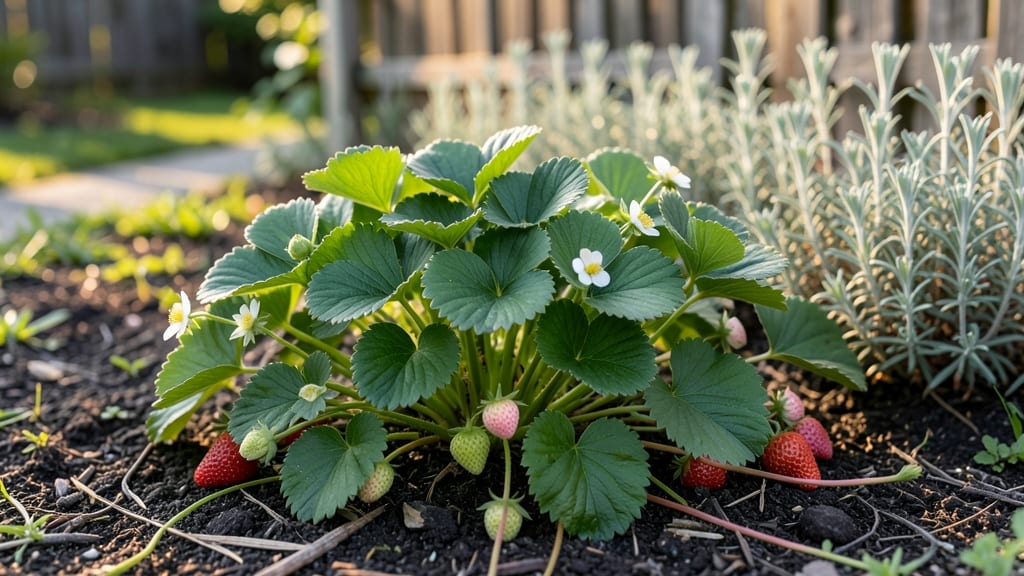
Strawberries to produce fruit takes anywhere from 3 months to a full year, depending on the variety and growing conditions you provide 🍓.
Struggling to wait for your strawberry plants to bear fruit? The timeline can vary dramatically depending on the variety, growing conditions, and care—some produce in as little as 3 months, while others take nearly a year.
June-bearing varieties, for example, often need a full year to establish before fruiting, while everbearing and day-neutral types can reward you with berries in just 60-90 days under ideal conditions.
In this guide, I’ll break down the fastest strawberry varieties, key growth stages, and pro tips to get your plants fruiting sooner—so you can enjoy homegrown berries without the long wait.
Strawberry growth timeline: from seed to first fruit
If you're eager to enjoy homegrown strawberries, understanding the growth timeline is key. Whether you're starting with seedlings or bare-root plants, the journey from planting to your first ripe berry involves distinct stages influenced by temperature, sunlight, and soil quality.
Let’s explore the month-by-month progression so you can set realistic expectations and optimize your garden for faster fruiting.
The timeline for strawberries to produce fruit varies dramatically—some everbearing varieties yield berries in as little as 3 months, while June-bearing types may take up to 12 months. Factors like day-neutral varieties (which produce continuously) or climate conditions (like winter chilling) play a huge role.
For example, planting in spring with proper care can accelerate fruiting by 2-3 months compared to fall planting.
Here’s a quick breakdown of the critical growth stages and how long each typically takes. The table below summarizes the key milestones for both seedlings and bare-root plants, including when to expect runners, flowers, and fruit.
| Stage | Seedlings Timeline | Bare-Root Plants Timeline | Key Actions |
|---|---|---|---|
| Planting | Spring (March-April) | Fall (Sept-Oct) or Spring (March) | Plant crowns at soil level, 12-18" apart |
| Establishment | 4-6 weeks | 6-8 weeks | Water deeply 2-3x/week, mulch to retain moisture |
| Runner Development | 6-8 weeks after planting | 8-10 weeks after planting | Remove runners if focusing on fruit (or save for propagation) |
| Flowering | 8-10 weeks (everbearing) | 10-12 weeks (June-bearing) | Provide 6+ hours of sun daily; fertilize lightly |
| First Fruit | 10-12 weeks (everbearing) | 12-16 weeks (June-bearing) | Harvest when fully red and slightly soft |
| Peak Production | Year-round (day-neutral) | June-July (June-bearing) | Prune old leaves post-harvest; fertilize for next season |
🌱 Note: Timelines shorten in warmer climates (e.g., Zone 8+) and with optimal care.
The first 4-6 weeks after planting are all about root establishment. Strawberries need well-draining soil with a pH of 5.5-6.8 to thrive. If your soil is heavy clay or sandy, amend it with compost or peat moss to improve moisture retention and nutrient availability.
During this phase, focus on consistent watering—avoid letting the soil dry out completely, as this can stress young plants and delay flowering.
Once your strawberries establish roots, they’ll begin producing new leaves and runners. Runners are the long stems that grow outward from the mother plant and form new offspring. While runners are great for expanding your patch, they divert energy from fruit production.
If you’re impatient for berries, consider pinching off runners during the first growing season. This redirects the plant’s energy toward flowering and fruiting instead.
Flowering typically begins 8-12 weeks after planting, depending on the variety and climate. June-bearing strawberries (like 'Jewel') produce a single massive crop in late spring to early summer, while everbearing varieties (like 'Seascape') yield two smaller harvests—one in early summer and another in fall. Day-neutral varieties (like 'Albion') produce fruit continuously throughout the growing season, making them ideal for extended harvests.
Temperature plays a critical role in strawberry fruiting. Most varieties require chilling hours (typically 200-1,000 hours below 45°F) during winter to trigger flowering. If you live in a warm-winter climate (e.g., Zone 9+), opt for day-neutral varieties that
Fastest strawberry varieties for quick harvests (ranked by speed)
If you're eager to taste homegrown strawberries, choosing the right variety is key—some deliver fruit in as little as 3 months, while others take nearly a year. The fastest producers are everbearing and day-neutral types, designed to fruit multiple times per season under ideal conditions.
Let’s explore the top performers and how they stack up for small gardens or large-scale harvests.
Your climate plays a huge role—cooler regions may need varieties that tolerate shorter growing seasons, while warmer zones can push production year-round. For example, 'Albion' thrives in USDA Zones 3-9 and produces fruit in just 4-5 months, making it perfect for impatient gardeners.
Meanwhile, 'Chandler' (a June-bearing type) takes 6-8 months but offers larger, sweeter berries in a single flush.
'Albion' leads the pack for speed, producing fruit in just 4-5 months—ideal for container gardens or small plots where space is limited. It’s a day-neutral variety, meaning it fruits continuously when temperatures stay above 50°F (10°C). For larger gardens, 'Seascape' is a close second, offering high yields and disease resistance, with fruit ready in 5-6 months.
If you’re in a warmer climate (Zones 8-10), 'Oso Grande' is a powerhouse—its giant berries (up to 2 oz each!) appear in 7-9 months and keep producing through fall.
For cooler zones, 'Chandler' delivers large, firm berries in 6-8 months, though its single harvest season means planning ahead for next year’s crop.
Pro tip: Pair fast varieties with successive planting to extend your harvest window. For example, plant 'Albion' in early spring for a summer crop, then again in late summer for a fall harvest.
Mulch heavily with straw or pine needles to protect fruit from soil-borne diseases and keep plants producing longer.
Remember, soil quality and sunlight are non-negotiable—6+ hours of sun and well-draining soil with a pH of 5.5-6.5 will cut your wait time by weeks. With the right variety and care, you could be enjoying homegrown strawberries before your neighbors even see their first blossoms! 🍓