
How To
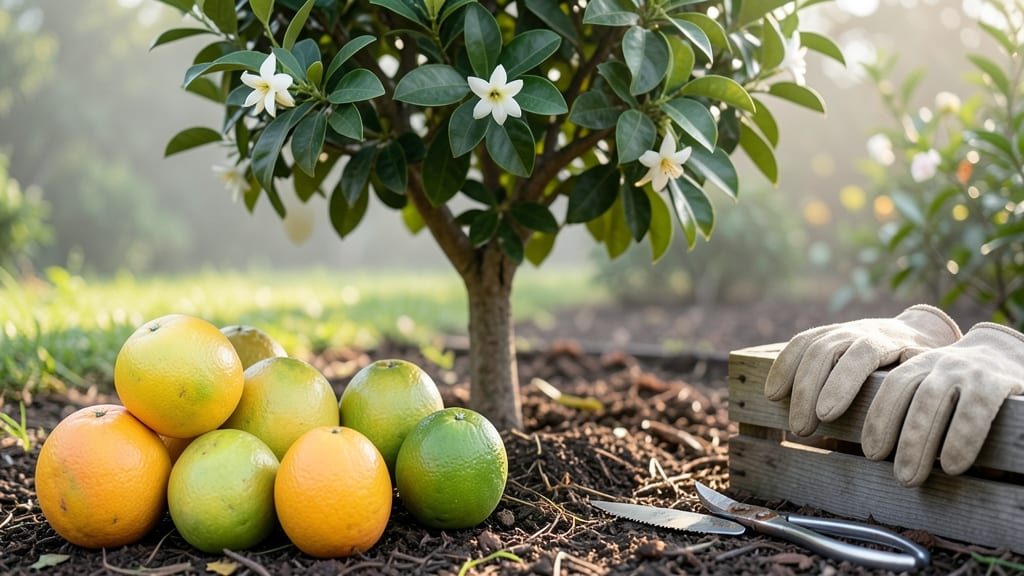
Telling when a grapefruit 🍊 is ripe means checking its color, firmness, and scent—simple tricks that save you from mealy or overly tart fruit.
Picture this: you’ve spent months growing your own grapefruit, and now you’re staring at a tree heavy with fruit, unsure which ones to pick. One wrong choice, and you’re left with fruit that’s either too sour or too seedy.
The good news? With just a few sensory checks, you can tell ripeness like a pro—no guesswork required.
Start with the skin: ripe grapefruit shifts from green to a deep yellow or orange, depending on the variety. Then, give it a gentle squeeze—it should yield slightly but not feel mushy.
Finally, take a sniff: a sweet, citrusy aroma means it’s ready to harvest. These cues work for both store-bought and homegrown grapefruit, so you’ll never overlook a perfect one again.
Below, I’ll break down each step in detail, including how to spot inconsistencies in ripening and when to harvest for peak flavor. No more wasted fruit—just perfectly ripe grapefruits every time.
5 Visual and touch tests to identify ripe grapefruit instantly
Grapefruit ripeness can be tricky—especially when you’re standing in the produce aisle or checking your homegrown tree. Unlike some fruits that soften dramatically, grapefruits stay firm until they’re nearly overripe. That’s why I rely on these 5 sensory tests to avoid mealy or overly tart fruit.
These tricks work for both pink grapefruit and white grapefruit, though color cues differ slightly between varieties.
The key is combining visual clues with physical tests. For example, a grapefruit might look ripe but feel dense inside, or appear perfect on the outside while still tasting bland.
I’ve learned to trust my fingers as much as my eyes—sometimes more. Let’s start with the easiest visual checks before moving to hands-on tests that reveal hidden ripeness.
-
1Color Uniformity: Ripe grapefruits turn a deep yellow-orange (white grapefruit) or pinkish-red blush (pink grapefruit). Avoid fruits with green patches or uneven coloring—these are underripe. Seasonal note: Winter grapefruits often stay slightly green but ripen fully at room temperature.
-
2Peel Texture: Gently rub the skin with your thumb. Ripe grapefruit peels feel smooth but slightly waxy, not bumpy or rough. A dull, matte finish (vs. shiny) is another sign of ripeness. Overripe fruits may develop a slightly leathery texture.
-
3Weight Test: Hold the grapefruit in your palm—ripe ones feel heavy for their size due to high water content. Tap two fruits together: the riper one will produce a deeper, hollow sound. Lightweight grapefruits are often underripe or dehydrated.
-
4Stem Check: Twist the stem gently—it should separate cleanly from the fruit without tearing. A stubborn stem means the grapefruit is underripe. If the stem comes off easily but leaves a dry, brown spot, the fruit is overripe.
-
5Firmness Test: Press your thumb into the grapefruit’s blush end (the side opposite the stem). It should yield slightly (like a ripe avocado) but not feel mushy. If it springs back immediately, it’s underripe. If it leaves a dent, it’s overripe.
Pro tip: Combine these tests for accuracy. For example, a grapefruit might pass the color test but fail the firmness test—this means it’s not fully ripe yet.
I’ve found that pink grapefruits often ripen faster than white varieties, so they may pass the color test earlier but need the firmness check to confirm.
Seasonal variations matter too. In cooler months (November–February), grapefruits from Florida or California may still have green shoulders but ripen at room temperature in 3–5 days.
For homegrown trees in USDA zones 9b–11, harvest in late winter to early spring when days warm up—this aligns with the fruit’s natural ripening cycle.
One mistake I used to make was assuming all grapefruits ripen the same way. Ruby Red varieties, for instance, develop a deeper pink blush when ripe, while Marsh grapefruits stay more yellow. Pay attention to your specific variety’s color cues—this makes all the difference in picking the perfect fruit.
For home gardeners, these tests are even more critical. Store-bought grapefruits are often picked early and gassed with ethylene to ripen uniformly, but homegrown fruit ripens asynchronously. That means one grapefruit on your tree might be ready while another needs weeks more.
I recommend harvesting a few at a time and letting them ripen indoors for consistent flavor.
Remember: The blush end (near the stem) is where ripeness shows first. If this area is dull and slightly soft, the rest of the fruit will follow in 1–2 days.
For storage, place grapefruits in a paper bag with a banana or apple to speed up ripening using natural ethylene gas.
Finally, trust your senses—if a grapefruit passes 4 out of 5 tests but still feels “off,” it probably is. My rule of thumb: When in doubt, let it ripen another day or two.
A perfectly ripe grapefruit should smell sweetly citrusy (not sour) and feel just firm enough to resist a gentle squeeze. Now you’re ready to pick the juiciest, sweetest grapefruits every time! 🌱🍊
Smell, sound, and squeeze: advanced ripeness indicators for home gardeners
When you're dealing with homegrown grapefruits or organic varieties from specialty markets, standard ripeness cues like uniform color can be misleading. That's where your senses come in.
I've learned to rely on three advanced indicators—aroma, gentle pressure tests, and even the sound of the fruit—to pinpoint the perfect moment to harvest or purchase.
Store-bought grapefruits often arrive at peak ripeness, but homegrown fruit can vary widely depending on your climate and tree's maturity. These sensory methods help me avoid both underripe (sour, seedy) and overripe (mealy, dry) fruit. Let's explore how to use these subtle clues like a pro.
⚠️ Warning: Overripe Grapefruit Traps
Don't rely solely on color—some varieties stay green even when ripe! Never pick fruit that feels mushy or has soft spots, as this indicates rot. The stem test is critical: if it snaps cleanly with slight resistance, the fruit is ready; if it pulls out easily or tears, it's past its prime.
A ripe grapefruit should emit a sweet, citrusy aroma when you bring it close to your nose. Think of it like the fragrance of a mature orange—bright and inviting. If you detect no scent or only a faint, green note, the fruit needs more time.
Pro tip: Pink grapefruits often have a more pronounced berry-like scent when fully ripe, while white varieties lean toward classic citrus.
Now for the squeeze test: Gently press the grapefruit with your fingers. A ripe one will yield slightly, like pressing a ripe avocado, but won't feel mushy. If it feels rock-hard, it's underripe; if it gives too easily or leaves an indentation, it's overripe.
This test works best when the fruit is at room temperature, as cold fruit can feel firmer than it is.
Here's a trick I learned from a Florida citrus grower: tap the grapefruit lightly with your knuckles. A ripe one produces a deep, hollow sound, almost like a drum.
Underripe fruit sounds dull, while overripe fruit may produce a flat or muted thud. This method works surprisingly well, especially for homegrown fruit where ripeness can vary across the tree.
Combine these methods for the most accurate results. For example, if a grapefruit passes the aroma test but fails the sound test, it's likely still firming up.
Conversely, if it smells perfect but feels too soft, it may have been picked too early. Pink grapefruits often ripen more quickly than white varieties, so check them a day earlier.
Remember, these techniques work best when applied consistently across multiple fruits. A single grapefruit might be an outlier, but when 80% of your harvest passes these tests, you're ready to enjoy your peak-flavor citrus. Happy harvesting! 🍊