
Aphids
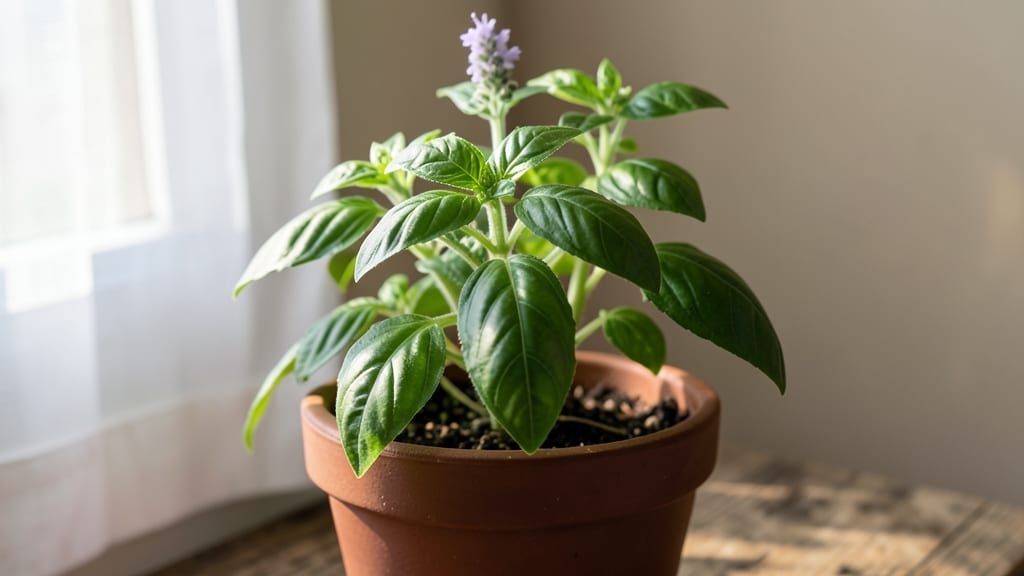
Basil is not a fruit—it’s an aromatic herb classified as a tender perennial in the mint family (Lamiaceae), grown annually for its leaves in culinary and gardening uses. Botanically, it produces small white flowers and seeds, but its edible parts are leaves and stems, not fruit-bearing structures like tomatoes or peppers.
Basil is often mistaken for a fruit because of its vibrant green leaves, but its botanical classification tells a different story. 🌱 As an herb, it belongs to the mint family and produces flowers—not the fleshy, seed-containing structures that define fruits.
The confusion likely stems from its culinary uses, where it’s treated as a leafy green, but botanists categorize it based on reproductive parts, not how we eat it.
What makes this distinction important is how we use basil in cooking. While fruits like tomatoes are harvested for their mature ovaries, basil’s value lies entirely in its aromatic leaves and tender stems.
This herb’s flavor profile—peppery, sweet, and complex—is what chefs rely on to elevate dishes from pesto to Thai curries. The key takeaway? Basil is a leafy green powerhouse, not a fruit, and understanding this helps gardeners and cooks use it correctly.
For example, when making pesto, you’d never pick the flowers or seeds—just the fresh leaves. This practical difference highlights why botanical classification matters beyond just naming conventions. 💫
💡 In This Article
- Botanical Classification: Why Basil Isn’t a Fruit
- Culinary Uses of Basil: Beyond the Fruit Misconception
Botanical classification: why basil isn’t a fruit
Basil belongs to the mint family (Lamiaceae), which includes over 7,000 species—but its classification as an herb stems from its edible leaves and stems, not its reproductive structures.
True fruits develop from a plant's ovary after fertilization, like tomatoes or peppers, which form from the swollen ovary wall (pericarp) containing seeds.
Basil, however, produces small white flowers that develop into seeds without forming a fleshy fruit structure. 🌸 The confusion arises because we harvest basil's leaves, not its flowers or seeds, which are the botanical indicators for fruit classification.
The mint family's plants are characterized by square stems, opposite leaves, and two-lipped flowers—features that distinguish them from fruit-bearing plants. Basil's flowers, while edible in small amounts, are not the focus of culinary use.
Instead, its aromatic leaves contain volatile oils like eugenol and linalool, which give it that signature sweet-peppery flavor. These compounds are concentrated in the leaves, not in any fruit-like structure.
For comparison, a tomato's fruit develops from its ovary, while basil's "fruit" is just its tiny seeds encased in a dry calyx.
What makes this distinction critical is how plants reproduce and store nutrients. Fruits like tomatoes evolved to protect seeds and attract animals for dispersal, while basil's seeds rely on wind or manual harvesting.
The plant invests its energy in leaf growth to maximize photosynthesis—explaining why basil leaves are so flavorful and tender. This botanical reality is why gardeners harvest leaves continuously, never waiting for fruit-like structures to develop. 🌿 The plant's entire purpose is leaf production, not seed dispersal through fleshy fruits.
Scientifically, the International Code of Nomenclature for algae, fungi, and plants (ICN) classifies plants based on their reproductive parts. Basil's flowers and seeds don't meet the criteria for fruit classification because they lack a mature ovary wall that develops into a fleshy pericarp.
Instead, it's classified as an herbaceous plant—specifically a tender perennial, though often grown as an annual in cooler climates. This explains why basil doesn't produce anything resembling a tomato or pepper when grown in home gardens.
Consider this practical example: When you see basil in a grocery store, you're looking at leaves and stems—never the flowers or seeds. Even if you planted basil seeds, the resulting plant would still focus on leaf production, not fruit development.
This is why botanists and chefs agree: basil's culinary value lies entirely in its leaves, not in any fruit-like structure. The plant's entire growth strategy revolves around maximizing leaf surface area for photosynthesis, not seed protection through fleshy fruits. 💚
Interestingly, some plants blur the lines between herbs and fruits. For instance, cilantro's seeds are harvested as "coriander," but the leaves are used as an herb. Basil, however, never develops anything edible beyond its leaves and flowers.
This clear distinction helps explain why basil is universally classified as an herb, despite its vibrant green appearance that might suggest otherwise. The botanical rules are clear: fruit requires a mature ovary, and basil simply doesn't meet that criterion. 🌱