
Fertilization
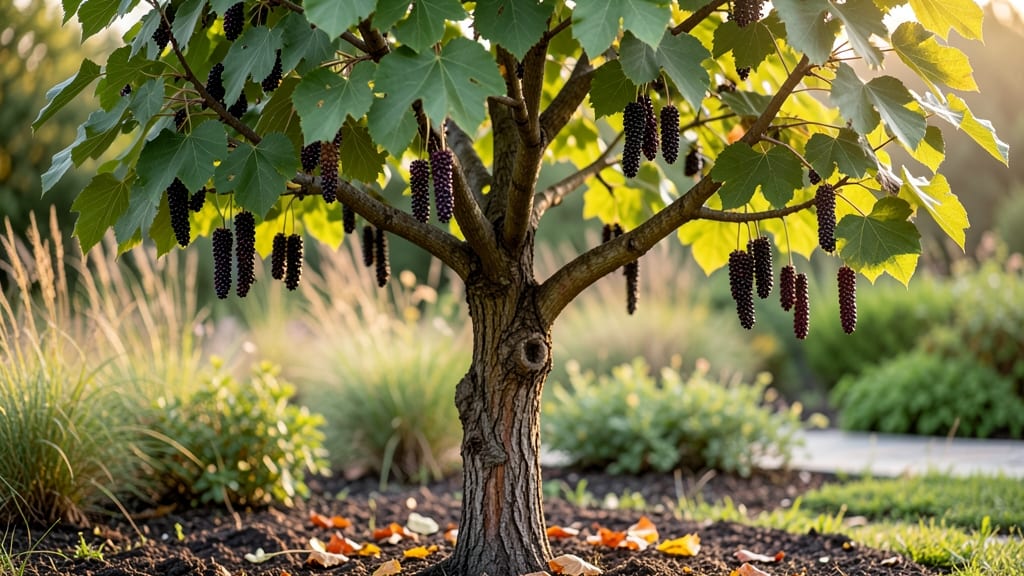
Mulberry is botanically classified as a fruit because it develops from the ovary of a flowering plant and contains seeds. However, its classification in culinary contexts varies, often treated as a berry or superfood due to its nutritional profile and small, clustered appearance.
Botanically speaking, mulberry fits the definition of a fruit because it grows from the ovary of a flowering plant and contains seeds within its flesh. Unlike berries, which are a specific type of fruit, mulberries are often grouped with them in everyday language due to their small size and sweet taste. 💫 The confusion arises because many people associate "berries" with any small, round, seed-containing fruit—even though botanically, only certain fruits (like blueberries or strawberries) qualify.
What's fascinating is how this classification impacts how we use mulberries in cooking and nutrition.
In the kitchen, mulberries are frequently used like berries—whether in jams, smoothies, or desserts—thanks to their vibrant color and natural sweetness. Their high antioxidant content and fiber make them a popular choice for health-conscious recipes. Gardeners often grow mulberry trees for their dual benefits: fresh fruit and shade.
The key takeaway? While science classifies mulberries as fruits, their culinary versatility lets them shine in berry-like roles.
💡 In This Article
- Botanical Classification: Why Mulberry Is Technically a Fruit
- Culinary and Nutritional Uses of Mulberry as a Superfood
Botanical classification: why mulberry is technically a fruit
Mulberries develop from the ovary of mulberry trees (Morus genus), which means they meet the botanical definition of a fruit: a mature ovary containing seeds. Each mulberry is actually an aggregate fruit formed from multiple tiny flowers clustered together on the same stem.
This is similar to how raspberries or blackberries form, but mulberries have a distinct fleshy texture and larger size—typically 1-2 centimeters in diameter—when fully ripe.
The confusion with berries stems from their small, clustered appearance and sweet taste, but botanically, only fruits that develop from a single ovary (like blueberries) are true berries. Mulberries, however, are classified as drupes or aggregate fruits because they form from multiple ovaries fused together.
Their seeds are embedded in the flesh rather than contained in a hard pit, which differentiates them from stone fruits like peaches or cherries. 💫
What makes mulberries unique is their juicy, translucent flesh that surrounds the tiny seeds, giving them a texture between a berry and a stone fruit.
When you bite into a ripe mulberry, you’ll notice how the flesh breaks down easily, releasing a burst of sweetness with a slight tartness—unlike the fibrous texture of true berries. This structure is why they’re often called "berries" in everyday language, even though they don’t fit the strict botanical definition.
Culinarily, this classification doesn’t matter much since mulberries are used like berries in recipes. However, understanding the science helps explain why they behave differently in cooking.
For example, their high moisture content (about 85% water) makes them ideal for jams and syrups, where they soften and release flavors more easily than firmer fruits. Their seeds also remain intact during cooking, adding a subtle crunch that’s absent in true berries.
One interesting exception is the white mulberry (Morus alba), which has a thicker skin and less vibrant color than the red or black varieties. Despite these differences, all mulberries share the same botanical classification because their internal structure—ovary-derived with embedded seeds—remains consistent.
This uniformity is why they’re grouped together in both scientific and culinary contexts.
So while mulberries might be called "berries" in the kitchen, their botanical roots firmly place them in the fruit family. The key takeaway? Classification is about structure, not taste or appearance—and mulberries prove that science and culinary creativity can happily coexist. 🌱