
Diseases
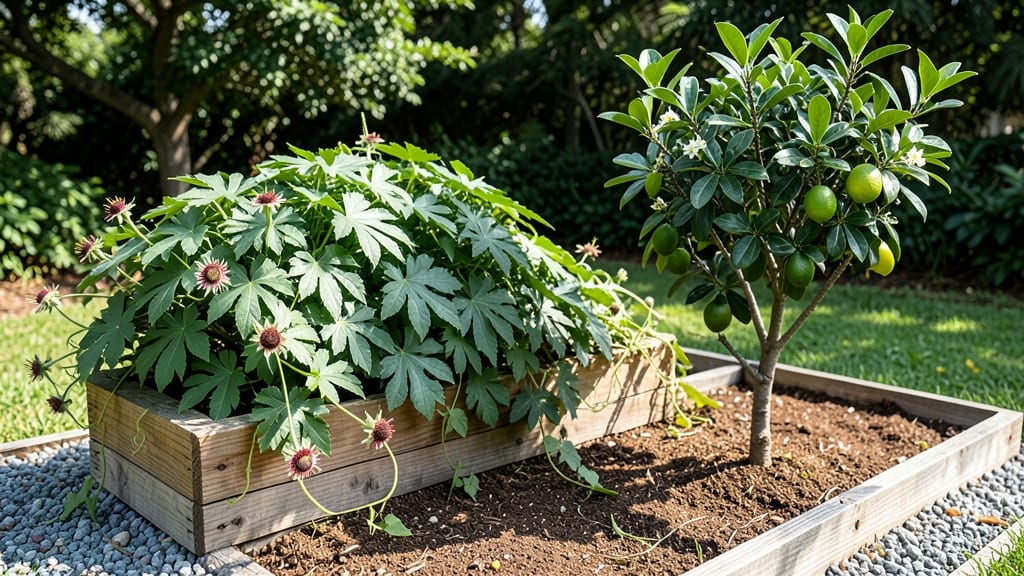
Passionfruit is not citrus—it belongs to the Passifloraceae family, known for its tropical fruit and floral structure rather than the Rutaceae family where citrus fruits like oranges and lemons reside. Their distinct flavor, combining tart and sweet notes, also sets them apart from citrus varieties.
This distinction matters because passionfruit and citrus plants come from completely different botanical families, each with unique characteristics. 🌿 The Passifloraceae family features intricate, star-shaped flowers with many petals, while citrus fruits belong to the Rutaceae family, known for their simple, white or pink blossoms.
Even their growth habits differ—passionfruit vines climb aggressively, while citrus trees grow as compact shrubs or small trees.
For gardeners, understanding this difference is key to providing the right care. Passionfruit thrives in warm climates with high humidity, while citrus prefers well-draining soil and regular pruning to maintain shape.
Their pest management needs also vary—citrus trees often battle aphids and scale insects, while passionfruit vines may face spider mites or fruit flies. Knowing these distinctions helps create ideal growing conditions for each plant type.
💡 In This Article
- Botanical Classification: Passionfruit vs Citrus Families
- Growing Passionfruit vs Citrus: Key Differences for Gardeners
Botanical classification: passionfruit vs citrus families
The key difference between passionfruit and citrus lies in their botanical families: Passifloraceae for passionfruit and Rutaceae for citrus. 🌸 Passionfruit flowers are complex, featuring five petals arranged in a star shape with a central corona of thread-like filaments, while citrus flowers have simple, five-petaled structures with no corona.
This floral architecture reflects their evolutionary paths—Passifloraceae plants developed intricate pollination mechanisms, while Rutaceae focused on simpler, more efficient blooms.
Genetically, these families diverged millions of years ago.
Passionfruit's Passifloraceae family contains over 500 species, including edible varieties like yellow and purple passionfruit, while Rutaceae includes about 160 genera with citrus being the most economically important. 🌿 The leaf morphology also differs: passionfruit leaves are typically lobed or deeply veined, while citrus leaves are smooth-edged with prominent oil glands that give them their characteristic aroma.
These botanical markers make identification straightforward for plant enthusiasts.
What's fascinating is how these differences translate to flavor chemistry. Passionfruit contains high levels of volatile compounds like nootkatone (also found in grapefruit) and terpenes, creating its signature tart-sweet profile.
Citrus, meanwhile, relies on limonene and other terpenes for its bright, acidic taste. 🍋 The pH levels also vary—passionfruit pulp typically measures between 2.8-3.5, while citrus juices range from 2.0-4.0, explaining why passionfruit's acidity feels more balanced and less overwhelming.
For those curious about propagation, these distinctions matter too. Passionfruit spreads via seeds or cuttings, producing vigorous vines, while citrus reproduces through grafting to preserve specific varieties. The root systems differ dramatically—passionfruit develops extensive, shallow roots ideal for climbing, while citrus forms deep taproots for stability.
These structural differences influence how each plant responds to environmental stresses like drought or wind.
Even the fruit's internal structure reveals their botanical divide.
Passionfruit contains numerous small, hard seeds embedded in a gelatinous pulp, while citrus fruits have larger, segmented sections with juicy sacs. 🌱 This seed arrangement reflects their pollination strategies—passionfruit relies on birds and bats, while citrus depends on bees and other insects.
Understanding these botanical underpinnings helps gardeners provide the right conditions for each plant type to thrive.