
Pruning
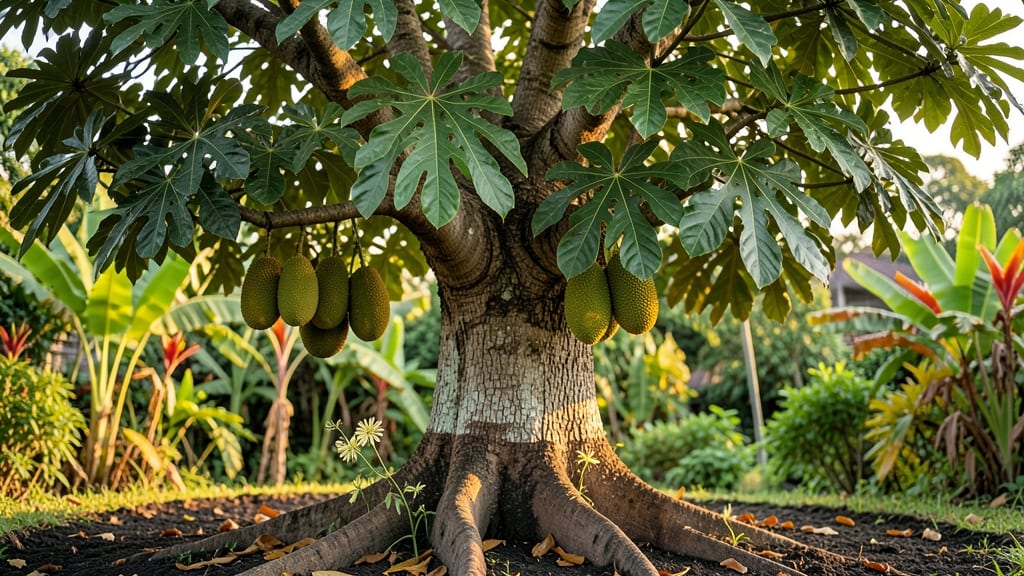
A jackfruit tree’s size can grow to over 100 feet tall—that’s taller than your house—making it one of the most impressive tropical trees you can cultivate.
If you're dreaming of growing a jackfruit tree but worried about space, you're not alone—this tropical giant can reach heights that will surprise even seasoned gardeners.
In just three years, a young jackfruit tree can shoot up to 50 feet, and without proper care, it will easily outgrow most home gardens. But with the right pruning and spacing, you can manage its growth and still enjoy its delicious fruit.
Below, I’ll walk you through how to plan for its massive size, the best ways to control its growth, and even how to grow it in smaller spaces—so you don’t have to sacrifice your dream tree for a tiny yard.


How tall does a jackfruit tree grow? Mature size and growth rate explained
If you're dreaming of growing a jackfruit tree in your backyard, understanding its mature size is the first step to planning your garden layout. These tropical giants can reach heights that will make even the tallest oak trees look small.
On average, a standard jackfruit tree grows between 50 to 100 feet tall, with some varieties exceeding 100 feet in ideal conditions. That’s taller than a 3-story building!
But don’t let the height scare you off—this fast-growing tree starts small and develops gradually. In its first year, your jackfruit seedling will grow to about 5 to 10 feet tall. By year two, it can double in height, reaching 15 to 25 feet.
The real growth spurt happens in years three to five, where it can add up to 3 feet per year if given the right care.
Here’s a quick look at what to expect at each stage of growth, from seedling to mature tree:
| Growth Stage | Height Range | Growth Rate | Time to Reach |
|---|---|---|---|
| Seedling | 1-3 feet | Slow (6-12 inches/year) | First year |
| Juvenile | 10-30 feet | Moderate (2-3 feet/year) | Years 2-5 |
| Mature | 50-100+ feet | Slow (1-2 feet/year) | Years 10+ |
| Canopy Spread | 30-50 feet wide | N/A | Mature stage |
The growth rate of a jackfruit tree depends heavily on its environment. In ideal conditions—full sun, well-draining soil, and consistent watering—you can expect rapid growth during the first decade. However, if your tree is planted in cooler climates or poor soil, its growth may slow significantly.
For example, in USDA zones 10-11, where jackfruit thrives, trees can reach mature height in as little as 10 years.
One of the most impressive aspects of the jackfruit tree is its canopy spread. While the height steals the show, the tree’s width can reach 30 to 50 feet at maturity. This means you’ll need a large yard or thoughtful planning to accommodate both the height and spread.
If you’re considering planting one in a smaller space, you’ll need to explore container growing or pruning techniques to manage its size.
For those in urban areas or with limited space, it’s worth noting that there are no true dwarf varieties of jackfruit trees. However, you can still grow them in large containers (at least 20-gallon pots) and prune them regularly to keep their height and spread in check.
Just be prepared for slower growth and potentially smaller fruit yields compared to their full-sized counterparts.
If you’re wondering how to estimate your jackfruit tree’s growth, pay attention to its leaves and branches. Healthy, vibrant leaves and new growth each year are signs that your tree is thriving and growing as expected.
In contrast, stunted growth or yellowing leaves may indicate nutrient deficiencies, pests, or poor drainage. Addressing these issues early can help your tree reach its full potential height and size.
Another factor that influences the height of a jackfruit tree is its pruning history. Regular pruning can help shape the tree and encourage a more manageable size, but it won’t drastically reduce its height.
Pruning is best used to remove dead branches, thin out dense foliage, and promote airflow, which can indirectly support healthier growth. Just avoid over-pruning, as this can stress the tree and slow its development.
If you’re planning to grow a jackfruit tree, start by choosing the right location. These trees need full sun exposure (at least 6 hours of direct sunlight daily) and plenty of space to grow.
In a backyard setting, aim for a spot that’s at least 30 feet away from structures, power lines, and other trees. This gives your tree room to spread its branches and roots without competing for resources.
For those in cooler climates, consider growing your jackfruit tree in a large container that you can move indoors during winter. While this won’t stop the tree from growing tall, it will allow you to control its environment and protect it from frost. Just remember that container-grown
Space requirements for growing jackfruit trees: minimum yard size by variety
When planning to grow a jackfruit tree, space becomes your biggest challenge—these tropical giants need room to thrive. Standard varieties can reach 50-100 feet tall with a 20-30 foot spread, making them unsuitable for small urban yards.
However, understanding your yard size requirements and exploring alternatives can help you decide if this fruit-bearing giant is right for your space.
Most jackfruit trees don’t come in true dwarf varieties, but some grafted or semi-dwarf types exist that stay slightly smaller. Even these may still require 20-30 feet of height clearance and ample root space.
For urban gardeners, container growing or espalier techniques can be game-changers, but they come with trade-offs like slower growth and reduced fruit production.
Before planting, measure your yard’s available space and consider nearby structures. A jackfruit tree’s root spread can extend up to 2-3 times its canopy width, so planting too close to sidewalks or foundations risks damage.
If your yard is less than 30 feet wide, containers or espalier might be your only options.
| Variety | Mature Height | Canopy Spread | Root Spread | Best For |
|---|---|---|---|---|
| Standard (e.g., 'Golden Phul') | 50-100 ft | 20-30 ft | 40-60 ft | Large rural properties |
| Semi-Dwarf (grafted) | 20-30 ft | 10-15 ft | 20-30 ft | Medium yards, containers |
| Container-Grown | 10-15 ft (pruned) | 5-8 ft | 10-15 ft (root-bound) | Urban patios, balconies |
| Espaliered | 8-12 ft (trained) | 3-5 ft (width) | 10-12 ft (root spread) | Small yards, fences |
For urban gardeners, container growing is a practical solution, but your pot size matters. A mature jackfruit tree in a container needs at least a 24-inch diameter pot to accommodate its roots.
However, expect slower growth and smaller fruit yields compared to in-ground planting. If you’re using containers, choose a fast-draining mix with perlite or sand to prevent root rot.
Espalier techniques can transform a jackfruit tree into a space-saving wall feature. By training the tree to grow flat against a fence or trellis, you can reduce its horizontal spread by 70%.
Start training young trees by guiding branches along wires or stakes. This method works best with semi-dwarf varieties and requires regular pruning to maintain the desired shape.
No matter your approach, always consider your local climate. Jackfruit trees thrive in USDA Zones 10-11 and need protection from frost. If you’re in a cooler zone, container growing lets you move the tree indoors during winter months.
Just remember: root space is non-negotiable—even in containers, roots need room to expand.