
Fertilization
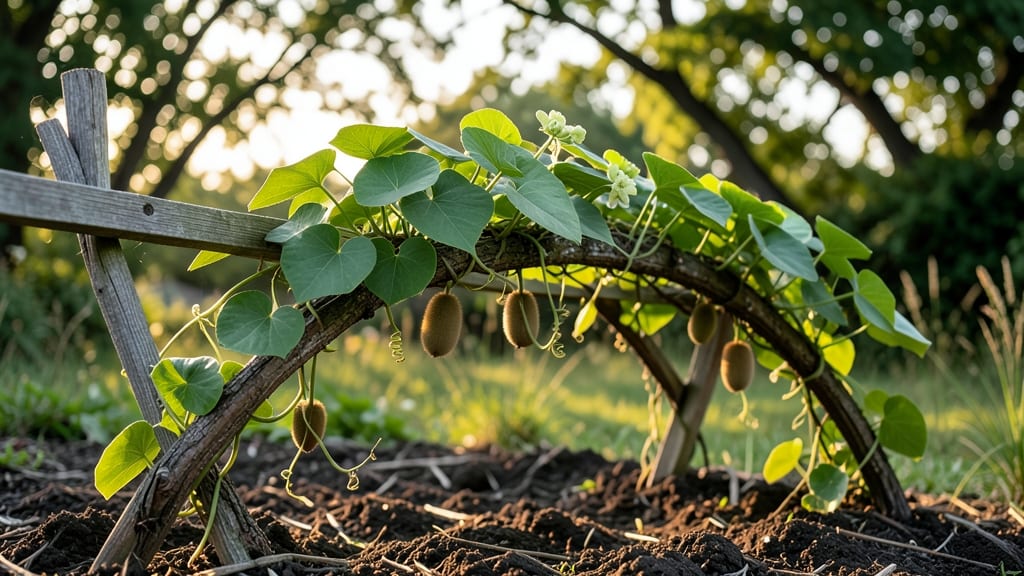
This fuzzy-skinned, vibrant green fruit is a type of kiwi fruit, and it's a berry botanically, belonging to the Actinidia genus and the Actinidiaceae family, despite its culinary classification as a fruit with hard, fuzzy skin and sweet flesh. Its true berry status stems from its single seed cavity and fleshy pericarp, unlike common berries like strawberries or raspberries.
This botanical classification might surprise you because kiwi fruit doesn't look or act like what most people picture when they hear "berry." 🌱 The key difference lies in its reproductive structure—kiwi fruit develops from a single ovary with one seed chamber, which is the defining trait of true berries.
Unlike strawberries (which are technically aggregates of many small fruits) or blackberries (which form from multiple ovaries), kiwi fruit fits the botanical definition perfectly. What's fascinating is how its fuzzy exterior and sweet interior have led to culinary confusion, even though its scientific classification remains clear.
The Actinidia genus, which includes kiwi fruit, produces vines that can grow up to 30 feet long, with separate male and female plants required for pollination.
This dioecious nature means you'll need both types in your garden to get fruit. 🍃 The hard, fuzzy skin isn't just for show—it protects the vitamin-rich flesh inside while the plant climbs and grows, demonstrating how form follows function in nature's design.
💡 In This Article
- Botanical Classification of Kiwi Fruit
- Growing Kiwi Vines for Home Gardens
Botanical classification of kiwi fruit
The confusion around kiwi fruit's classification starts with how botanists define "berry." Scientifically, a true berry develops from a single ovary with one seed chamber and has a fleshy pericarp (the fruit wall). Kiwi fruit fits this perfectly—its single seed cavity and fleshy interior are textbook berry traits.
The Actinidia genus, which includes kiwi, produces fruits that meet these criteria, even though their fuzzy exterior makes them look more like exotic vegetables than berries. 🌱
What makes kiwi unique is its pericarp structure: the outer skin is technically part of the fruit's protective layer, but it's not edible like a tomato's skin. Inside, the flesh is derived from the ovary wall, which is why it's classified as a berry despite its unusual texture.
Compare this to strawberries, which are actually "aggregate fruits" (formed from many small fruits), or raspberries (which develop from multiple ovaries)—kiwi's single-seeded simplicity places it firmly in the berry category.
The Actinidia deliciosa species, the most common kiwi variety, produces fruits with 1,000-2,000 tiny black seeds embedded in its flesh, all contained within that single seed cavity. These seeds are viable and can sprout if planted, proving the fruit's reproductive structure aligns with botanical berry definitions.
The fuzzy brown skin isn't part of the pericarp's edible portion but serves as a protective barrier against pests and environmental damage during growth.
Here's where culinary confusion enters: chefs and home cooks often categorize fruits based on taste and texture rather than botanical science. Kiwi's sweet-tart flavor and juicy texture make it behave like a dessert fruit in cooking, while its hard skin makes it feel more like a vegetable.
This duality is why you'll hear kiwi described as a "fruit" in everyday language but classified as a berry in botanical terms—a perfect example of how common usage diverges from scientific classification. 💡
Another key distinction lies in the Actinidia genus's growth habits. Kiwi vines are dioecious, meaning male and female plants must grow nearby for pollination to occur. This trait affects fruit production but doesn't change the botanical classification of the fruit itself.
The climbing vine structure also influences how kiwi fruits develop—each fruit grows from a single flower's ovary, reinforcing its berry status through its reproductive biology.
For practical application, understanding this classification matters when discussing nutrition or growing kiwi plants. The berry status means kiwi contains high levels of vitamin C (similar to citrus fruits) and antioxidants found in other berries, despite its unique appearance.
The single-seeded structure also affects how the fruit ripens internally, with the flesh developing uniformly around the central seed mass. 🍈