
Pruning
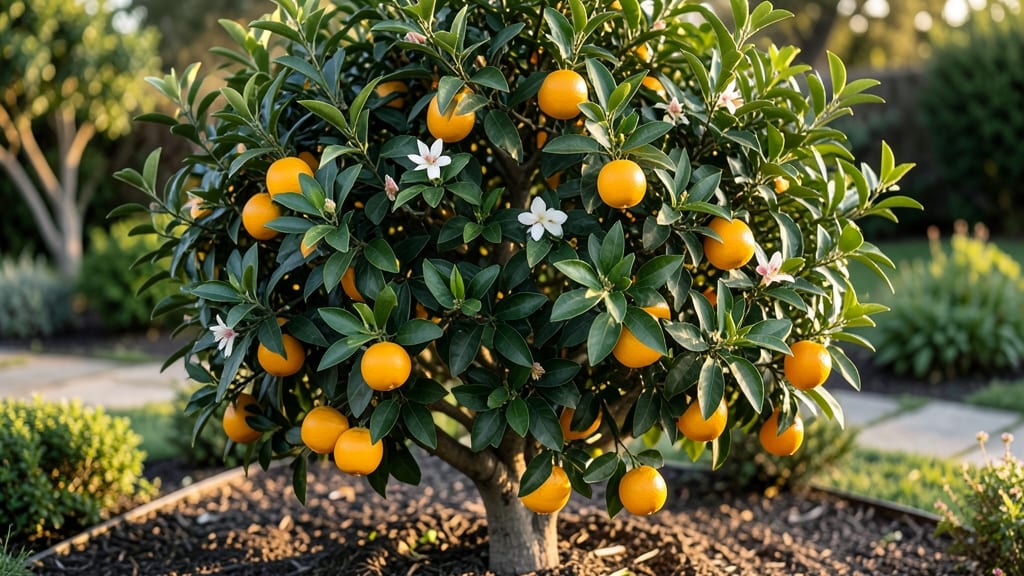
Growing a mandarin fruit tree indoors means sweet, juicy fruit year-round—no frost, no pests, just sunshine and patience. 🌱 I’ve watched my tree go from a bare branch to a heavy-laden branch in just two years, and the secret isn’t complicated: it’s about light, warmth, and a little extra care during winter months.
The first harvest was worth every late-night watering session.
Mandarins thrive in USDA Zones 9-11 outdoors, but with a sunny window, grow lights, and a heat mat, you can grow one anywhere. They need well-draining soil (think cactus mix with perlite) and a pot with drainage holes—root rot is the silent killer of indoor citrus.
Water when the top inch of soil feels dry, but never let them sit in soggy soil. Overwatering kills faster than underwatering.
Pruning isn’t just about shaping—it’s about airflow and fruit quality. Cut back leggy branches in early spring to encourage bushier growth, and thin overcrowded fruit clusters so each mandarin gets room to sweeten.
My tree now produces 20-30 fruit per season, and they’re sweeter than any grocery store variety. The key? Prune right after harvest to prep for next year’s crop.
Frost sensitivity is the biggest challenge, but a heat lamp or moving the tree near a warm wall in winter solves that. Pollination? Hand-pollinate with a small brush if you want fruit—self-pollinating varieties like ‘Clementine’ are easier for beginners.
With these tricks, you’ll have mandarins 12 months a year, not just in late fall.
📚 In This Guide
- What you need
- Instructions
- Tips and common mistakes
- Wrapping up and next steps
What you need
- ● Mandarin tree: Choose a cold-hardy variety like Citrus reticulata (e.g., 'Dancy' or 'Murcott') from a nursery. Opt for a 1- to 3-year-old sapling for best results.
- ● Potting soil: 10-20 gallons of well-draining citrus mix (or 60% potting soil + 40% perlite/sand for DIY blends).
- ● Container (if potted): A 15- to 25-gallon pot with drainage holes (or in-ground planting in USDA Zones 8-11).
- ● Fertilizer: Citrus-specific granular or liquid fertilizer (e.g., 6-6-6 NPK ratio) or organic options like composted manure.
- ● Pruning tools: Bypass pruners (for clean cuts on 1/4-inch branches)
- ● Loppers (for 1/2- to 1-inch branches)
- ● Hand saw (for thicker branches)
- ● Disinfectant: 70% rubbing alcohol or bleach solution (1 part bleach to 9 parts water) to sterilize tools.
- ● Mulch: 2-3 inches of wood chips or straw to retain moisture and regulate soil temp.
- ● Drip irrigation system: For consistent watering (especially in hot climates).
- ● Citrus food: Micronutrients like zinc or iron (mandarins are prone to deficiencies!)
- ● Frost cloth: For Zone 7 or colder—wrap trees when temps drop below 28°F (-2°C).
- ● Pollination aid: A small paintbrush to hand-pollinate flowers if bees are scarce.
Step-by-step instructions for planting and caring for a mandarin fruit tree
Here's how to establish your citrus tree for abundant harvests—year after year.
🪴 Step 1: Select the Right Location and Prepare the Soil
Mandarin trees thrive in full sun with at least 6-8 hours of direct sunlight daily. Choose a spot sheltered from cold winds, as citrus is sensitive to temperatures below 20°F. The soil should drain well—citrus roots rot quickly in soggy conditions. If your native soil is heavy clay, amend it with 2-3 inches of organic matter like compost or aged manure before planting.
Dig a hole twice as wide as the root ball but only as deep. This encourages roots to spread horizontally rather than settling too deep. Gently loosen the roots if they appear circling or compacted. The top of the root ball should sit 1-2 inches above ground level—this prevents waterlogging during heavy rains.
☀️ Step 2: Plant and Establish Proper Watering
Place the tree in the hole and backfill with native soil mixed with a balanced citrus fertilizer (10-10-10 or similar). Water deeply immediately after planting to eliminate air pockets. For the first 2-3 weeks, water every 2-3 days until the soil is 6-8 inches deep and evenly moist. After that, reduce to once a week unless your region experiences extreme heat or drought.
Here's the thing—citrus trees hate soggy feet but also can't tolerate drought. You'll know your watering is right when the top 2 inches of soil feel dry to the touch. Mulch with 2-3 inches of wood chips or straw to retain moisture and regulate soil temperature. Keep mulch 3-4 inches away from the trunk to prevent rot.
✂️ Step 3: Prune for Shape and Fruit Production
Prune your mandarin tree in late winter or early spring before new growth begins. Remove any dead, diseased, or crossing branches first. Then, shape the tree by cutting back 1/3 of the current season's growth to encourage bushier growth. Avoid heavy pruning—citrus trees fruit on older wood, so aggressive cuts reduce harvest potential.
Watch for suckers (shoots growing from the base or roots)—remove them immediately. These compete with the main tree for nutrients. Thin out crowded fruit when they're 1-2 inches in diameter to improve size and quality. Real talk: I learned the hard way that overcrowded fruit leads to small, bitter mandarins. Leave 6-8 inches between fruits on mature trees.
🌱 Step 4: Fertilize and Protect Through the Seasons
Feed your tree every 2 months during the growing season (spring through fall) with a citrus-specific fertilizer. In winter, reduce feeding to every 3 months or stop entirely if temperatures drop below 50°F. Citrus trees are heavy feeders, but too much nitrogen leads to leafy growth at the expense of fruit. Follow package instructions closely—over-fertilizing burns roots.
Protect young trees from frost with burlap wraps or frost cloth when temperatures dip below 30°F. Mature trees handle brief cold snaps better but still benefit from 3-4 inches of mulch in winter. Watch for pests like aphids or scale insects—treat early with neem oil or insecticidal soap to avoid systemic damage. Healthy trees develop a thick, leathery leaf texture and produce fragrant blossoms in spring.
🍊 Step 5: Harvest and Encourage Year-Round Fruit
Mandarins ripen in late fall to early winter, but with the right care, you can extend your harvest. Pick fruit when it's bright orange and slightly soft to the touch. Don't wait for it to detach naturally—this prevents splitting and ensures peak flavor. Harvest in the morning when temperatures are coolest to preserve sweetness.
To encourage continuous fruiting, remove 50% of the fruit after the first harvest. This prevents the tree from becoming overburdened and ensures larger, sweeter mandarins next season. Store harvested fruit in a cool, dry place (around 50-55°F) for up to 2 weeks. For a year-round supply, plant a second tree with a slightly later blooming variety—this staggers your harvest and keeps your kitchen stocked.
Tips & tricks for perfect mandarin fruit tree care
Citrus trees reward patience with bountiful harvests—here's how to avoid the pitfalls that sabotage even the most well-intentioned gardeners.
Sunlight Strategy: Those 6-8 hours of direct sunlight are non-negotiable, but here's what I learned the hard way: partial shade from afternoon sun (especially in hot climates) prevents leaf scorch while still allowing fruit to ripen. If your location gets intense midday sun, consider a lightweight shade cloth 30-50% opacity during peak hours—this keeps leaves healthy without sacrificing fruit production.
Root Ball Positioning: The 1-2 inches above ground level rule isn't just about drainage—it's about preventing root suffocation. When you plant, use a small stake to mark where the root flare meets the soil. If your tree sinks over time, mound soil around the base to maintain this critical elevation. I've seen trees planted too deep struggle for years with poor growth.
Watering Wisdom: The 2-inch dry soil test works, but here's the secret: check moisture at 9-10 AM when evaporation is minimal. Early morning readings give you the most accurate picture of your tree's actual moisture needs. For container-grown trees, water when the top 1 inch of soil feels dry—containers dry out faster than ground soil.
Pruning Precision: When thinning fruit to 6-8 inches apart, use sharp pruning shears to make clean cuts at the stem junction. Leave a small "nub" (about 1/4 inch) to prevent disease entry points. I learned this after losing several branches to rot from jagged cuts—it's a small detail that makes a big difference in tree health.
Pro Tips for Mandarin Fruit Tree
- Citrus trees reward patience with bountiful harvests—here's how to avoid the pitfalls that sabotage even the most well-intentioned gardeners.
- If your location gets intense midday sun, consider a lightweight shade cloth 30-50% opacity during peak hours—this keeps leaves healthy without sacrificing fruit production.
- Root Ball Positioning: The 1-2 inches above ground level rule isn't just about drainage—it's about preventing root suffocation.
Frequently asked questions
Got questions about growing and maintaining your mandarin fruit tree? You’re not alone! Here are some of the most common queries—plus quick, practical answers to keep your citrus thriving all year.
How often should I prune my mandarin tree for best fruit production?
Prune your mandarin tree twice a year: once in late winter (before buds swell) to shape the canopy and remove dead wood, and again in early summer after harvest to encourage new growth. Avoid heavy pruning in fall—it can stress the tree before winter. Focus on open-center pruning to improve airflow and sunlight penetration.
When will my mandarin tree start bearing fruit?
With proper care, most mandarin trees begin producing fruit in 3–5 years, though dwarf varieties may fruit in as little as 2 years. Patience is key! Ensure full sun (6+ hours daily), well-draining soil, and consistent watering. Pro tip: Thin young fruit clusters to 3–5 mandarins per branch to boost size and sweetness.
Can I grow a mandarin tree in a pot? What size container do I need?
Dwarf or semi-dwarf varieties thrive in pots, making them perfect for patios or small yards. Use a container at least 18–24 inches wide and deep with drainage holes. Repot every 2–3 years, and choose a lightweight, breathable mix (like citrus-specific soil + perlite). Move pots indoors if temps drop below 30°F (-1°C).
What pests should I watch for, and how do I treat them?
Mandarin trees are prone to aphids, scale insects, and spider mites. Start with neem oil or insecticidal soap for mild infestations. For stubborn pests, introduce beneficial predators like ladybugs or prune heavily infested branches. Prevention tip: Keep the area under the tree weed-free and mulch to deter ants (which protect scale insects).
How cold can a mandarin tree tolerate? Can I protect it from frost?
Most mandarin varieties survive brief dips to 20–25°F (-6 to -4°C), but prolonged cold (<15°F/-9°C) can damage leaves and fruit. Protect your tree with a frost cloth or bubble wrap, and water the root zone before cold snaps to insulate roots. If possible, plant near a south-facing wall for extra warmth.
Are there mandarin tree alternatives for colder climates?
Yes! If your zone is USDA 7 or colder, try Satsuma mandarins (hardy to 10°F/-12°C) or calamondins (a cold-tolerant hybrid). For even tougher options, consider kumquats or lemon trees—they’re more frost-resistant and still yield delicious citrus. Just expect smaller harvests in colder areas.
Wrapping up and next steps
Growing a thriving mandarin fruit tree is a rewarding journey that brings fresh, sweet citrus to your table year-round! 🌿 With the right pruning techniques, soil care, and seasonal attention, you’ll unlock bountiful harvests and a healthier tree.
Whether you’re a beginner or a seasoned gardener, these tricks make the process simpler—and the payoff delicious.
Ready to take the next step? Start small:
- Pick a sunny spot and gather your tools.
- Follow the pruning guide to shape your tree in spring.
- Monitor pests and soil health regularly.