
Planting
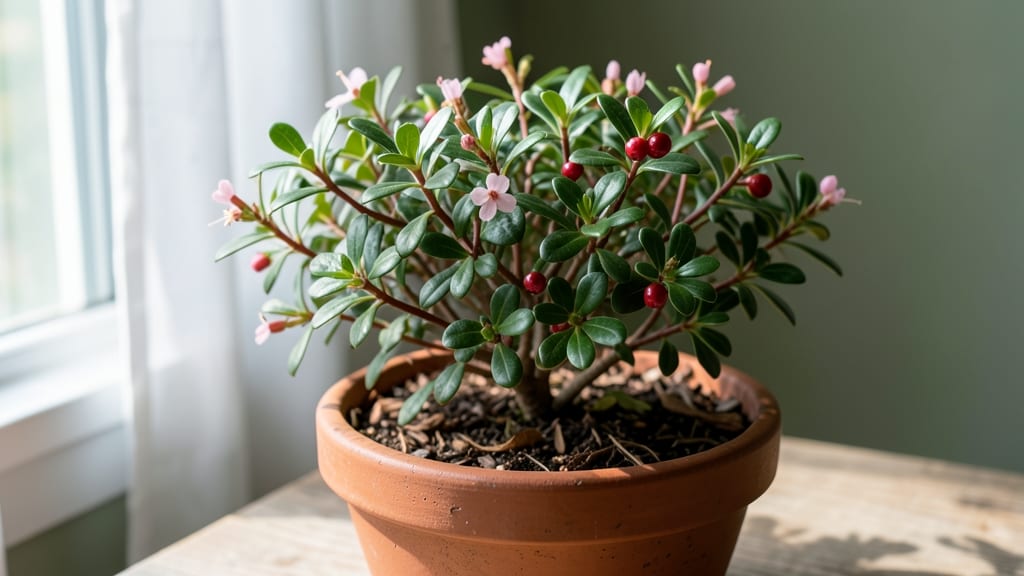
Planting a miracle fruit tree (Synsepalum dulcificum) turns your yard into a living flavor experiment—just imagine making lemons taste like strawberries. 🌿 I’ve grown these quirky tropicals for years, and they’re shockingly low-maintenance once established, with that one wild trick up their sleeve: the berries alter your taste buds for hours.
The key to success starts with soil that drains like a sandy loam but holds moisture—think of it as a mix of peat, perlite, and compost. They crave bright, indirect light, so a sheltered spot near a window or under high-canopy trees works best.
Water when the top inch of soil feels dry, but never let them sit in soggy roots. By late summer, you’ll see clusters of tiny red berries that pack a magical punch. Harvest them when fully ripe, and store in the fridge for up to a week.
The real magic? Eating one makes sour foods taste sweet for hours—great for gardeners who want to impress (or confuse) dinner guests. Works indoors or out, in pots or ground, and thrives in zones 10-12. Here’s how to get yours growing!
📚 In This Guide
- What you need
- Instructions
- Tips and common mistakes
- Wrapping up and next steps
What you need
- ● Miracle Fruit Seeds (Synsepalum dulcificum) – 3–5 seeds (ensure they’re fresh or sourced from a reputable supplier).
- ● Well-draining potting mix – 10–15 lbs (4.5–7 kg) of a blend like 50% peat moss, 30% perlite, and 20% coconut coir (or a pre-mixed tropical mix).
- ● 5–7 inch (13–18 cm) diameter pots – 2–3 pots (with drainage holes) for seedlings.
- ● Organic fertilizer – A balanced 10-10-10 or 20-20-20 (diluted to half-strength) for young plants.
- ● Spray bottle – For gentle watering during germination.
- ● Trowel or small shovel – For transplanting seedlings.
- ○ Gloves – Optional but helpful for handling soil.
- ● Humidity dome or plastic wrap – To create a greenhouse effect during germination.
- ○ Thermometer (optional) – To monitor ideal 75–85°F (24–29°C) soil temperatures.
- ● Warm climate or indoor grow lights – Miracle fruit thrives in USDA Zones 10–12 or indoors with bright, indirect light.
- ● Patience! – Germination can take 2–4 weeks, and fruiting may take 2–5 years.
- ● Access to water – Consistent moisture (but not soggy) is key.
Step-by-step instructions for planting a miracle fruit tree
Here's the easy method I've used to grow healthy miracle fruit trees—no green thumb required.
🌱 Step 1: Choose the Right Location and Prepare the Soil
Miracle fruit thrives in warmth and humidity, so pick a spot that gets at least 6 hours of bright, indirect sunlight daily. Avoid harsh afternoon sun in hot climates—it can scorch tender new leaves. If growing in containers, place them where temperatures stay between 65-85°F year-round.
Loosen the soil to a depth of 12 inches and mix in 2 inches of compost to improve drainage and fertility. Miracle fruit roots are shallow, so avoid heavy clay or waterlogged areas. If your soil drains poorly, add a 1-inch layer of perlite or coarse sand to the planting hole before setting the tree.
🪴 Step 2: Plant the Seedling at the Correct Depth
Dig a hole twice as wide as the root ball but only as deep as the container the seedling came in. This prevents burying the stem, which can cause rot. Gently remove the seedling from its pot and loosen any circling roots with your fingers—this encourages outward growth.
Place the seedling in the hole so the top of the root ball sits level with the surrounding soil. Fill the hole with soil, pressing lightly to remove air pockets. Water deeply until moisture reaches 6 inches down, then let the soil settle for 24 hours before adding mulch. This helps the roots establish without disturbance.
☀️ Step 3: Water and Mulch for Retained Moisture
Water the tree every 2-3 days until new growth appears, keeping the soil evenly moist but not soggy. Miracle fruit is drought-tolerant once established, but young plants need consistent moisture. You'll know it's right when the top 2 inches of soil feel damp but not wet.
Spread a 2-inch layer of organic mulch (like shredded bark or pine needles) around the base, keeping it 3 inches away from the stem. This retains moisture, regulates soil temperature, and suppresses weeds. Refresh the mulch every 3-4 months as it breaks down.
✂️ Step 4: Prune and Fertilize for Healthy Growth
Prune in early spring to shape the tree and remove any dead or crossing branches. Use sterilized pruning shears to make clean cuts just above a leaf node. Avoid heavy pruning—miracle fruit grows slowly, and aggressive cuts can stress the plant.
Fertilize once in early spring with a balanced, slow-release fertilizer (10-10-10 ratio). Mix 1 tablespoon into the top 2 inches of soil and water deeply. Skip fertilizing in the first 3 months—young plants need time to adjust to their new home before extra nutrients.
🌿 Step 5: Protect and Monitor for Pests
Watch for aphids or mealybugs, which can appear on new growth. Spray infested areas with neem oil (mix 1 tablespoon per gallon of water) or wipe them off with a damp cloth. Miracle fruit is generally pest-resistant, but stressed plants attract problems.
If growing outdoors in colder zones, bring potted trees indoors before temperatures drop below 50°F—they’re tropical and won’t survive frost. Keep them near a bright window or under grow lights during winter dormancy. Resume outdoor care in spring when nights stay above 55°F.
Tips & tricks for perfect miracle fruit tree planting
Growing a miracle fruit tree isn't rocket science, but these little details make all the difference between a thriving plant and a struggling one.
Location is Everything: That "6 hours of bright, indirect sunlight" is non-negotiable for miracle fruit. I've seen people place theirs in shady spots and wonder why the leaves turn yellow—this plant needs light to convert its sugars. If you're in a hot climate, morning sun with afternoon shade works best. For containers, rotate them weekly so all sides get equal light exposure.
Soil Prep Secret: The 12-inch soil depth and 2 inches of compost aren't just numbers—they create the perfect environment for those shallow roots. I've found that adding a handful of coffee grounds to the compost mix gives a little extra boost to the soil microbes. Just don't overdo it, as too much acidity can stress the plant.
Planting Depth Matters: That 24-hour settling period after planting is crucial. I learned this the hard way when I rushed and buried the stem too deep—it led to rot. Use a small stick or marker to note the soil level at the top of the root ball before planting. This visual reference helps you get it exactly level with the surrounding soil.
Watering Wisdom: The "evenly moist but not soggy" rule is key, especially during those first few weeks. I check moisture by sticking my finger 2 inches into the soil—if it feels dry, it's time to water. A drip irrigation system set to water slowly twice daily works wonders for maintaining consistent moisture without overwatering.
Pro Tips for Miracle Fruit Tree Plant
- Growing a miracle fruit tree isn't rocket science, but these little details make all the difference between a thrivin...
- Location is Everything: That "6 hours of bright, indirect sunlight" is non-negotiable for miracle fruit. I've seen pe...
- Soil Prep Secret: The 12-inch soil depth and 2 inches of compost aren't just numbers—they create the perfect environm...
Frequently asked questions
Got questions about growing your own miracle fruit tree?
Here are answers to the most common ones—so you can plant with confidence!
How long does it take for a miracle fruit tree to bear fruit?
The miracle fruit tree (Synsepalum dulcificum) typically takes 3–5 years to produce fruit after planting from seed. Grafted trees may fruit sooner (1–2 years), but patience is key—your wait will be worth it for those flavor-transforming berries!
Can miracle fruit survive cold weather?
Nope! This tropical plant thrives in USDA zones 10–12 (50°F+ year-round). Below 32°F, leaves will crisp, and the tree may die. Grow it in containers for indoor winter moves or in greenhouses if you live in colder climates.
How do I use the fruit to change flavors?
Simply chew a ripe red berry (or place it on your tongue) for 10–30 seconds—it’ll make sour foods (lemonade, vinegar, or even pickles) taste sweet for up to 2 hours! Pro tip: Avoid overconsumption (1–2 berries/day max) to prevent stomach upset.
What’s the easiest way to grow a miracle fruit tree?
Start with seeds (soak overnight for faster germination) or buy a grafted sapling for quicker results. Plant in well-draining soil, keep it moist (not soggy), and place it in bright, indirect light. Patience pays off—just like a slow-cooked stew!
Why aren’t my miracle fruit tree’s leaves turning red?
Red leaves signal ripeness—but if yours stay green, check these fixes:
- Sunlight: Needs 4–6 hours of daily light (yellow leaves = too much sun).
- Water: Overwatering causes root rot; underwatering = crispy edges.
- Nutrients: Feed with balanced fertilizer (10-10-10) every 2 months.
Wrapping up and next steps
The miracle fruit tree is a fascinating, low-maintenance perennial that can transform your taste buds—and your garden! With its ability to thrive in warm climates and minimal care, it’s the perfect addition for adventurous plant lovers.
Whether you’re growing it for fun, culinary experiments, or even potential health benefits, this tropical gem proves that nature’s wonders are just a seed away.
Ready to take the next step? Start small—grow one plant, experiment with its berries, and share your discoveries! Who knows? You might just inspire others to explore the magic of this unique fruit. Happy planting! 🌱✨