
Plants
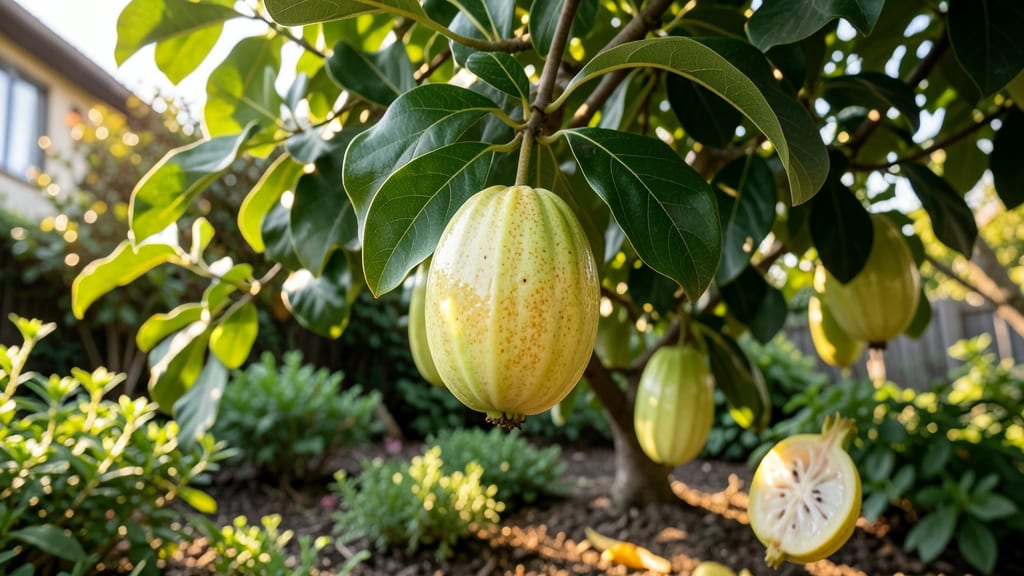
Discover 10 rare, flavor-packed fruits that thrive in home gardens and offer unique flavors beyond common supermarket options. These niche varieties are perfect for adventurous growers seeking novelty, sustainability, and culinary excitement.
Black Sapote: Chocolate Pudding Fruit
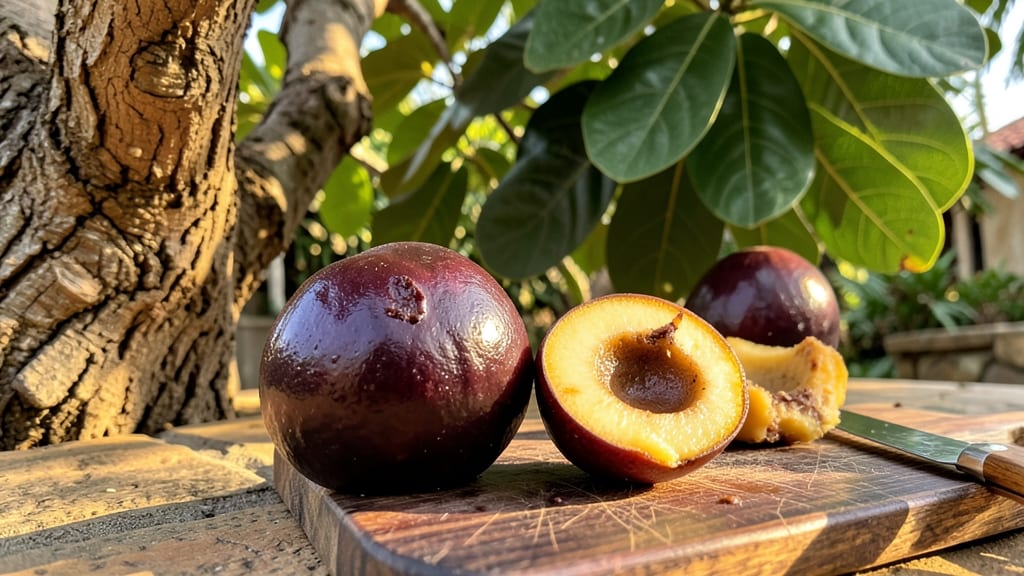
Imagine biting into a fruit that tastes like chocolate pudding—no baking required! The black sapote (Diospyros digyna) delivers that dreamy, creamy texture with a rich cocoa flavor, making it a standout for tropical gardens. This easy-to-grow tree thrives in USDA zones 9-11 and even tolerates urban heat islands, rewarding you with fruit year-round in ideal climates.
Start with a young sapling and plant it in well-draining soil with full sun to partial shade. It’s drought-tolerant once established but produces best with regular watering during dry spells. The glossy black fruit ripens in fall, and its creamy interior melts like dessert—eat it fresh, blend it into smoothies, or use it as a natural cocoa substitute. No pollination needed!
Perfect for gardeners in warm coastal areas or microclimates, the black sapote adds both beauty and novelty to your landscape. Its slow-growing nature means minimal maintenance, just pure tropical indulgence. 🌟
Custard Apple: Sweet Creamy Delight
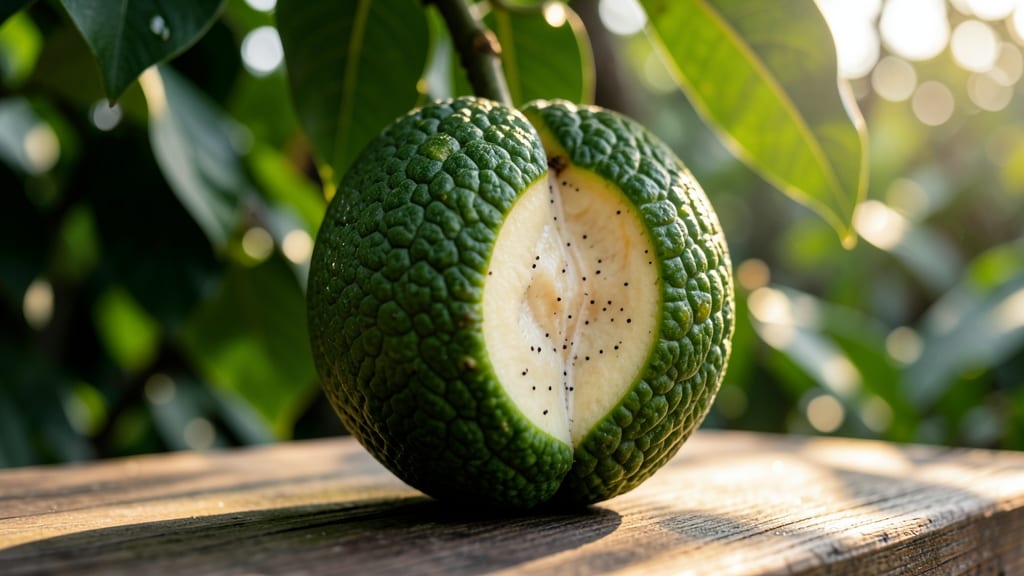
If you’ve ever dreamed of growing a fruit that tastes like vanilla custard, the custard apple (Annona reticulata) is your perfect tropical treasure. This fragrant, creamy fruit thrives in warm climates and delivers a flavor so rich it’s often called the "sweetest fruit in the world."
Native to the Caribbean and South America, custard apples love full sun and well-draining soil, making them ideal for gardeners in USDA zones 10-11. The tree grows 15-25 feet tall, but dwarf varieties stay manageable for smaller spaces. Harvest when the fruit yields slightly to touch—its aromatic, custard-like pulp is perfect for smoothies, desserts, or even fresh snacking.
Tropical gardeners and fruit enthusiasts will love this low-maintenance tree, which also boasts glossy, evergreen leaves and fragrant white flowers. Just be prepared for its messy, spiky skin—wear gloves when handling! 🌱
Miracle Fruit: Flavor-Changing Berry
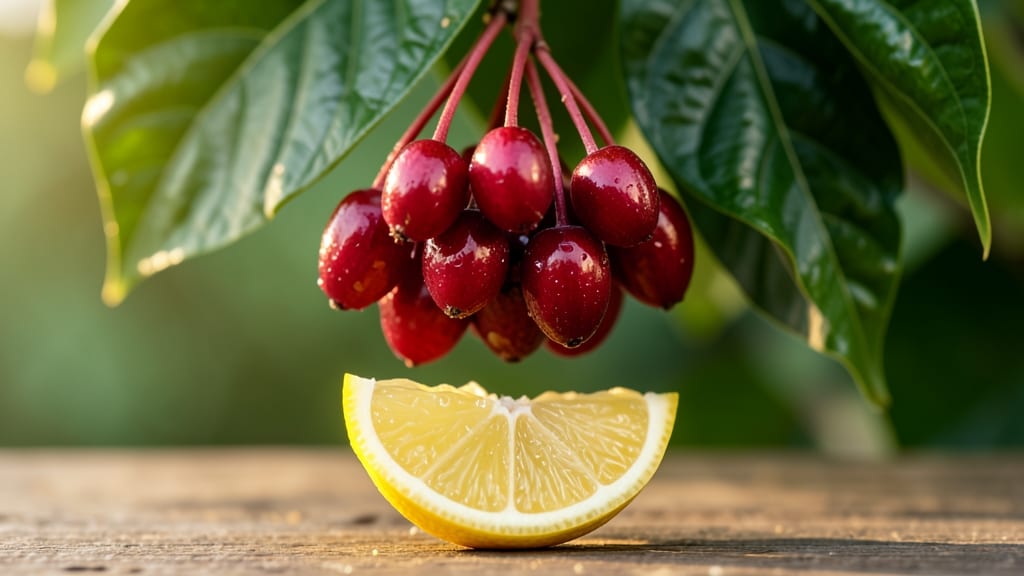
Ready to turn lemons into candy? The miracle fruit (Synsepalum dulcificum) is a tiny red berry that temporarily rewires your taste buds, making sour foods taste sweet for up to an hour. This tropical curiosity thrives in USDA zones 10-11 but can also be grown as a houseplant in cooler climates.
After eating one berry, acidic foods like lemons, grapefruit, or even vinegar will taste surprisingly sweet. The plant itself is low-maintenance, preferring bright, indirect light and well-draining soil. It produces clusters of glossy red berries that are safe to eat raw—just chew one before your next meal for a flavor experiment!
Perfect for culinary gardeners and sensory enthusiasts, this berry adds a playful twist to gardening while sparking creativity in the kitchen. 🌟
Dragon Fruit: Vibrant Cactus Fruit
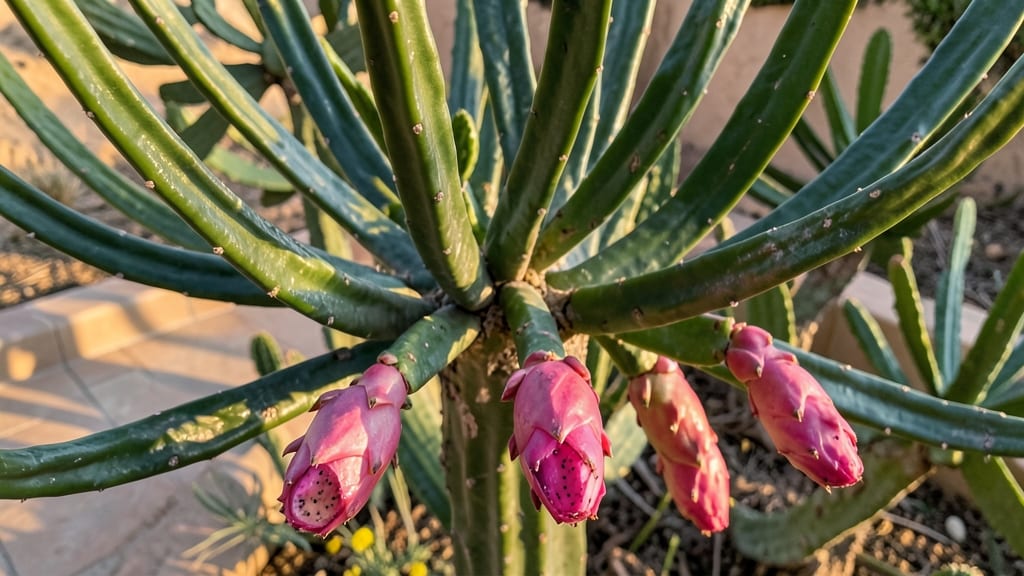
Looking for a fruit that’s as easy to grow as it is visually striking? Meet the dragon fruit, a drought-resistant cactus that produces vibrant pink or yellow fruit with a mild, kiwi-like flavor—no greenhouse required!
This low-maintenance plant thrives in USDA zones 9-11 but can also be grown in containers and overwintered indoors in cooler climates. Its succulent-like pads store water efficiently, making it perfect for dry spells. Simply provide full sun to partial shade, well-draining soil, and occasional watering—overwatering is its only enemy. The fruit itself is packed with antioxidants and fiber, making it a nutritious addition to smoothies, salads, or even desserts.
Dragon fruit is ideal for urban gardeners or beginners who want a high-impact, low-effort plant that doubles as both a decorative centerpiece and a tasty harvest. Plus, the exotic blooms open at night, attracting pollinators for a magical evening garden show! 🌟
Jabuticaba: Brazilian Grape-Tree Fruit
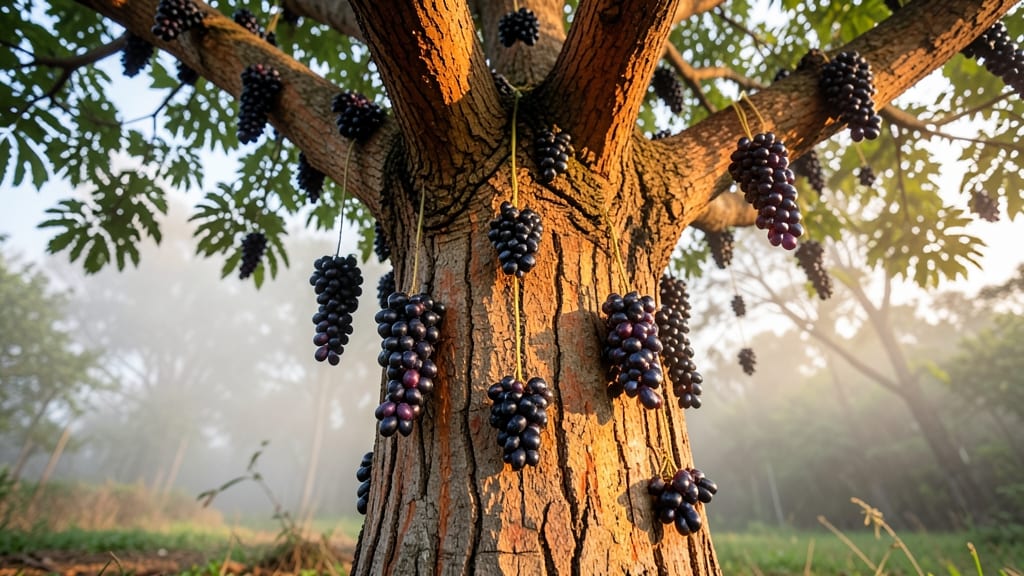
If you’ve ever wanted to pick fruit straight from a tree trunk, jabuticaba is your answer. This Brazilian native produces grapes directly on its bark, creating a stunning visual spectacle while delivering a sweet-tart flavor that’s unlike any supermarket grape.
Thriving in USDA zones 8-11, jabuticaba trees require full sun and well-draining soil. They’re self-pollinating, so you’ll get fruit without needing multiple plants. The berries ripen in late summer to fall, offering a year-round harvest if you plant multiple varieties. Just be prepared for birds to swoop in—these grapes are irresistible to wildlife!
Perfect for adventurous gardeners in warm climates, jabuticaba adds drama and deliciousness to any landscape. 🌟
Pepino Melon: Cucumber-Tomato Hybrid
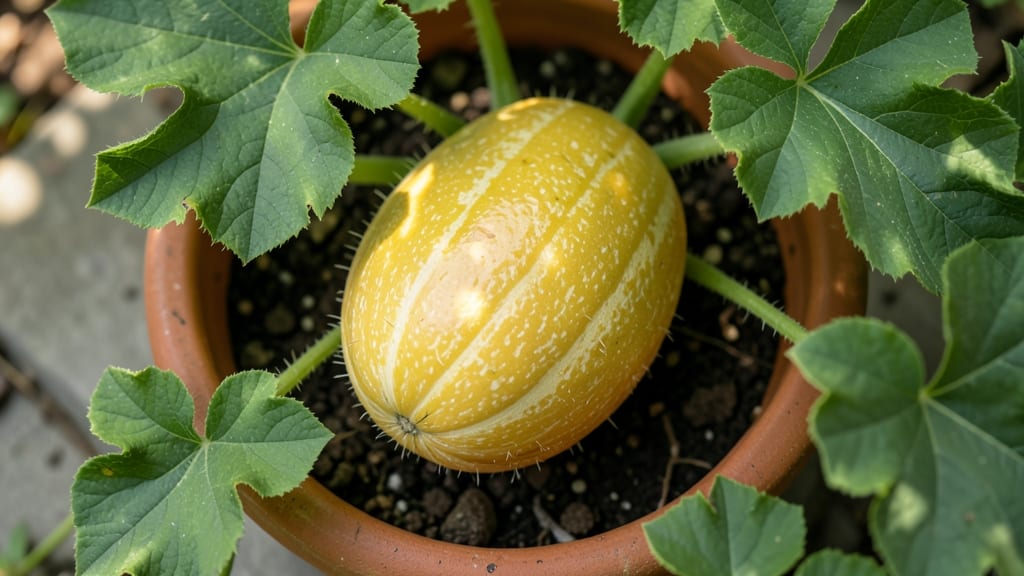
Tired of the same old cucumbers and tomatoes? The pepino melon (Solanum muricatum) bridges that gap with its sweet, tangy flavor—like a cross between cucumber, tomato, and citrus. This underrated gem thrives in containers, making it perfect for balconies, patios, or small urban gardens.
Grow it in full sun to partial shade (6+ hours daily) and well-draining soil. Its vining habit works beautifully in hanging pots or trellises, and it produces pepper-shaped fruits in late summer. Harvest when firm but yielding slightly to touch—slice them fresh into salads or pair with herbs for a unique twist on summer dishes.
Urban gardeners rejoice: this low-maintenance fruit handles heat and drought better than many cucumbers, and its compact growth means no sprawling vines to manage. Perfect for small spaces, it’s a flavor adventure in every bite. 🌱
Buddha’s Hand: Citrus for Aromatherapy
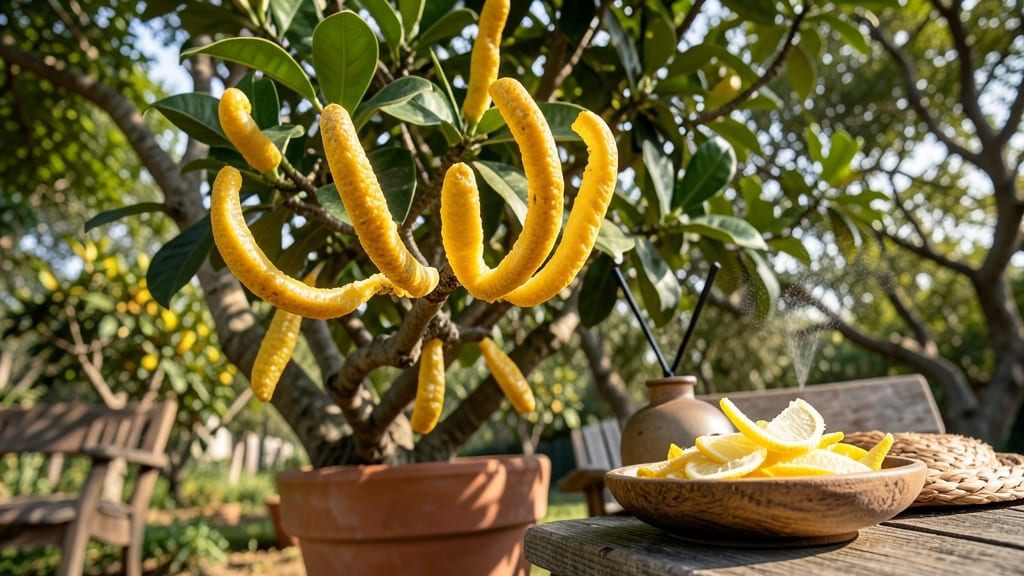
Skip the grocery store and grow your own aromatherapy garden with Buddha’s Hand, a citrus tree that delivers fragrance instead of fruit. Its twisted, finger-like fruit may look unusual, but it’s packed with intense lemony-scented zest that’s perfect for potpourri, sachets, or fresh air diffusion.
Thriving in Mediterranean climates (USDA zones 9-11), this drought-tolerant tree prefers full sun and well-draining soil. While it rarely produces edible fruit, its zest is prized for scent—drying the peel preserves its fragrance for months. Prune regularly to maintain its compact shape, ideal for small patios or containers.
Perfect for gardeners who love sensory experiences, Buddha’s Hand transforms any space into a fragrant retreat. 🌿
Horned Melon: Spiky Kiwi-Like Fruit
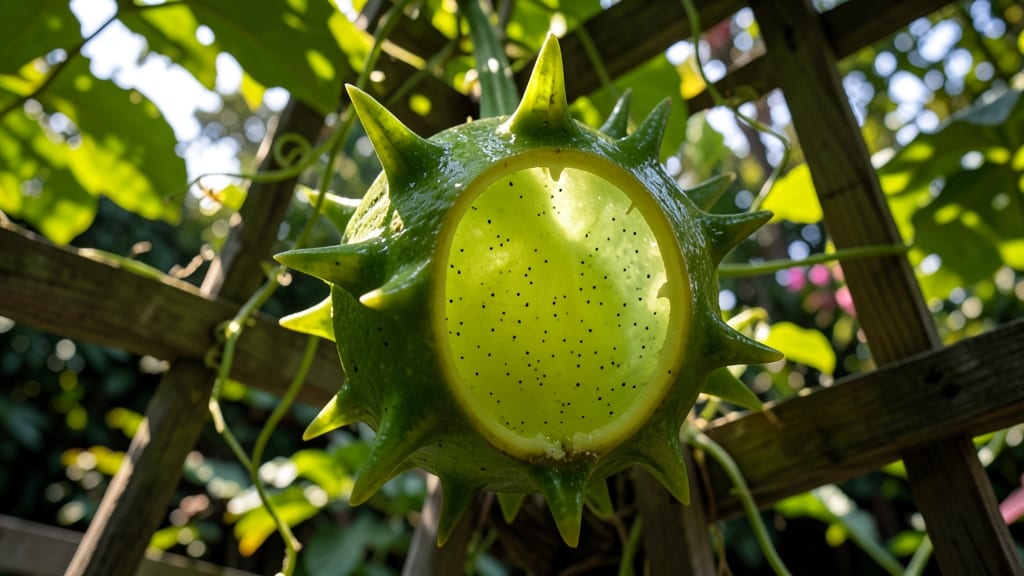
If you love tropical flavors but want something truly unique, the horned melon (or kiwano) is your next garden obsession. This African native produces a spiky, lime-sized fruit with a jelly-like interior that tastes like a mix of cucumber, banana, and lime—perfect for adventurous eaters.
Grow it in warm climates (USDA zones 9-11) or as an annual in cooler areas, where it thrives in full sun and well-draining soil. The vines spread quickly, making them ideal for trellises or containers. Harvest when the skin turns orange—just slice open for a refreshing, edible surprise!
This fruit is a conversation starter for gardeners who want to impress guests with something truly exotic. 🌻
Salak: Snake Fruit with Crunchy Texture
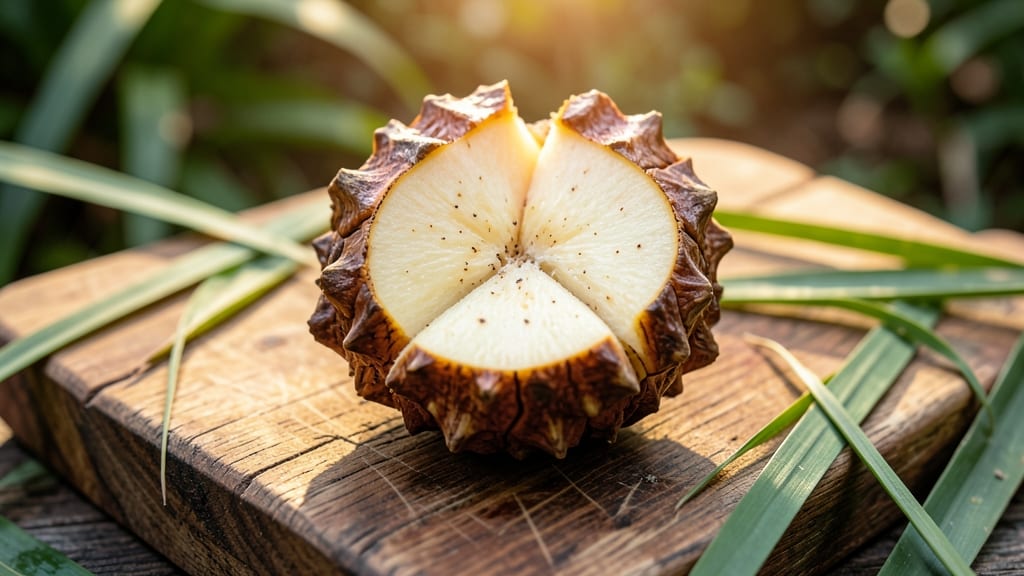
If you're craving something truly unique to snack on straight from your garden, salak (or snake fruit) delivers with its crunchy, apple-like texture and sweet, honeyed flavor. Unlike other tropical fruits, salak's distinctive brown, scaly skin resembles a snake, making it instantly recognizable—and irresistible for adventurous growers.
This palm tree fruit thrives in USDA zones 10-11 and requires well-draining soil with partial shade to protect its delicate fruit from sunburn. While it takes 3-5 years to bear fruit, each tree can produce up to 200 fruits per year, offering a bountiful harvest once established. The fruit's crisp, juicy flesh pairs perfectly with coconut or a sprinkle of chili for a tropical twist.
Perfect for gardeners in warm climates, salak adds both visual intrigue and culinary excitement—ideal for those who love growing fruits with personality. 🌱
Feijoa: Pineapple-Guava Hybrid

Tired of the same old supermarket fruits? The feijoa—often called the "pineapple-guava"—delivers a tropical fusion flavor that’s both exotic and easy to grow in temperate climates. This underrated gem thrives in USDA zones 7-10, making it perfect for gardeners in the Pacific Northwest, California, or the Southeastern U.S.
With its waxy green skin and creamy white flesh speckled with tiny black seeds, feijoa offers a taste that’s sweet, tangy, and packed with antioxidants like vitamin C and dietary fiber. Plant it in well-draining soil with full sun to partial shade, and expect fruit in just 2-3 years. The tree is compact, making it ideal for small gardens or even large containers.
Health-conscious growers will love feijoa’s nutritional benefits, while adventurous eaters can enjoy it fresh, in jams, or even blended into smoothies. It’s the perfect way to add a unique, flavor-packed fruit to your garden without the fuss of tropical climates. 🌟