
Featured
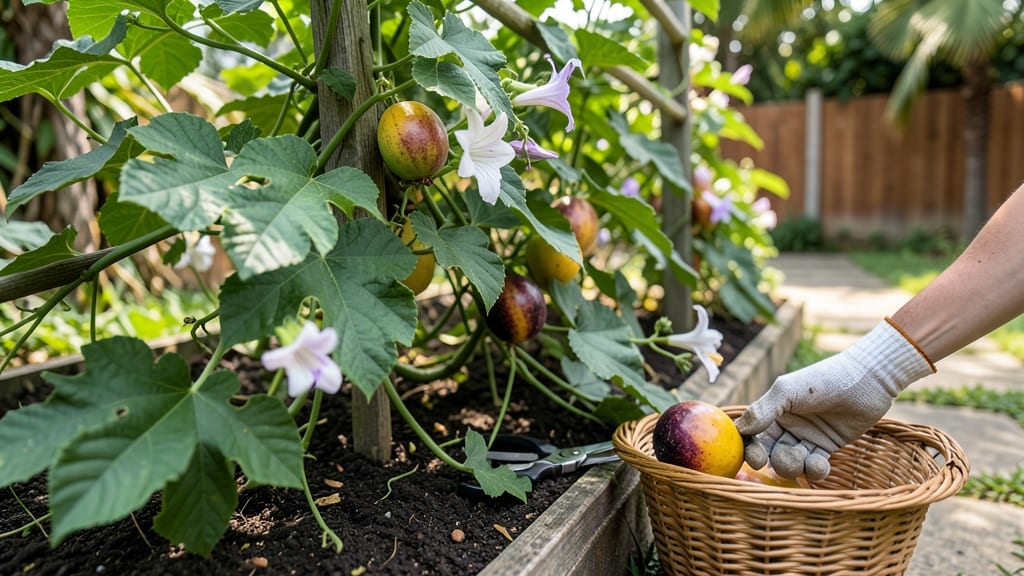
Growing passion fruit 🍈 in California means your harvest season runs from June through September, but the peak months—when fruit is juiciest and most abundant—depend on where you live.
If you’ve ever dreamed of plucking a ripe passion fruit straight from your vine, timing is everything—miss the season, and you’ll be left with sour disappointment. But when exactly does passion fruit season peak in California, and how do you tell when those vibrant fruits are finally ready to harvest?
In coastal areas like Zone 10-11, vines fruit year-round, but the best harvests happen in late spring and summer. Inland valleys (Zone 9) see their main flush from July to August, with a second wave in fall if you protect them from early chills.
Below, I’ll break down the exact months for your region, how to test ripeness like a pro, and simple tricks to extend your harvest—so you’re never left wondering if those fruits will ever turn sweet.
California passion fruit season calendar: month-by-month harvest timeline
California’s Mediterranean climate creates the perfect conditions for passion fruit vines, but timing your harvest depends heavily on your USDA zone and local microclimate. In Zone 10-11 (coastal areas like Santa Barbara or San Diego), vines produce year-round with peak harvests from June through September.
Meanwhile, Zone 9 growers (Inland Empire, Central Valley) face frost risks and shorter seasons, typically harvesting between July and August.
Early varieties like ‘Panama Yellow’ ripen first, often appearing in late May in frost-free zones, while late varieties such as ‘Purple Giant’ may linger until October. Understanding these regional differences ensures you don’t miss your window—because once those fruits turn yellow, they’re gone in days!
🌱
| Month | Zone 10-11 (Coastal) | Zone 9 (Inland) | Key Varieties | Notes |
|---|---|---|---|---|
| January | Fruiting begins (late varieties) | Dormant (frost risk) | Purple Giant | Coastal vines continue producing; Zone 9 vines need frost protection. |
| February | Peak harvest (early varieties) | Plant new vines after frost | Panama Yellow | Zone 9: Plant after last frost (Feb 15); Zone 10-11: Harvest daily. |
| March | Heavy fruiting (spring flush) | New growth begins | Golden Passion | Prune lightly to encourage fruit set; fertilize in Zone 9. |
| April | Harvest slows (summer prep) | Fruiting starts (late Zone 9) | All varieties | Zone 9: First fruits appear; Zone 10-11: Reduce water slightly. |
| May | Harvest resumes (summer peak) | Full production | Early Bird | Both zones see heaviest harvests; hand-pollinate if bees are scarce. |
| June | Peak season (daily harvests) | Peak season | All varieties | Harvest every 2-3 days; watch for pests like passion vine hoppers. |
| July | Harvest continues | Harvest declines | Late varieties | Zone 9: Late-season fruits ripen; Zone 10-11: Hotter temps may reduce yield. |
| August | Final harvest wave | Few fruits remain | P
How to test passion fruit ripeness: 5 proven methods for perfect picksPicking a passion fruit at the perfect moment is an art—especially in California’s summer heat when vines produce rapidly. While color changes from green to yellow/orange is the most obvious clue, relying solely on appearance can lead to underripe or overripe fruit. I’ve learned the hard way that a passion fruit’s true ripeness hides in subtle cues only experienced growers notice. California’s passion fruit season peaks from June to September, but even within this window, fruits ripen at different rates. The key is combining multiple tests—visual, tactile, and scent-based—to avoid bitter disappointment. Over my years growing passion vines in Zone 10, I’ve perfected these five methods to guarantee a sweet, juicy harvest every time.
One common mistake I see is harvesting based on color alone. Even if a passion fruit turns yellow, it might still taste mealy or sour if the seeds aren’t fully developed. That’s why I always combine the squeeze test with the stem check—this duo catches 90% of overripe or underripe fruits before they hit the kitchen. For California growers, timing is critical because late-season heat can accelerate ripening. I’ve noticed that fruits on south-facing trellises ripen faster than those in shaded areas. If you’re in Southern California’s desert regions, harvest in the early morning to avoid fruit splitting from afternoon heat stress. Pro tip: If you’re unsure, wait an extra day. A passion fruit won’t ripen further once picked, but an overripe one becomes mushy and loses flavor. I keep a small harvest journal to track which vines produce the sweetest fruits—some varieties like ‘Panama Yellow’ ripen faster than ‘Purple Granadilla’, so I adjust my tests accordingly. Remember, the best passion fruits are those picked at the peak of ripeness—just when they’re soft enough to yield but still firm enough to handle. Master these tests, and you’ll never settle for anything less than a burst of tropical sweetness in every bite. 🍈 |