
Fertilization
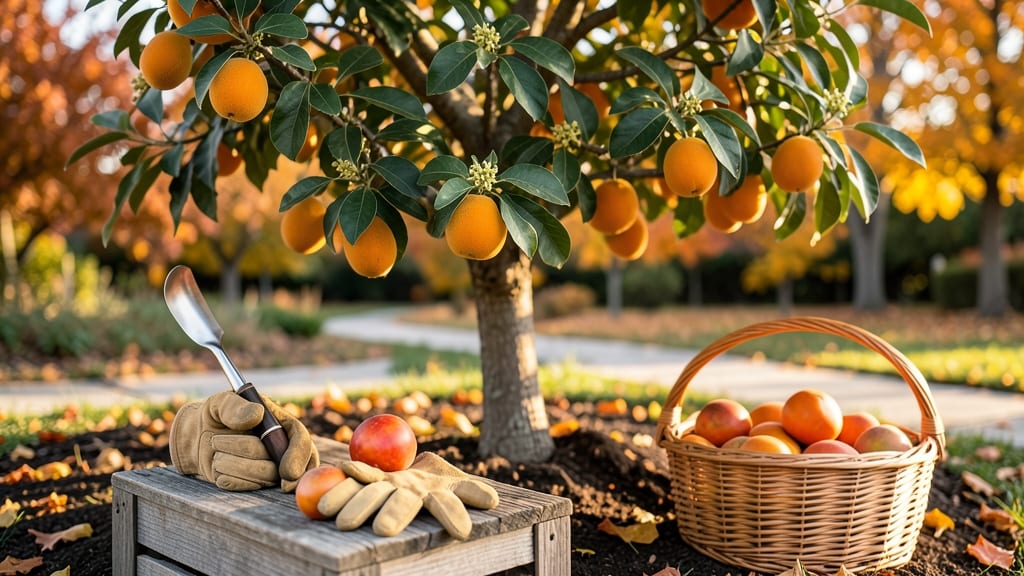
The flavor of persimmon fruit delivers a complex profile blending deep honeyed sweetness with earthy tannic notes, especially when unripe, while fully ripe specimens develop a velvety caramel richness. Its texture transforms from crisp and firm to a luscious custard-like consistency.
The persimmon's flavor journey begins with its natural chemistry—unripe fruits contain high levels of tannins that create that signature astringent bite, while ripening triggers a sugar surge that softens the palate. 🌟 This duality makes persimmons fascinating in both raw and cooked applications, from spiced poached fruit to savory glazes.
The key to unlocking their full potential lies in selecting the right variety (Fuyu for immediate eating, Hachiya for baking) and understanding when they're at peak ripeness.
What truly sets persimmon apart is how its flavor evolves with preparation. When baked, the natural sugars caramelize into a molasses-like depth, while fresh slices offer a refreshing contrast to rich cheeses or cured meats.
I've found that storing persimmons at room temperature until fully ripe (when they yield slightly to gentle pressure) maximizes their sweetness potential—this simple step can transform an astringent fruit into a dessert star.
💡 In This Article
- How Ripeness Changes Persimmon Flavor Chemistry
- Best Ways to Enjoy Persimmon Flavor in Cooking
How ripeness changes persimmon flavor chemistry
The persimmon's flavor transformation begins with its tannin content—unripe fruits contain up to 10% tannins by dry weight, which bind to proteins in your saliva and create that dry, puckering sensation. This biochemical defense mechanism deters animals from eating the fruit prematurely.
As the fruit ripens, enzymes like polyphenol oxidase break down these tannins while converting starches into simple sugars like glucose and fructose, which can reach 20-25% of the fruit's weight when fully ripe.
Temperature plays a crucial role in this process. Persimmons ripen best at 68-72°F, where enzymatic activity peaks. Below 50°F, ripening slows dramatically, while above 80°F, the fruit may over-ripen and develop off-flavors.
The Fuyu variety remains edible even unripe because its tannins are naturally lower (3-5%), while Hachiya varieties require full ripeness to lose their astringency completely. 🔥 This chemical shift explains why Fuyu works well in raw applications while Hachiya excels in baking.
What's fascinating is how the sugar profile changes. Initially, persimmons contain mostly complex carbohydrates, but as they ripen, the ratio shifts to simple sugars that enhance sweetness. A ripe persimmon can have a sugar content comparable to apples or pears, but with a more concentrated, honey-like quality.
This is why ripe persimmons develop that caramel-like depth—sucrose molecules begin to break down into smaller sugars that caramelize more easily during cooking.
Color changes also signal ripeness. Chlorophyll breaks down as carotenoids (like beta-carotene) become dominant, shifting the fruit from green to vibrant orange. The deeper the orange hue, the more likely the fruit is fully ripe.
However, don't rely solely on color—always check for a slight give when pressed near the stem. This tactile cue indicates the fruit's internal chemistry has reached its sweetest potential.
For home growers, this means storing persimmons at room temperature until fully ripe (typically 2-4 weeks depending on variety) maximizes their flavor potential. Refrigeration halts ripening, so only move persimmons to the fridge once they're ripe to prevent sugar breakdown.
The result? A fruit that's not just sweet, but complex, with layers of honeyed richness and velvety texture that evolve with each bite.
Understanding this chemistry helps explain why persimmons taste so different in various preparations. Raw and unripe, they're tart and astringent; fully ripe and baked, they become decadently sweet with notes of caramel and even butterscotch.
This duality is what makes persimmons such a versatile ingredient in both traditional and modern cuisine.