
Container Gardens
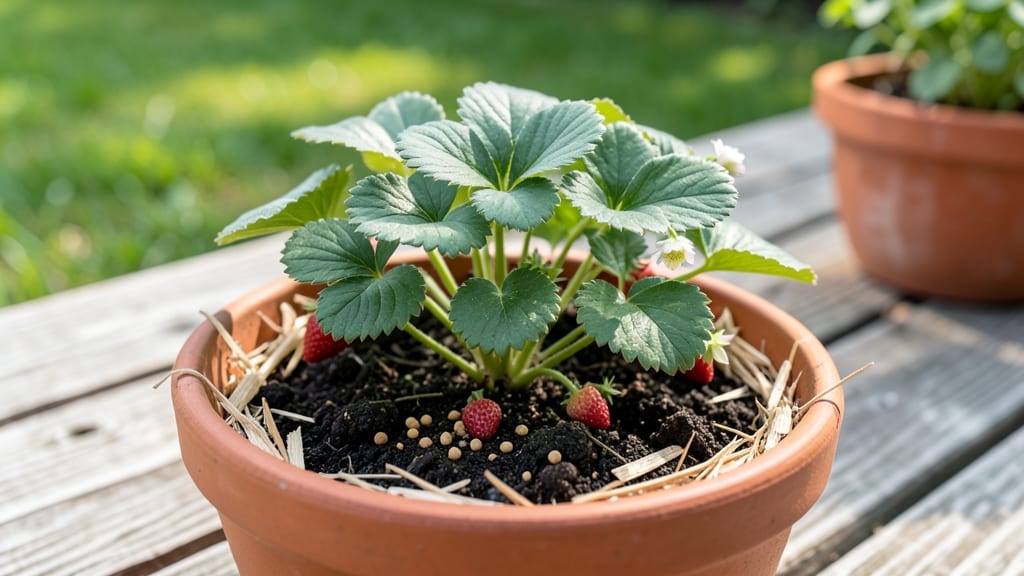
Planting fruits in pots turns balconies into harvests. 🌱 My first container lemon tree surprised me with fruit after just two seasons—proof that small spaces can still produce big rewards. The key is choosing the right varieties and containers to match their growth habits.
Start with dwarf citrus, bush berries, or compact apple varieties designed for containers. You'll need pots with drainage, quality potting mix, and a sunny spot that gets at least 6 hours of light daily. Most fruit plants in pots need repotting every 2-3 years to prevent root-bound stress.
With consistent watering and regular feeding, you'll enjoy homegrown strawberries in spring, lemons in winter, and tomatoes all summer. The best part? No weeding, no pests from the ground, and fruit you can move to follow the sun.
Perfect for renters, small yards, or anyone who wants fresh fruit without a full garden. Let's get those pots planted—your first harvest could be just months away!
📚 In This Guide
- What you need
- Instructions
- Tips and common mistakes
- Wrapping up and next steps
What you need
- ● Containers: Pots with drainage holes (minimum 5-gallon capacity for most fruit plants; larger for trees like citrus or figs). Opt for fabric grow bags or ceramic/terracotta pots for better aeration.
- ● Potting Mix: Well-draining, nutrient-rich mix (avoid garden soil). A blend of 50% potting soil + 30% perlite + 20% compost works wonders.
- ● Fruit Plants: Choose dwarf or container-friendly varieties (e.g., Patio Pepper, Dwarf Meyer Lemon, Strawberry ‘Alpine’). Buy from nurseries or start from seeds (if applicable).
- ● Drainage Layer: Pebbles, gravel, or broken pottery (1–2 inches) to prevent root rot.
- ● Fertilizer: Slow-release granules (like 10-10-10) or liquid organic fertilizer (e.g., fish emulsion) for a nutrient boost.
- ● Trowel or small shovel for planting.
- ● Watering can with a rose nozzle (gentle watering = happy roots!).
- ● Pruning shears for trimming and shaping plants.
- ○ pH test kit (optional but helpful—fruit plants thrive in 6.0–7.0 pH).
- ● Support stakes or cages (for vining plants like tomatoes or strawberries).
- ● 💡 Sunlight: Most fruiting plants need 6+ hours of sunlight daily. Place pots near a sunny window or use grow lights.
- ● 🌡️ Climate Control: Move pots indoors during frost (for tender fruits like citrus) or use heat mats in cold climates.
- ● ✨ Pollination: Hand-pollinate with a small brush if your plants aren’t visited by bees (great for indoor setups).
Step-by-Step instructions for planting fruits in pots
Here’s how to grow compact fruit trees in containers—proven methods for abundant harvests in small spaces.
🪴 Step 1: Select the Right Containers and Drainage
Choose 5-gallon or larger containers with drainage holes—at least 18 inches deep for dwarf varieties like columnar apples or patio peaches. Terra cotta or fabric pots work best because they allow excess moisture to evaporate. If your chosen pot lacks drainage, drill ¼-inch holes in the bottom and line the interior with landscape fabric to prevent soil loss.
Place a 2-3 inch layer of gravel or expanded clay pebbles at the bottom before adding soil. This ensures proper drainage while preventing root rot. I always test drainage by filling the pot with water—if it drains within 10-15 minutes, the setup is correct. Slow drainage means roots will suffocate, even with drought-tolerant varieties.
🌱 Step 2: Prepare Soil and Plant the Tree
Use a well-draining potting mix blended with 20% compost and a handful of slow-release fertilizer. Avoid garden soil—it compacts in containers and strangles roots. Fill the pot to 1 inch below the rim, leaving room for watering. Press the soil gently to remove air pockets but don’t compact it tightly.
Remove the fruit tree from its nursery pot and loosen the roots if they’re circling. Position the tree so the root flare (where roots meet the trunk) sits ½ inch above the soil line. Backfill with potting mix, tamping lightly to eliminate gaps. Water deeply until it runs out the drainage holes—this settles the soil and eliminates air pockets around the roots.
☀️ Step 3: Position for Optimal Sun and Wind Protection
Most dwarf fruit trees need 6-8 hours of direct sun daily. South-facing patios or balconies work best, but east or west exposures can work if the tree gets morning or late-afternoon sun. Avoid north-facing spots unless you’re growing shade-tolerant varieties like columnar apples or certain figs.
Protect young trees from strong winds—they dry out soil and stress roots. Place pots near a wall or fence, or group them together for mutual support. If your space gets hot afternoon sun, move pots into partial shade during peak heat (12–3 PM). You’ll notice leaves curling or wilting—this is your cue to adjust placement immediately.
💧 Step 4: Water and Fertilize for Consistent Growth
Water when the top 2 inches of soil feel dry—stick your finger in to check. Dwarf fruit trees in pots dry out faster than in-ground plants, so monitor daily during hot weather. Water deeply until it drains through the bottom, then empty the saucer to prevent root rot. Overwatering is the #1 killer of potted fruit trees.
Fertilize every 4-6 weeks during growing season with a balanced, slow-release formula (10-10-10 or similar). I mix in ½ cup of compost at planting and again in early summer to feed roots naturally. Stop fertilizing in late summer to encourage dormancy—new growth won’t harden off before winter, making trees vulnerable to cold.
✂️ Step 5: Prune and Support for Abundant Harvests
Prune in late winter or early spring before new growth starts. Remove dead, crossing, or crowded branches, cutting just above a bud or outward-facing leaf. This opens the canopy to sunlight and air, reducing disease risk. For columnar varieties, trim only the top to maintain shape—never prune sides, as this disrupts fruiting.
Stake young trees if they lean—use soft ties (not wire) to avoid girdling the trunk. Thin fruit clusters to 6-8 inches apart when they’re golf-ball sized. This ensures larger, higher-quality fruit and prevents branches from breaking under weight. You’ll see fewer but bigger, sweeter fruits—worth the effort!
Tips & tricks for perfect container-grown fruit trees
These pro-level strategies will help you avoid common pitfalls and maximize your harvest from potted fruit trees.
Drainage Test: That 10-15 minute drainage test in Step 1 is non-negotiable. I've seen roots rot after just 24 hours in pots with poor drainage—even with drought-tolerant varieties. If water pools after 15 minutes, add more gravel or consider a different pot. The goal is to mimic natural soil conditions where excess water drains away quickly.
Root Flare Position: Getting the root flare exactly ½ inch above the soil line in Step 2 makes all the difference. Too high and roots dry out; too low and they suffocate. I use a pencil to mark the flare before planting, then double-check after backfilling. This simple step prevents the #1 cause of container tree failure—poor root development.
Sunlight Strategy: The 6-8 hours of direct sun requirement in Step 3 is a guideline, not a strict rule. I've grown productive columnar apples with just 5 hours of morning sun by supplementing with a grow light for 2 hours in the evening. Monitor leaf color—pale yellow means more light is needed, while crispy edges signal too much sun.
Watering Hack: Instead of checking soil moisture with your finger every time, I use a moisture meter for my potted fruit trees. The 2-inch depth guideline in Step 4 works, but meters give precise readings. Pro tip: Water in the morning so leaves dry completely by evening, reducing fungal risks. Overwatering is silent killer—always empty saucers after watering.
Pro Tips for Planting Fruits In Pots
- These pro-level strategies will help you avoid common pitfalls and maximize your harvest from potted fruit trees.
- Drainage Test: That 10-15 minute drainage test in Step 1 is non-negotiable.
- Root Flare Position: Getting the root flare exactly ½ inch above the soil line in Step 2 makes all the difference.
Frequently asked questions
Got questions about growing fruiting plants in pots? You’re not alone! Here are some of the most common concerns—and their solutions—to help you thrive with container-grown fruit.
What are the easiest fruits to grow in pots for beginners?
Start with dwarf varieties of strawberries, blueberries, peppers, or citrus like Meyer lemons. These adapt well to containers and require less maintenance. Avoid heavy fruiters like full-size apples or pears—they need deep roots and space. Pro tip: Look for labels like "patio," "mini," or "container-friendly" at nurseries!
How long does it take for potted fruit plants to bear fruit?
Timing varies! Strawberries may fruit in 3–6 months, while citrus trees can take 1–3 years. Dwarf fruit trees (like apples or peaches) often produce fruit within 2–4 years. Patience is key—ensure your plants get 6+ hours of sunlight daily and consistent watering to speed things up.
How often should I water potted fruit plants?
Check soil moisture daily during hot weather—containers dry out fast! Water when the top inch feels dry, but avoid soggy soil (root rot is a risk). Morning watering is best to reduce evaporation. Citrus and berries need slightly more moisture than drought-tolerant varieties like figs or pomegranates.
Can I grow fruit in pots without a sunny balcony or yard?
Use grow lights (LED or fluorescent) for 12–14 hours daily if natural light is limited. Herbs like mint or dwarf basil (technically not fruit but edible) thrive indoors. For fruit, indoor-friendly picks include dwarf figs or microgreens (technically seedlings, but nutrient-packed). Rotate pots weekly for even light exposure.
What do I do if my potted fruit plant has pests or diseases?
Start with neem oil or insecticidal soap for soft-bodied pests like aphids. Fungal issues (e.g., powdery mildew) often stem from overwatering—let soil dry between waterings. Preventative care: Use well-draining soil, prune for airflow, and inspect leaves weekly. Citrus trees are prone to spider mites—spray undersides of leaves with water to deter them!
How do I overwinter potted fruit plants in cold climates?
Move pots to a garage, shed, or insulated porch (50°F+). Reduce watering and fertilize lightly. Wrap the pot in bubble wrap or use a frost cloth for extra protection. Citrus and tropicals need consistent warmth—avoid drafts! In spring, gradually reintroduce sunlight to prevent shock.
Wrapping up and next steps
Planting fruits in pots is a rewarding way to enjoy fresh, homegrown produce—even in tiny spaces! 🌱 With the right dwarf varieties, containers, and care, you can harvest juicy berries, fragrant citrus, or sweet stone fruits year after year.
Whether you’re a beginner or a seasoned gardener, this method proves that big yields don’t need big yards.
Ready to start? Pick one fruit to try this season—maybe a strawberry for quick rewards or a fig for long-term shade and flavor. Grab a pot, some soil, and let your green thumb shine! 🌟