
Pests
Tired of fruit flies ruining your kitchen or garden? These 10 carnivorous and aromatic plants naturally attract, trap, and eliminate fruit flies without toxic sprays or chemicals—while adding beauty to your space.
Venus Flytrap for Fruit Flies
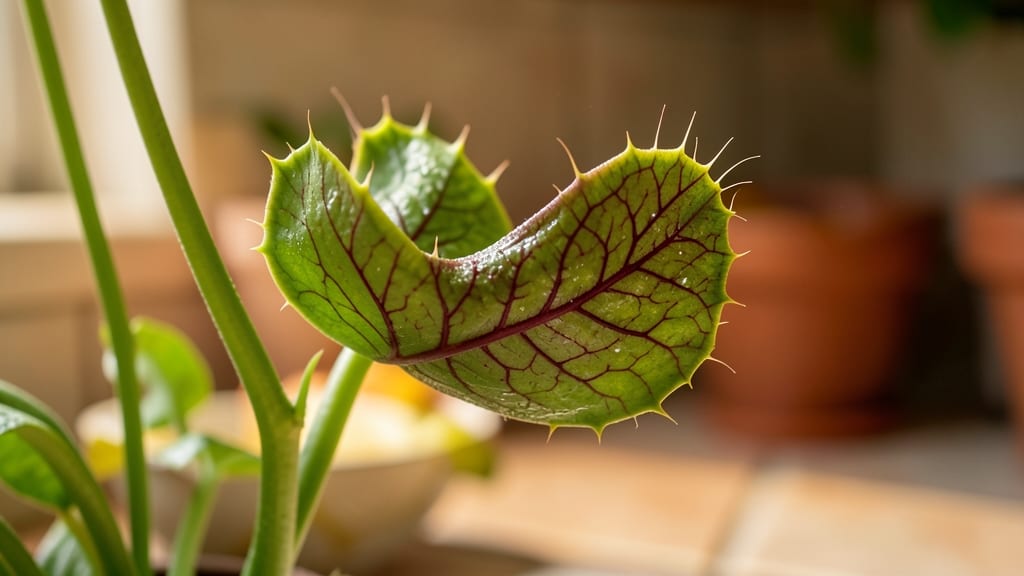
If you’ve ever battled a fruit fly infestation in your bathroom or kitchen, the Venus flytrap (Dionaea muscipula) is your fastest, most dramatic solution. This carnivorous plant snaps shut in under a second when triggered by tiny flies, making it the ultimate instant-action pest controller for small spaces.
Place a small pot on your windowsill or inside a humid terrarium—these plants thrive in moisture-rich environments like bathrooms. Feed them fruit flies (not houseflies) every few weeks to keep them healthy, and they’ll reward you with striking red-and-green foliage that adds a touch of the wild to your home. Just avoid overwatering; keep soil damp but never soggy.
Perfect for urban gardeners or anyone with limited space, the Venus flytrap turns pest control into a living conversation piece. Plus, its snapping action is endlessly fascinating to watch! 🌟
Pitcher Plant with Sticky Nectar
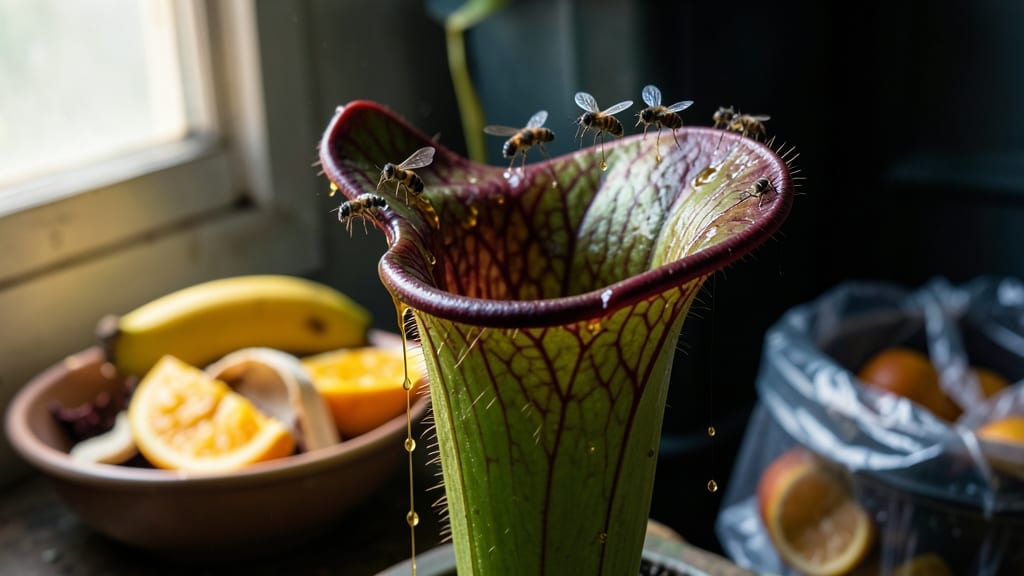
If you’ve ever struggled with fruit flies swarming around your fruit bowls or garbage bins, the pitcher plant is your stealthy, natural solution. This carnivorous beauty doesn’t just trap flies—it lures them with a sweet, irresistible nectar before drowning them in its pitcher-shaped leaves, making it a silent guardian for high-risk areas.
Perfect for hanging baskets near problem spots, pitcher plants thrive in bright, indirect light (like a sunny windowsill or under grow lights) and need consistently moist, acidic soil. Their striking deep red or purple pitchers add a tropical touch to your space while quietly doing the work of pest control. Just avoid placing them where curious pets could disturb their delicate traps.
This plant is ideal for gardeners who want a low-maintenance, visually striking way to combat fruit flies without chemicals. Plus, it’s a conversation starter—who wouldn’t want a plant that doubles as a fly-eating machine? 🌟
Carnivorous Sundew Plants
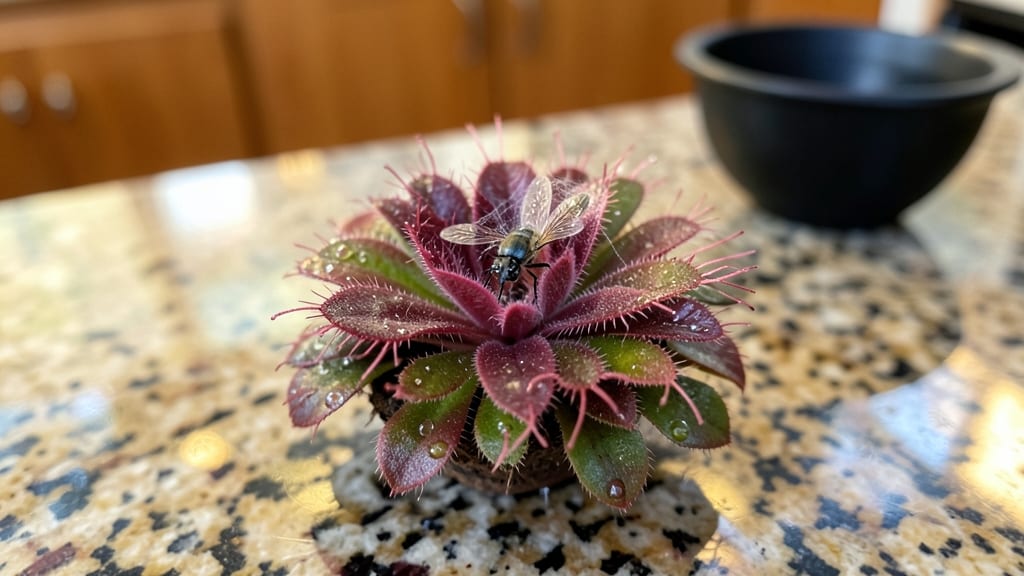
If you’ve ever swatted at a fruit fly only to see it land right back on your countertop, sundew plants might be your secret weapon. These carnivorous beauties use sticky, dew-covered tentacles to trap flies on contact—no snapping jaws or deep pitchers required. Their compact size makes them perfect for windowsills, countertops, or even small terrariums.
Sundews thrive in moist, peat-based soil and prefer indirect sunlight, making them ideal for kitchens or bathrooms with bright, filtered light. Water them gently to keep the soil damp (but not soggy), and watch as their tentacles glisten like morning dew—ready to ensnare unwelcome visitors. Varieties like Drosera capensis or Drosera spatulata are beginner-friendly and add a touch of whimsy to any space.
Urban gardeners and apartment dwellers will love how sundews turn pest control into a living decoration. Plus, their low-maintenance care makes them a great choice for busy plant parents. 🌱
Herbs That Repel Fruit Flies
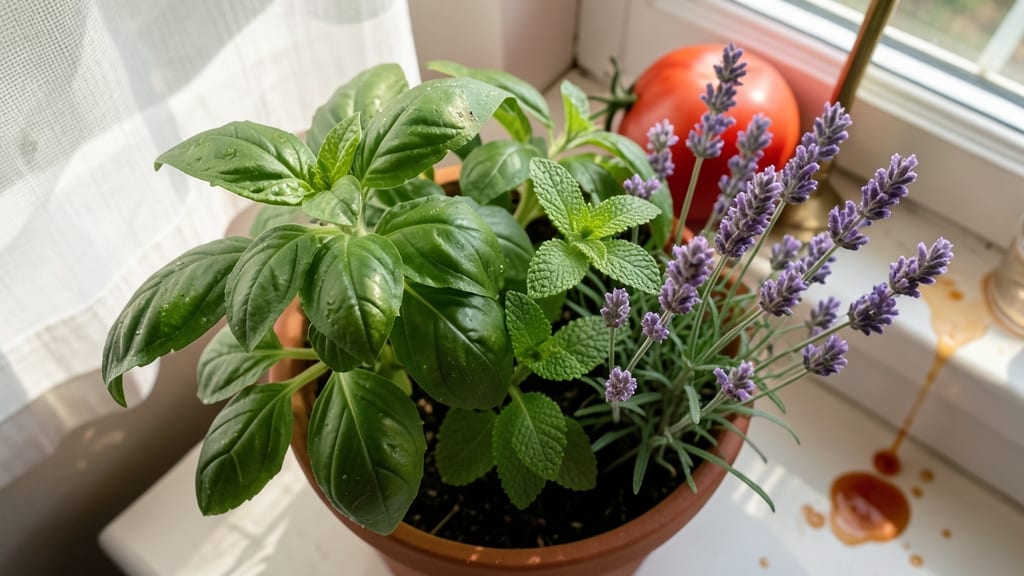
If you’re tired of fruit flies swarming your kitchen or garden, culinary herbs might be your secret weapon. Unlike carnivorous plants that trap flies, these fragrant staples—basil, mint, and lavender—disrupt fruit flies’ ability to locate food by overwhelming their senses with potent aromas.
Plant basil near fruit bowls or windowsills where flies gather, as its anise-like scent confuses their navigation. Mint, with its crisp, peppery fragrance, works wonders in potted arrangements near garbage bins or outdoor seating areas. For a long-term solution, lavender’s floral notes repel flies while adding beauty to borders or container gardens. All three thrive in well-draining soil and 6 hours of sun daily.
These herbs are perfect for urban gardeners, balcony planters, or kitchen windowsills—no special conditions required. Plus, you’ll enjoy fresh flavors for cooking while keeping fruit flies at bay. 💚
Butterwort for Sticky Traps
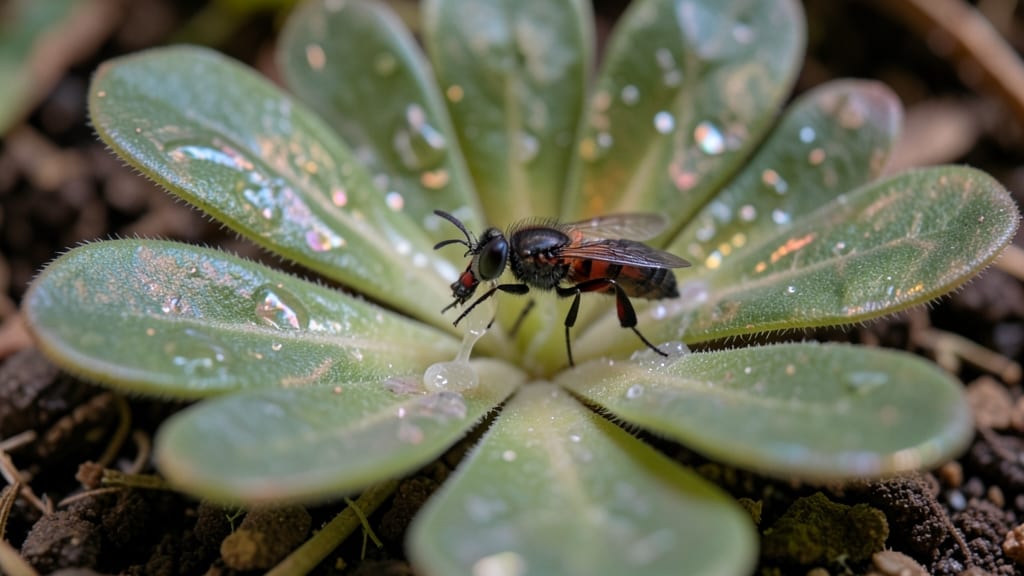
If you’ve ever watched a fruit fly land on a sticky surface only to be instantly trapped, imagine that—but with a plant that does the work for you. Butterwort (Pinguicula) uses its flat, glue-like leaves to snare flies in seconds, making it one of nature’s most efficient (and satisfying) pest controllers.
This carnivorous plant thrives in boggy soil and partial shade, perfect for small containers or terrariums where moisture lingers. Unlike other fly-catching plants, butterwort doesn’t need bright light—just keep its roots damp and place it near problem areas like windowsills or fruit bowls. The sticky leaves secrete enzymes to digest trapped flies, leaving your space cleaner without chemicals.
Urban gardeners and terrarium enthusiasts will love butterwort’s low-maintenance care and compact size. It’s a quiet, elegant way to turn a pest problem into a living centerpiece. 🌱
Citrus Peels as Natural Lures
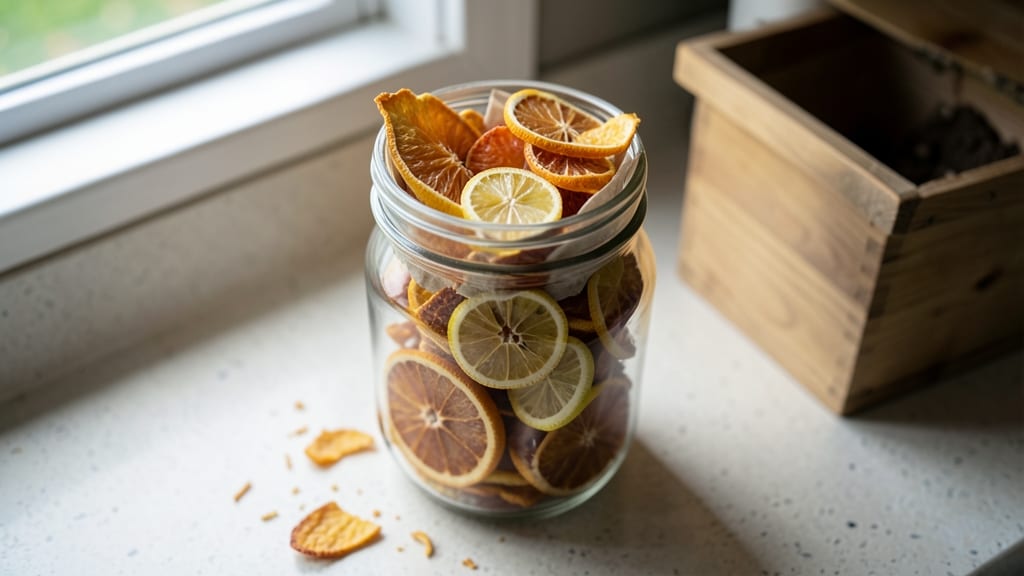
Skip the store-bought traps and turn your kitchen scraps into a fruit fly magnet with this zero-waste trick. Dried citrus peels—like orange, lemon, or grapefruit—release natural scents that lure flies toward a central trap, making them perfect for areas where fruit flies thrive, such as near compost bins or garbage cans.
Simply place a few dried citrus peels in a small bowl or jar, then cover it loosely with plastic wrap or a lid punctured with tiny holes. The flies will enter but won’t escape, giving you a chemical-free solution that’s ready in minutes. Refresh the peels every few days for maximum effectiveness, and watch your fruit fly population shrink without harming your plants or pets. 🌱
Cobweb Houseplant for Flying Pests
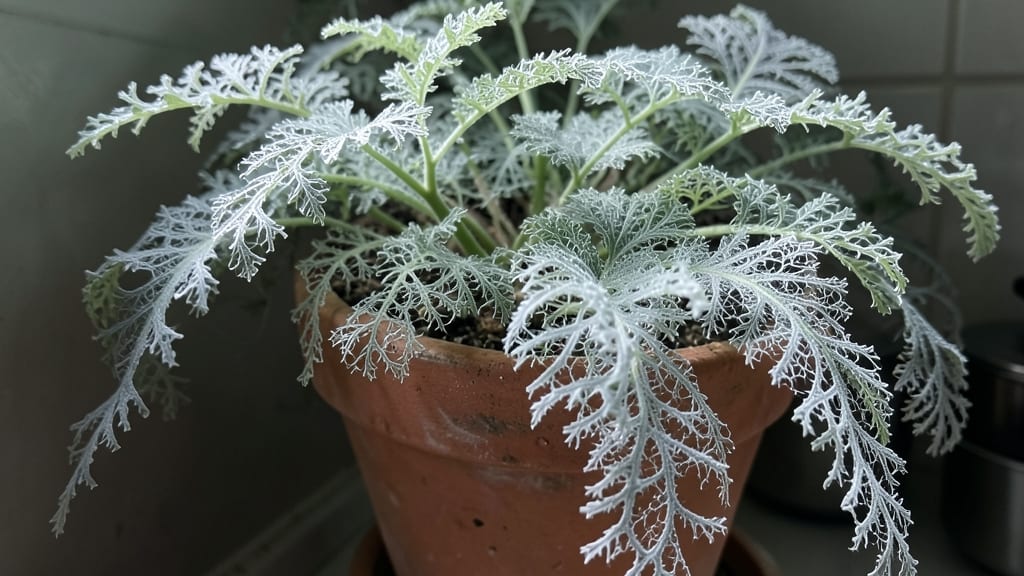
If your kitchen or garage is a fruit fly hotspot but you lack bright light for carnivorous plants, cobweb houseplant (Nephrolepis exaltata 'Fluffy Ruffles') is your secret weapon. This unique fern variety produces delicate, cobweb-like fronds that naturally ensnare flying pests—no sticky traps or chemicals required.
Place it in a hanging basket near problem areas like fruit bowls or trash bins, where its fine webbing will silently catch flies without harming beneficial insects. Unlike other carnivorous plants, it thrives in low-light conditions (even under fluorescent lights) and only needs water when the top inch of soil feels dry—ideal for busy gardeners. The lacy foliage also adds an elegant, airy texture to any indoor space.
Perfect for beginners or urban gardeners with limited natural light, this plant turns pest control into a decorative statement. Just avoid overwatering, and watch those flies disappear naturally. 💚
Rosemary and Sage Bundles
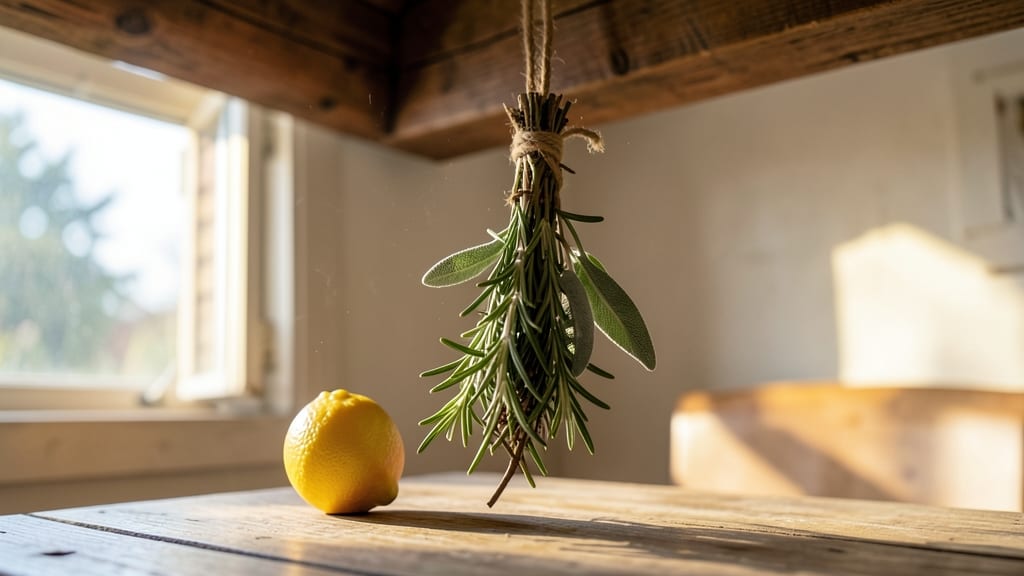
Skip the store-bought repellents—your kitchen herbs can double as fruit fly deterrents! Dried bundles of rosemary and sage hung near entryways or fruit storage release potent aromas that naturally repel flies, making them a zero-effort pest control solution.
Harvest fresh stems when fully mature, tie them into bundles, and hang them in sunny spots to dry completely. Once brittle, place them near problem areas—their piney, earthy scent disrupts flies' ability to locate food sources. These bundles last for months and add a rustic charm to any space.
Perfect for gardeners who prefer low-maintenance solutions, these bundles work equally well indoors or outdoors. They’re especially useful for those storing fruits or compost bins where flies tend to gather. 🌿
Water-Based Fruit Fly Traps
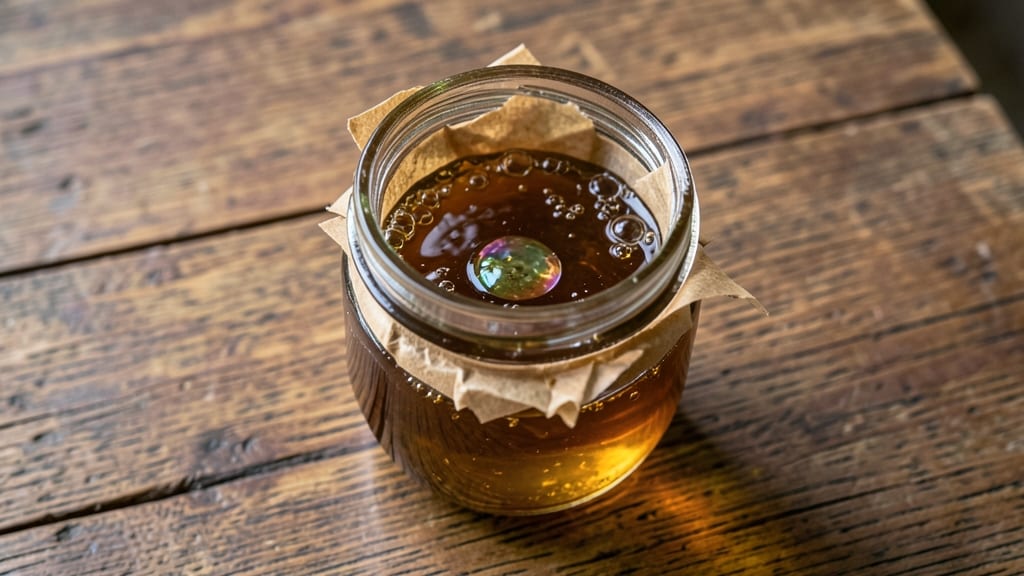
When fruit flies stage a full-blown takeover, skip the store-bought sprays and try this zero-cost, chemical-free solution that works in minutes. A simple mix of apple cider vinegar and a few drops of dish soap creates an irresistible trap that lures flies to their doom—no plants required.
Fill a small container (like a jar or cup) with 2 inches of vinegar—the flies are drawn to its fermenting scent. Add 1 teaspoon of dish soap to break the surface tension, drowning the flies when they land. Poke a few holes in a plastic lid to keep flies in while letting you access the trap. Place it near fruit bowls, garbage bins, or outdoor patios where flies congregate. Refresh the mixture every 3-5 days for maximum effectiveness.
This method is perfect for renters, urban gardeners, or anyone without space for carnivorous plants. It’s also a great way to teach kids about natural pest control without chemicals. 💡
Carnivorous Bladderwort Plants

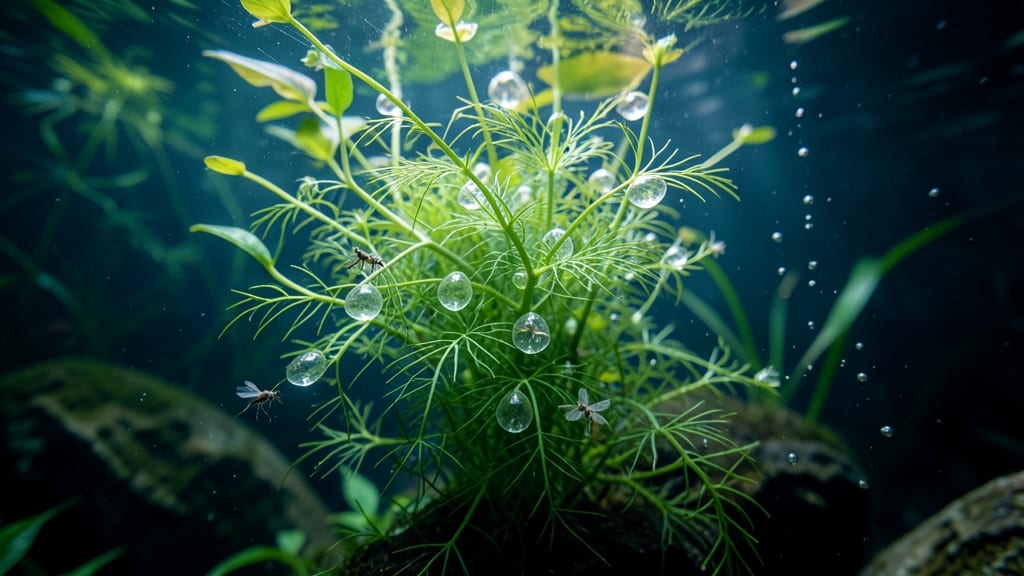
If your fruit flies seem to vanish into thin air—literally—consider bladderwort (Utricularia spp.), a carnivorous aquatic plant that traps flies underwater with microscopic, vacuum-like bladders. Unlike other fly-catching plants, bladderwort thrives entirely submerged, making it perfect for aquariums, small ponds, or even terrariums with a water feature.
These plants grow in shallow water (just 1-2 inches deep) and require no soil—simply float them in a container with dechlorinated water. Their tiny yellow or green bladders snap shut when triggered by vibrations from swimming insects, including fruit flies. Feed them occasionally with small flies or fish food to keep them healthy, but they’ll also catch pests naturally in the right environment.
Aquarium hobbyists and pond owners will love how bladderwort adds both functional pest control and visual interest to water gardens. Its delicate, feathery foliage creates a lush underwater carpet while silently doing the work of fly eradication. 🌿