
Trees
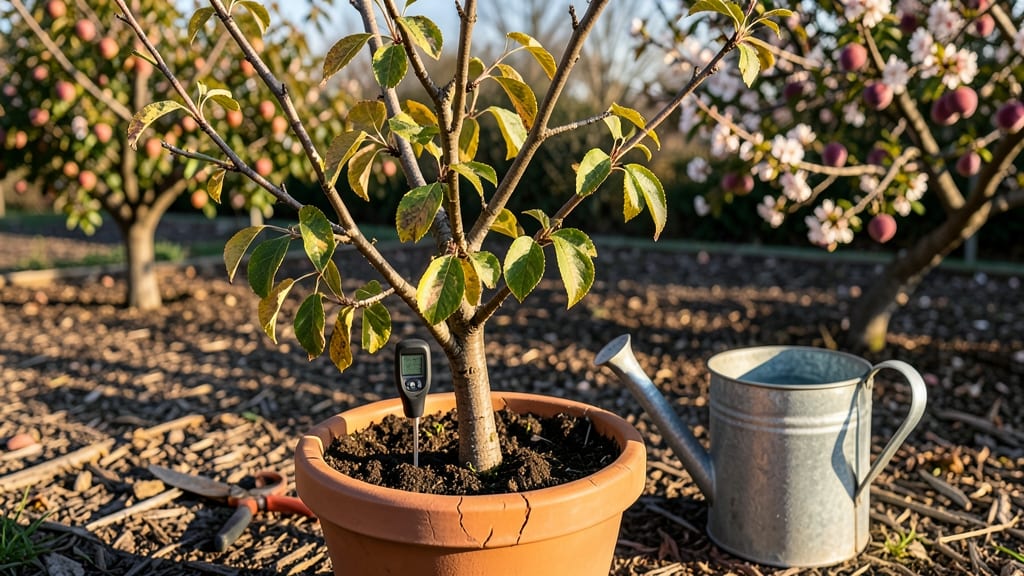
A plum tree not producing fruit after years of hope is heartbreaking—especially when you’ve nurtured it from a hopeful sapling to what now feels like a frustrating dead end.
I’ve watched my own plum tree go from hopeful sapling to frustrating non-producer, and the fix isn’t always obvious—but it’s always solvable. The problem usually boils down to one (or more) of five key issues: age, pollination, pruning, nutrition, or environment.
Let’s cut through the guesswork and get those plums growing.
The most common culprit? Lack of pollination—plum trees need cross-pollination from another variety, and even then, bees or wind might not be doing their job.
Other red flags include over-pruning (which stresses the tree), poor soil (especially low nitrogen or phosphorus), or young age (plum trees often take 3-5 years to fruit). I’ve even seen trees fail because they’re planted in shady spots or get too much summer water.
Here’s the good news: most issues are fixable with simple adjustments. Hand-pollinate flowers if bees aren’t visiting, prune to open the canopy for sunlight, test your soil for deficiencies, and adjust watering to match your climate.
Within a season, you could see blossoms—and next year, a bounty of plums. Let’s troubleshoot step by step.
Whether your tree is brand-new or a veteran with no fruit, this guide covers the most likely causes and foolproof solutions to get those branches heavy with plums again. No more empty branches—just sweet, juicy rewards. Ready to diagnose?
Common Reasons Your Plum Tree Skips Fruit
Plum trees are known for their stunning blossoms and delicious fruit—but when they fail to produce, it can be incredibly frustrating. 🍑🌿 Understanding the underlying causes is the first step to reviving your tree’s fruiting potential.
Below, we break down the most common reasons your plum tree might be playing hard to bear, along with the science behind each issue.
Plum trees are self-pollinating, meaning they can produce fruit without cross-pollination—but they’re not always efficient at it.
Poor pollination often happens due to: - Lack of bees or pollinators – If your tree blooms but no bees visit, pollen isn’t transferred effectively. - Wet or windless weather – Heavy rain can wash away pollen, while still air prevents it from drifting between flowers. - Late or early blooming – If your tree blooms outside peak pollinator activity (usually spring), pollinators may not be around.
Actionable fix: 🐝 Plant companion flowers like lavender or clover near your plum tree to attract pollinators. If bees are scarce in your area, hand-pollinate by gently shaking branches during bloom time.
Plum trees typically don’t bear fruit until they’re 3–5 years old, and some varieties take even longer. If your tree is young, it may simply be saving energy for growth rather than reproduction.
Signs of immaturity:
- Thin, flexible branches (instead of sturdy wood).
- Rapid leaf growth with few (or no) flower buds.
- A tree under 15–20 feet tall (dwarf varieties may take slightly longer).
Actionable fix: 🌱 Be patient! Ensure your young tree gets proper care (water, nutrients, pruning) to encourage stronger growth. Once mature, it should reward you with fruit.
Plum trees are heavy feeders, and a lack of key nutrients can stall fruit production.
The most critical deficiencies include: - Nitrogen (N) – Leads to pale, yellowing leaves and weak growth. - Phosphorus (P) – Essential for flower and fruit development; deficiency shows as dark green leaves with purple stems. - Potassium (K) – Helps with fruit set; lack of it causes weak branches and poor disease resistance. - Zinc or Boron – Even small deficiencies can prevent fruit from forming.
Actionable fix: 📊 Conduct a soil test to identify deficiencies. Apply a balanced fertilizer (10-10-10) in early spring, followed by a phosphorus-rich fertilizer (5-10-10) at bloom time. For micronutrients, use a chelated spray if needed.
Over-pruning, cutting too late in the season, or removing too many flower buds can disrupt fruiting. Plum trees produce fruit on both old and new wood, so aggressive pruning (especially in winter) can remove next year’s potential blooms.
Common pruning mistakes:
- Removing more than 25% of the canopy in one season.
- Pruning after late summer (new growth won’t harden before winter).
- Leaving a crowded, dense canopy (blocks sunlight and air flow).
Actionable fix: ⏰ Prune in late winter or early spring (before buds swell) to encourage airflow and sunlight penetration. Avoid "heading back" (cutting back to a bud)—instead, make clean cuts at a 45° angle just outside the branch collar.
Plum trees are sensitive to extreme conditions, and stress from heat, cold, drought, or poor soil can shut down fruit production.
| Stressor | Signs | Solution |
|---|---|---|
| Drought | Wilting leaves, dry soil | Water deeply 1–2 times per week in dry spells. |
| Overwatering | Yellow leaves, root rot | Ensure well-draining soil; avoid soggy roots. |
| Heatwave | Drooping leaves, sunburn spots | Provide afternoon shade in extreme heat. |
| Frost Damage | Blackened blossoms, dead buds | Plant in a microclimate sheltered from late frosts. |
| Poor Soil Drainage | Waterlogging, root suffocation | Amend soil with compost or sand if clay-heavy. |
Actionable fix: 🌡️ Monitor your tree’s environment—mulch heavily in summer to retain moisture and protect roots. If your area has late frosts, choose a late-blooming plum variety to avoid damage.
Certain pests and diseases drain energy from your plum tree, leaving little for fruit production.
Watch for: - Aphids, scale, or mites – Sap-sucking pests that weaken branches. - Plum curculio or borers – Larvae tunnel into fruit and wood, causing dieback. - Silver leaf fungus or bacterial canker – Fungal/bacterial infections that girdle branches.
Signs of infestation:
- Sticky residue (honeydew) on leaves.
- Chewed fruit or holes in bark.
- Wilting, discolored, or dying branches.
Actionable fix: 🔥 Inspect your tree weekly during growing season. Treat with neem oil (for soft-bodied pests) or horticultural oil (for scale). Prune and dispose of infected branches to prevent spread.
Healthy roots are the foundation of fruit production. Issues like compacted soil, root rot, or girdling roots can starve your plum tree of nutrients and water.
Red flags:
- Girdling roots – Roots circling the trunk, restricting growth.
- Waterlogged soil – Roots suffocate, leading to yellow leaves.
- Poor soil structure – Clay or rocky soil limits root expansion.
Actionable fix: 🌱 Loosen soil around the base (but avoid damaging roots). If roots are girdling, carefully prune them with a sharp knife. For drainage issues, amend soil with compost or plant in a raised bed if necessary.
Not all plum trees are created equal—some varieties are less productive due to genetics or rootstock choices.
- Dwarf varieties – Often take longer to fruit and may produce smaller yields.
- Weak rootstock – Some grafted trees struggle to support heavy fruiting.
- Non-fruiting cultivars – Some ornamental plums (like Prunus cerasifera) focus on flowers, not fruit.
Actionable fix: ✨ If your tree is consistently underperforming, consider replacing it with a high-yielding variety (e.g., Stanley, Santa Rosa, or Methley). Ensure the rootstock is compatible with your climate.
Quick Fixes for Barren Plum Tree
If your plum tree is refusing to bear fruit despite your best efforts, don’t panic—most issues have simple, actionable solutions. Below, we’ve mapped the most common causes to practical fixes (and prevention tips) to get your tree back on track.
Think of this as your step-by-step troubleshooting guide, complete with emoji-coded action steps for clarity.
Cause: Young trees (under 3–5 years) focus on growth, not fruit. Some varieties also take longer to mature. How to Solve:
- 🔥 Wait and nurture: If your tree is under 5 years old, prioritize balanced fertilization (see below) and proper pruning to encourage root and branch development. Patience is key!
- 🍳 Feed for fruit: Once mature, switch to a high-phosphorus fertilizer (like 10-20-10) in early spring to stimulate flowering. Avoid over-fertilizing with nitrogen—it promotes leaves over fruit.
- 🌡️ Check the variety: Some plum cultivars (like ‘Santa Rosa’) fruit earlier than others. Research your tree’s type and consider grafting if it’s a slow starter.
💡 Prevention Tip: Plant dwarf or semi-dwarf varieties (e.g., ‘Methley’ or ‘Larry Ann’) for faster fruiting in small spaces.
Cause: Plums are often self-pollinating but inefficient—wind or bees may not do the job. Cold springs or lack of insect activity can also hinder pollination. How to Solve:
- 👨🍳 DIY pollination: On a dry, sunny morning (when flowers are open), use a soft paintbrush or cotton swab to transfer pollen from one flower to another. Do this for 3–5 days during bloom.
- 🐝 Attract pollinators: Plant bee-friendly flowers (lavender, marigolds, or clover) nearby. Avoid pesticides during bloom!
- ⏰ Time it right: Pollinate early in the day when pollen is fresh and sticky.
🎯 Prevention Tip: If you have space, plant two compatible plum varieties (e.g., ‘Stanley’ + ‘Black Diamond’) to ensure cross-pollination.
Cause: Aggressive pruning (especially in late winter/early spring) removes flower buds, which form the previous summer. Poor cuts can also stress the tree. How to Solve:
- 🔪 Prune at the right time:
- Summer pruning (June–July): Remove suckers, dead wood, and crowded branches to improve airflow. This is the best time to encourage next year’s fruit.
- Winter pruning (dormant season): Limit cuts to structural shaping—avoid heavy pruning unless necessary.
- 🌿 Focus on open centers: Thin out branches to let sunlight reach the center, where most flowers bloom. Aim for an open vase shape.
- ✨ Avoid topping: Never cut back the main branches drastically—this reduces fruiting potential.
💡 Prevention Tip: Use sterilized pruners to prevent disease spread. Seal large cuts with pruning sealant (for cuts > ½ inch).
Cause: Plums need consistent moisture and balanced nutrients—too much or too little of either can halt fruit production. How to Solve:
- 🥛 Water deeply but infrequently:
- Young trees: Water 1–2 inches per week (deep soak 2–3 times/week in dry spells).
- Mature trees: Water at the drip line (10–15 gallons/week in summer). Drought stress can cause flower drop.
- 📊 Fertilize in layers:
- Spring (March): Apply a balanced 10-10-10 fertilizer to encourage new growth.
- Summer (June): Switch to a low-nitrogen, high-potassium fertilizer (like 5-10-10) to support fruiting.
- Fall (October): Add compost or organic matter to replenish soil.
- 🌡️ Monitor soil pH: Plums prefer slightly acidic soil (6.0–6.5). Test your soil and amend with lime (to raise pH) or sulfur (to lower pH) if needed.
🔥 Pro Tip: Mulch heavily (3–4 inches of wood chips) to retain moisture and regulate soil temperature.
Cause: Aphids, borers, fungal diseases (like silver leaf disease), or bacterial canker can weaken your tree, reducing fruit set. How to Solve:
- 🐜 Identify the culprit:
- Aphids/spider mites: Spray with neem oil or insecticidal soap (repeat weekly).
- Borers: Apply beneficial nematodes or borer traps in early spring.
- Fungal diseases: Prune infected branches 12 inches below the damage, then spray with copper fungicide.
- 🧼 Clean up debris: Remove fallen leaves/fruit in fall to prevent reinfection.
- 🌿 Strengthen immunity: Apply compost tea or seaweed extract in spring to boost tree health.
✨ Prevention Tip: Plant disease-resistant varieties (e.g., ‘Honey Sweet’ or ‘Improved Egg’ plums) if your area has common fungal issues.
Cause: Plums thrive in full sun (6–8 hours/day) and well-draining soil. Shade, poor soil, or extreme weather (frost, heatwaves) can stop fruit production. How to Solve:
- ☀️ Maximize sunlight: Thin nearby trees/shrubs to ensure unobstructed sun for at least half the day.
- 🏗️ Improve soil drainage: If your soil is clay-heavy, amend with sand or perlite. Raised beds work well for container-grown plums.
- 🌡️ Protect from frost: Cover young flowers with frost cloth if late frosts threaten (plums need chill hours but hate late freezes).
- 🌪️ Shield from wind: Plant near a windbreak (like a fence or hedge) to prevent flower damage.
💡 Prevention Tip: Mulch in winter to insulate roots from temperature swings.
Final Reminder: Most plum trees take 1–2 seasons to rebound after stress. Track your progress with a simple checklist (e.g., “Did I pollinate?”, “Did I prune in summer?”) to stay on top of fixes.
With patience and these targeted solutions, your tree will be bursting with plums before you know it! 🍑✨
Frequently asked questions
My plum tree has flowers but no fruit—what’s wrong?
This usually means pollination failed. Plum trees need bees or wind to transfer pollen, but cold springs, rain, or lack of pollinators can stop fruit from forming. Try hand-pollinating with a paintbrush for 3-5 days during bloom, or plant bee-friendly flowers nearby to attract pollinators.
How old does a plum tree need to be before it produces fruit?
Most plum trees take 3-5 years to mature enough for fruiting, though some varieties like 'Santa Rosa' may fruit earlier. Look for sturdy branches and flower buds—if your tree is still thin and leafy with no buds, it’s not ready yet. Be patient and focus on proper care!
Can I force my plum tree to fruit faster?
Not reliably, but you can optimize conditions to encourage earlier fruiting. Use a high-phosphorus fertilizer (10-20-10) in early spring, prune to open the canopy for sunlight, and ensure consistent watering. Dwarf varieties like 'Methley' also fruit faster than standard trees.
Why did my plum tree have fruit one year but none the next?
This often happens due to environmental stress—like drought, frost damage, or pest infestations—or poor pollination. Check for signs of pests, test your soil for nutrient deficiencies, and review your watering habits. Sometimes trees "rest" after heavy fruiting, so don’t panic—give it a season to recover!
Is it too late to fix my plum tree this year?
Never! Start with soil testing and adjust fertilization, then prune in late winter/early spring to shape the tree. If pollination was the issue, hand-pollinate next spring. Even small changes can make a big difference—plum trees are resilient once their needs are met!