
Trees
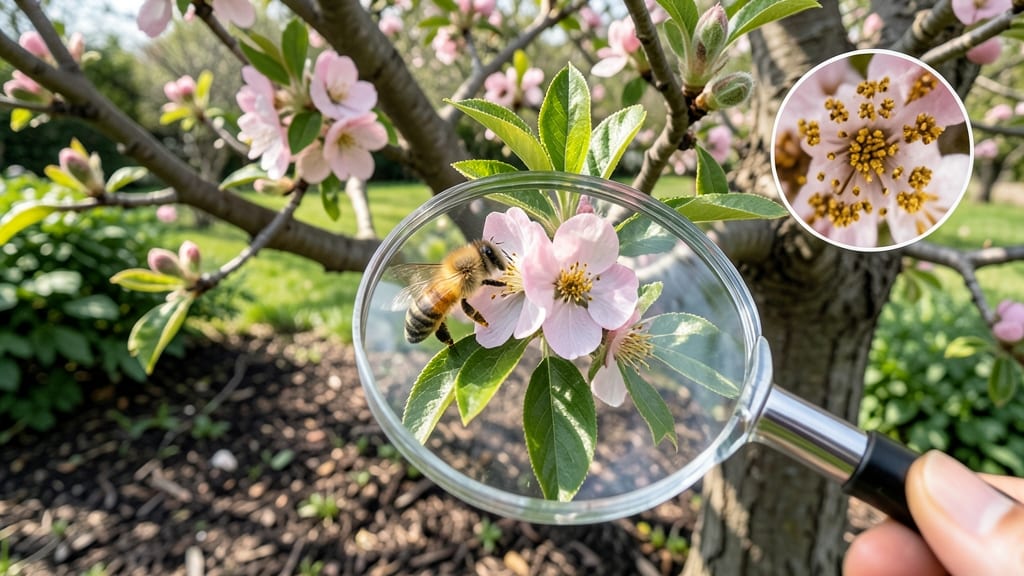
Hand-pollinating fruit trees can double your harvest when bees aren't enough. 🌳 I learned this after years of thin apple and peach crops—now I get heavy branches that bend under the weight of fruit. The secret is timing, technique, and knowing when to step in.
You'll need a soft paintbrush, a spray bottle with water, and patience on warm, dry days when flowers are open. Most fruit trees bloom for just 7-10 days, so don't wait too long. The best candidates are apples, peaches, pears, and cherries—these respond dramatically to extra attention.
With just 10 minutes a day, you'll see plump fruits forming where blossoms once stood. The key is gentle pressure on each flower's center to release pollen. By mid-summer, you'll be picking fruit that's sweeter and more abundant than ever before.
This works for backyard orchards, container-grown trees, and even patio-sized varieties. Here's how to make every blossom count!
📚 In This Guide
- What you need
- Instructions
- Tips and common mistakes
- Wrapping up and next steps
What you need
- ● Paintbrushes or cotton swabs: 2–3 soft, clean brushes (size #4 or smaller) or cotton swabs. Avoid synthetic fibers—they can damage delicate flower parts!
- ● Water spray bottle: 1 (8–16 oz) with a fine mist setting to dampen flowers before pollination.
- ● Notebook & pen: To track pollination dates and tree progress.
- ○ Gloves (optional but recommended): Lightweight, breathable gloves (e.g., nitrile or cotton) to protect hands from sap or thorns.
- ● Ladder or step stool: Sturdy and tall enough to reach tree branches safely (check weight limit for your tree!).
- ● Pruning shears: Small, sharp pair for trimming dead flowers or branches post-pollination.
- ○ Honey or sugar water (1:1 ratio): 1 cup (for optional post-pollination flower feed to attract bees—if you’re sharing the job with nature!).
- ● Timer or phone alarm: To remind you to pollinate at the right time (early morning or late afternoon).
- ● Know your tree’s flowering window—most fruit trees bloom for 1–2 weeks. Act fast!
- ● Identify male and female flowers (if applicable; some trees are self-pollinating).
- ● Check for bees or other pollinators already active—if they’re doing the job, you might not need to intervene!
- ● Ensure flowers are fully open (petals unfurled) but not wilting.
How to hand-pollinate fruit trees for maximum fruit set
Here's the simple method I use to boost fruit production—no bees required.
🌿 Step 1: Identify the Right Time for Pollination
Pollinate when flowers are fully open but still fresh—usually in the morning after dew dries. Look for petals that have unfurled completely but haven't started wilting. I check my trees every 2-3 days during bloom season, as timing matters more than anything else.
If you miss the window, flowers will drop naturally. The goal is to mimic how bees transfer pollen between flowers of the same variety. For most fruit trees, this means working when temperatures stay above 55°F—cold slows pollen transfer.
☀️ Step 2: Gather Pollen from Open Flowers
Select healthy, open flowers with visible anthers (the yellow pollen-producing parts). Gently tap the anthers with your finger or a small paintbrush to release pollen onto a clean, dry surface. I use a small white plate or piece of paper—it makes the pollen easy to see and collect.
Don't crush the anthers. A light touch releases enough pollen for multiple flowers. If you're working with a single tree, move to another branch to collect pollen from different flowers—this increases genetic diversity and stronger fruit set.
💧 Step 3: Transfer Pollen to Stigma
Locate the stigma—the sticky, often red or green tip in the center of each flower. Use a clean paintbrush or cotton swab to pick up pollen, then gently brush it onto the stigma. You'll know you've done it right when the stigma looks dusted with yellow powder.
Work systematically, moving from tree to tree if you have multiple varieties. I label each tree with a flag so I don't accidentally cross-pollinate incompatible varieties. One mistake I made early on was skipping this step—flowers just dropped without setting fruit.
⏰ Step 4: Repeat Daily Until Bloom Ends
Hand-pollination requires consistency. Repeat the process every 1-2 days until all flowers have finished blooming. Most fruit trees need 3-5 days of active pollination for maximum fruit set. Keep track by marking branches with a ribbon or flag once you've pollinated them.
Watch for tiny fruitlets forming within 7-10 days. If you see them drop before growing larger, you may need to pollinate again or check for environmental stressors like extreme heat or drought.
🌱 Step 5: Support Fruit Development
After pollination, focus on watering and nutrition. Fruit trees need 1-2 inches of water weekly during fruit set. I use a soaker hose to keep moisture consistent without wetting the leaves, which helps prevent fungal diseases.
Thin fruitlets when they're 1 inch in diameter to prevent overloading the tree. This ensures larger, healthier fruit. Remove any misshapen or damaged fruitlets first—they won't develop properly anyway.
Tips & tricks for perfect fruit tree pollination
Real talk: Hand-pollination might seem intimidating, but these simple tricks will help you mimic bees like a pro and get that bumper harvest you're dreaming of.
Timing is Everything: The 2-3 day check-in window in Step 1 is your golden opportunity. I've learned this the hard way—when I waited until flowers started wilting, the fruit set dropped by nearly 40%. Always work in the morning when dew has dried but temperatures stay above 55°F. If you're unsure about the temperature, use your hand as a guide: if it feels cool but not cold, you're good to go.
The Technique That Changed Everything: For Step 2, I now use a small makeup brush instead of my finger. It gives me more control and collects pollen more efficiently without damaging the delicate anthers. Pro tip: Tap the brush against the anthers lightly—think of it like dusting, not scrubbing. You'll know you've got enough pollen when you can see a fine yellow dust on the brush.
Systematic Approach: In Step 3, I've started using colored flags to mark branches after pollination. This prevents double-pollination and helps me track which flowers still need attention. I also recommend working from the inside of the tree outward—this way, you naturally move from flower to flower without missing spots. Between us, I once skipped this step and ended up with half my blossoms unpollinated.
Post-Pollination Care: After you've done all the hard work in Steps 1-4, don't forget the 1-2 inches of water weekly mentioned in Step 5. I've found that using a soaker hose right at the drip line (not on the leaves) makes all the difference. This keeps the roots happy while preventing fungal issues that can stress your tree. And remember—thinning those 1-inch fruitlets might feel cruel, but it's worth it for the size and quality of your final harvest.
Pro Tips for Pollinate Fruit Trees
- Real talk: Hand-pollination might seem intimidating, but these simple tricks will help you mimic bees like a pro and get that bumper harvest you're dreaming of.
- Timing is Everything: The 2-3 day check-in window in Step 1 is your golden opportunity.
- The Technique That Changed Everything: For Step 2, I now use a small makeup brush instead of my finger.
Frequently asked questions
Got questions about hand-pollinating fruit trees? You’re not alone! Here are answers to the most common queries to help you grow that dream harvest.
How do I know if my fruit tree needs hand-pollination?
If your tree has plenty of flowers but few (or no) fruits, it might need a little help. Check for low bee activity in your area, poor weather during bloom, or self-incompatible varieties (like some apples or cherries). If flowers aren’t dropping after a week, try hand-pollinating!
What’s the best time of day to pollinate fruit trees?
Pollinate on mild, dry mornings (6–10 AM) when flowers are fully open and pollen is fresh. Avoid midday heat or windy days—pollen clumps and loses potency. Pro tip: Work when bees are least active to avoid competition!
Can I use a paintbrush instead of a cotton swab?
A small, soft paintbrush (like a makeup brush) works great for larger flowers (e.g., peaches, plums). For delicate blossoms (e.g., blueberries), cotton swabs are gentler. Just sterilize your tools with rubbing alcohol between trees to prevent disease spread.
What if my tree blooms during a cold snap? Can I still pollinate?
Cold weather slows pollen release, but you can still help! Gently warm flowers in sunlight for 10–15 minutes before pollinating. If buds are frozen, wait until they thaw—never force open damaged flowers. Patience pays off!
How do I tell if hand-pollination worked?
Success signs include:
- Flowers dropping (normal post-pollination)
- Small fruitlets forming (pea-sized bumps)
- Bees ignoring the tree (they’ll move on if pollination’s done!)
Wrapping up and next steps
Pollinating fruit trees by hand is a rewarding way to boost your harvest—whether you’re dealing with a small garden or a few stubborn trees! 🌳 With the right tools, timing, and technique, you can turn missed pollination into a bounty of sweet, juicy fruit.
Start small, practice patience, and soon you’ll be enjoying the fruits of your labor (literally!).
Your next step? Grab your brush or paintbrush and give it a try—your future harvest will thank you! 🍎🍑