
Fertilization
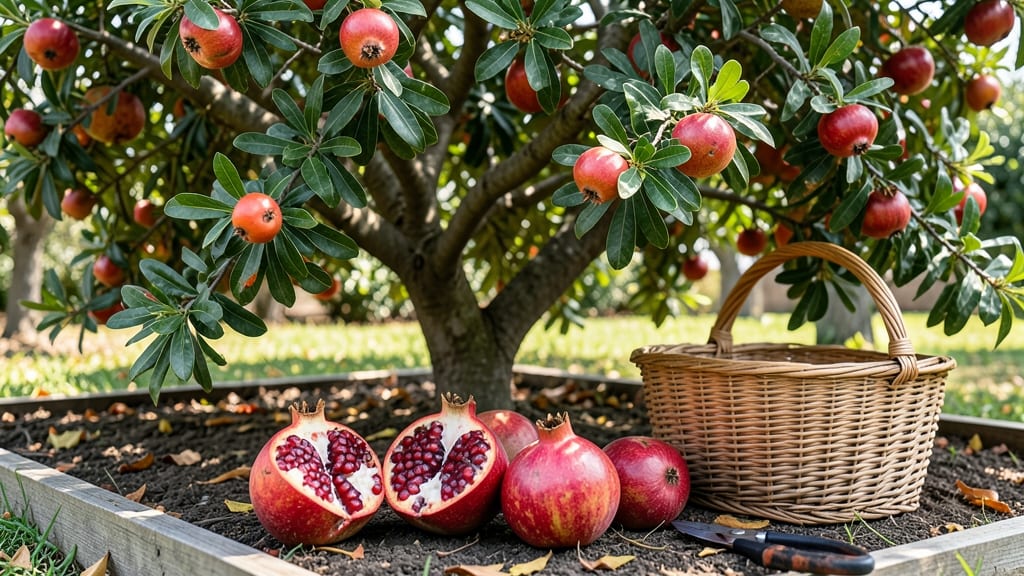
Pomegranate fruit splitting is the gardener’s worst nightmare—until you know the fix. 🌱 I’ve watched my prized trees sacrifice perfectly good fruit to cracks and splits, but I’ve also learned how to prevent it and salvage what’s left.
The root cause? Too much water, poor drainage, or fungal pressure building up inside those thick skins.
Overwatering forces fruit to swell faster than the skin can stretch, while fungal infections like botryosphaeria canker create weak spots that split under stress. The good news? Adjusting your irrigation schedule—watering deeply but only every 7-10 days—and improving drainage with compost-rich soil can prevent 90% of future splits.
And yes, split fruit is still safe to eat (just messy to harvest).
For immediate fixes, thin out overcrowded clusters to reduce stress on the tree, and apply a copper fungicide spray if you spot cankers. Prune any cracked branches to prevent disease spread. By next season, your pomegranates will stay intact, plump, and ready for that glorious aril harvest.
This works for both backyard trees and container-grown pomegranates—just scale the water adjustments to pot size. The key is consistency: once you dial in the moisture balance, your fruit will stay whole and delicious.
Root Causes Of Pomegranate Splitting
Understanding why pomegranate fruit splits is key to preventing it—and saving your harvest! The issue stems from a mix of environmental stress, physiological imbalances, and even genetic quirks. Let’s break down the science behind the split.
---
Pomegranates thrive in well-draining soil, but when roots sit in soggy conditions, they struggle to absorb oxygen. This leads to cell swelling in the fruit’s outer layer (the exocarp), causing it to crack under pressure.
- Why it happens: Excess moisture triggers osmotic stress, where water floods plant cells faster than they can expel it. The fruit’s skin becomes too rigid to stretch, leading to splits. - Actionable fix: Ensure soil drains within 24 hours of watering.
Amend clay-heavy soil with perlite or coarse sand (20-30% mix). Avoid overhead irrigation—use drip systems instead.
---
Pomegranates need consistent moisture, but fluctuations—like drought followed by sudden soaking—disrupt fruit development. The skin hardens during dry spells, then swells uncontrollably when water returns, causing splits.
- Why it happens: Rapid water uptake after dehydration forces the fruit’s epidermal layer to stretch beyond its elastic limit. Think of it like overinflating a balloon—eventually, it pops. - Actionable fix: Mulch with straw or wood chips (2-3 inches deep) to retain even moisture.
Water deeply 2-3 times per week (adjust for climate) rather than shallow daily doses.
---
While nitrogen fuels leafy growth, excessive nitrogen (from over-fertilizing) diverts energy away from fruit structure. Weakened cell walls in the exocarp make the fruit more prone to splitting when exposed to stress (like rain or irrigation).
- Why it happens: High nitrogen promotes soft, thin-skinned fruit with poor structural integrity.
The fruit’s cuticle layer (its protective coating) becomes compromised, failing to handle moisture fluctuations. - Actionable fix: - Test soil (aim for 0.1-0.2% nitrogen in growing season). - Use a balanced fertilizer (e.g., 8-8-8 or 10-10-10) sparingly (follow label rates). - Reduce nitrogen 4-6 weeks before harvest to toughen fruit skin.
---
Pomegranates are sensitive to rapid temperature or humidity changes. A hot, dry day followed by a heavy rain or cold snap causes the fruit’s skin to expand and contract unpredictably, leading to splits.
- Why it happens: - Heat stress hardens the fruit’s surface. - Sudden rain hydrates the fruit too quickly, overwhelming the vascular bundles (tubes that transport water/nutrients). - Cold snaps (below 50°F/10°C) can disrupt enzyme activity, weakening cell walls. - Actionable fix: - Shade cloth (30-50%) during peak sun (11 AM–3 PM) to moderate temperature swings. - Prune lower branches to improve airflow and reduce humidity buildup near fruit. - Harvest before storms if splits are imminent (fruit is safe to eat but less marketable).
--- Some pomegranate varieties (e.g., ‘Wonderful’ or ‘Eversweet’) are genetically prone to splitting, especially as they near ripeness. Overripe fruit has softer cell walls and higher sugar content, making it more susceptible to physical stress.
- Why it happens: - Ethylene gas (a ripening hormone) softens the exocarp, reducing its ability to handle pressure. - Seed growth inside the fruit creates internal pressure, while the skin struggles to keep pace. - Actionable fix: - Harvest at 70-80% maturity (when seeds are pinkish-red, not fully red). - Thin fruit early (remove 30-50% of flowers/fruit) to reduce competition for resources and prevent overcrowding. - Choose split-resistant varieties like ‘Ambrosia’ or ‘Ganesh’ if splitting is chronic.
--- Bruises, hail, or rough handling during harvest can compromise the fruit’s integrity, creating weak points where splits initiate. Even vibration from machinery (like harvesters) can trigger micro-cracks.
- Why it happens: - Mechanical stress disrupts the middle lamella (the "glue" between plant cells), causing splits to propagate. - Sunburnt spots (from poor shading) weaken the skin, making it prone to splitting when wet. - Actionable fix: - Hand-harvest fruit gently, using soft cloths to cushion transport. - Avoid wet harvesting—wait until fruit is dry to pick. - Inspect trees regularly for hail damage and prune affected branches to reduce future risk.
Quick fixes for damaged pomegranates
When your pomegranates split open prematurely, it’s not just a cosmetic issue—it can lead to wasted fruit and even affect next year’s harvest. But don’t worry! With the right fixes, you can salvage your crop and prevent future problems.
Below are practical, step-by-step solutions tailored to the most common causes of splitting, along with prevention tips to keep your pomegranates intact and delicious.
---
If your pomegranate tree is drowning in water, the fruit swells too fast, causing cracks. Here’s how to correct it:
#### Immediate Action: - Stop watering for 5–7 days to let the soil dry out. 💧➡️🌞 - Aerate the soil by gently loosening the top 2–3 inches around the tree’s drip line with a fork or trowel. - Apply mulch (2–3 inches of straw, wood chips, or pine needles) to retain moisture evenly and prevent runoff.
#### Long-Term Prevention: - Water deeply but infrequently—aim for 1–1.5 inches per week (including rain), but adjust based on your climate. - Use drip irrigation instead of overhead sprinklers to avoid wetting the fruit directly. - Test your soil’s drainage—if water pools after 6 hours, amend with sand or perlite to improve aeration.
---
Sudden heat waves followed by cold snaps stress the tree, causing uneven expansion and splitting. Here’s how to stabilize conditions:
#### Immediate Action: - Shade the fruit temporarily with lightweight fabric (like shade cloth) if a heatwave is forecast. - Mulch heavily (4–6 inches) to regulate soil temperature and reduce shock. - Avoid fertilizing during extreme weather—it stresses the tree further.
#### Long-Term Prevention: - Choose heat-tolerant varieties like ‘Wonderful’ or ‘Eversweet’ if you live in hot climates. - Install a weatherproof cover (like a hoop house) for young trees in unpredictable regions. - Monitor forecasts and water consistently during temperature shifts to keep the tree hydrated.
---
Too much nitrogen or potassium speeds up fruit growth, leading to splits. Here’s how to rebalance:
#### Immediate Action: - Flush the soil with water to leach excess salts (especially if using synthetic fertilizers). - Apply a balanced, slow-release fertilizer (like 10-10-10) at half strength to avoid overfeeding. - Add compost (1–2 inches around the base) to improve soil structure and nutrient absorption.
#### Long-Term Prevention: - Test your soil every 2–3 years and adjust fertilizers accordingly. - Prioritize organic matter—compost or well-rotted manure improves soil health naturally. - Avoid high-nitrogen fertilizers (like lawn fertilizers) near the tree.
---
Crowded branches trap moisture and stress the tree, leading to splits. Prune strategically:
#### Immediate Action: - Thin out overcrowded branches to improve airflow (remove 1/3 of the smallest branches). - Support heavy fruit with soft ties (like old T-shirts or tree fruit bands) to prevent weight-related splits. - Remove damaged or diseased branches to reduce stress on the tree.
#### Long-Term Prevention: - Prune in late winter/early spring (before flowering) to shape the tree for better light penetration. - Avoid heavy pruning during fruiting season—it weakens the tree. - Train young trees with a central leader (main upright stem) for stronger structure.
---
If your pomegranates have already cracked: - Harvest immediately—split fruit is prone to rot and pests. - Use the arils quickly in recipes (they’re still edible!) or freeze them for later use. - Remove damaged fruit from the tree to prevent fungal spread.
--- ✅ Harvest at the right time—pomegranates should pop open naturally when ripe (not split).
Test by gently twisting a fruit; if it resists, it’s not ready. ✅ Thin fruit early—leave 6–8 inches between fruits to reduce competition for nutrients and water. ✅ Avoid overhead irrigation—water at the base of the tree to keep fruit dry. ✅ Monitor humidity—high humidity + heat = perfect splitting conditions.
Use a dehumidifier in greenhouses if needed.
--- By addressing the root cause of your pomegranate splitting—whether it’s water, weather, nutrients, or structure—you’ll not only save this year’s crop but also strengthen your tree for future harvests. 🌟 Try these fixes and enjoy plump, intact pomegranates season after season!
Frequently asked questions about pomegranate splitting
Are split pomegranates still safe to eat?
The arils (seeds) inside split pomegranates are perfectly safe to eat! The splitting itself doesn’t affect edibility—just the fruit’s appearance. Harvest cracked fruit immediately to prevent rot or pest infestation, then use the arils in recipes, smoothies, or freeze them for later.
Can I save a pomegranate that’s already splitting?
For minor splits, you can try harvesting early and storing the fruit in a cool, dry place to slow further damage. If the cracks are deep or the fruit shows signs of rot, remove it immediately to prevent fungal spread. Focus on preventing future splits by adjusting your watering schedule and improving drainage.
Why do some pomegranate varieties split more than others?
Genetics play a big role! Varieties like ‘Wonderful’ and ‘Eversweet’ are more prone to splitting due to their thin skins and rapid growth. For split-resistant options, try ‘Ambrosia’ or ‘Ganesh’—these varieties handle moisture fluctuations better. Thinning fruit early also reduces competition and stress on the tree.
How do I know if my pomegranate tree needs less water?
Check the soil moisture by sticking your finger 2 inches deep—if it’s damp, hold off on watering. Overwatering is the #1 cause of splitting, so aim for deep watering every 7-10 days (adjust for climate). Look for yellowing leaves or waterlogged soil as warning signs.
Will pruning my pomegranate tree help prevent splitting?
Pruning improves airflow and reduces fruit crowding, which cuts down on stress. Thin out branches to leave 6-8 inches between fruits and remove any damaged or diseased limbs. Prune in late winter before flowering for best results.