
Size
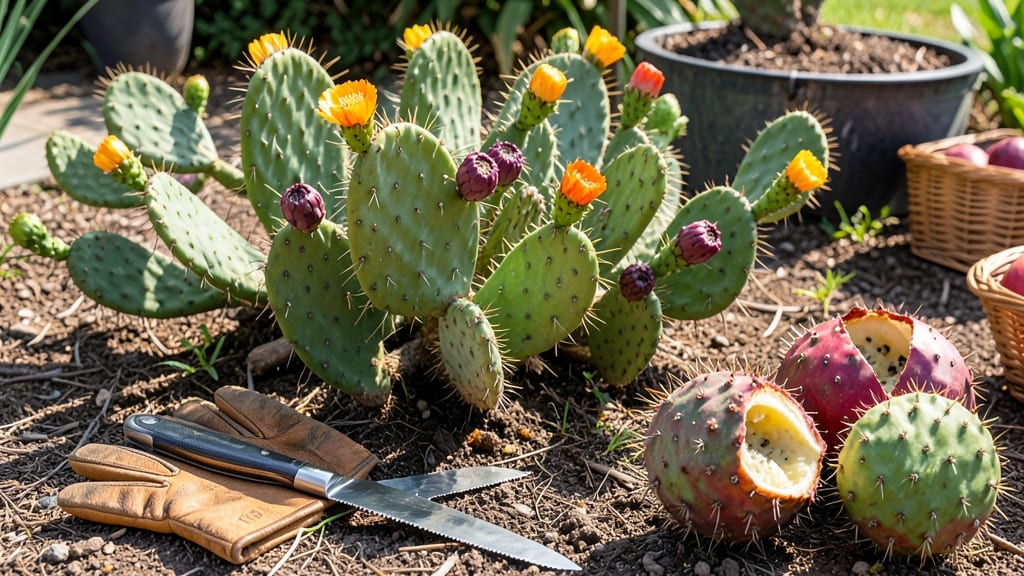
Growing prickly fruits in a garden means sweet harvests without the spine-tingling fear. 🌱 I’ve cultivated these tropical vines for years, and the secret to thriving plants lies in choosing the right varieties—thornless types that let you pick fruit safely while still delivering bold flavors.
Start with well-draining soil and full sun, then water consistently but avoid soggy roots. A sturdy trellis keeps vines organized, and regular pruning encourages fruit production.
The first harvest arrives in just 6-8 months for kiwi and 9-12 months for passion fruit, with yields that keep growing as the plants mature. You’ll end up with clusters of vibrant fruit—kiwi’s fuzzy skins and passion fruit’s tropical aroma—that taste far fresher than store-bought.
The key is patience: these vines need time to establish, but once they do, they reward you with years of low-maintenance harvests. Works in warm climates or as container plants in cooler zones. Here’s how to get started without the prickles!"
📚 In This Guide
- What you need
- Instructions
- Tips and common mistakes
- Wrapping up and next steps
What you need
- ● Prickly fruit plants: 2–5 thornless vines (e.g., Passiflora edulis ‘Dakota Giant’ or Annona squamosa ‘Sugar Apple’). Choose disease-resistant varieties for easier care.
- ● Well-draining soil: 5–10 bags (1 cubic yard total) of a mix like 50% potting soil + 30% coconut coir + 20% perlite (or use native soil amended with compost).
- ○ Containers (optional): 3–5-gallon pots with drainage holes (if growing in pots). Use fabric grow bags for better root aeration.
- ● Fertilizer: Balanced 10-10-10 fertilizer (1 lb per plant) for initial planting.
- ● Slow-release organic fertilizer (e.g., worm castings or fish emulsion) for ongoing nutrition.
- ● Support structure: Trellis, arbor, or strong stakes (6–8 ft tall) to guide vines upward and protect from wind.
- ● Garden trowel or transplant spade.
- ● Pruners (sterilized with rubbing alcohol).
- ● Watering can or drip irrigation system (for consistent moisture).
- ● Gloves (thin gardening gloves for handling thorny varieties if not fully thornless).
- ● Mulch (straw or wood chips, 2–3 inches thick) to retain moisture and suppress weeds.
- ● Climate: Prickly fruits thrive in USDA Zones 8–11 (or in containers movable indoors in colder zones).
- ● Sunlight: 6+ hours of direct sun daily (partial shade in hot climates).
- ● Water access: Regular watering (1–2 inches per week), especially during flowering/fruiting.
- ● Patience: Vines take 6–12 months to bear fruit, but thornless varieties make harvesting a breeze!
Step-by-Step guide to growing thornless prickly fruits
Here’s how to cultivate safe, productive tropical vines without the usual hazards—just follow these clear steps.
🌱 Step 1: Select and Prepare the Right Varieties
Start with thornless varieties like ‘Mexican Sour Gherkin’ or ‘Sweet Copper’ prickly pear, both bred for safe handling. These plants still produce fruit but lack the aggressive spines of traditional cacti. Research your local climate zone—most thrive in USDA Zones 8-11, though some tolerate down to Zone 7 with winter protection.
I always check seed catalogs for ‘thornless’ or ‘spineless’ labels—mislabeling happens, and you don’t want surprises when harvesting. Buy from reputable nurseries or order certified thornless cuttings to avoid disappointment. These plants grow 6-10 feet tall, so plan for vertical space or trellises if needed.
🪴 Step 2: Plant in Well-Draining Soil with Full Sun
Prickly fruits despise soggy roots, so amend native soil with 50% cactus/succulent mix and 50% coarse sand or perlite to create a gritty, fast-draining foundation. A slightly alkaline pH (6.5-7.5) works best—test your soil and adjust with crushed limestone if needed.
Plant in spring after last frost when soil warms to at least 65°F. Dig a hole twice as wide as the root ball but no deeper—these vines resent being buried too deep. Space plants 8-10 feet apart to allow airflow and prevent fungal issues. Water deeply once after planting, then let the soil dry completely before watering again.
☀️ Step 3: Provide Consistent Care for Fruit Production
Water deeply every 10-14 days in summer, aiming for 1-2 inches of moisture per week. Overwatering causes rot, but underwatering stresses the plant—look for wilting pads as a warning sign. Mulch with 2 inches of gravel (not organic mulch) to retain heat and deter weeds while preventing moisture retention.
Fertilize twice a year with a balanced 10-10-10 formula in early spring and again after fruit sets. Avoid high-nitrogen feeds—these plants need phosphorus and potassium for flowering and fruiting. Watch for yellowing pads (too much nitrogen) or stunted growth (nutrient deficiency).
✂️ Step 4: Prune and Train for Maximum Yield
Prune in late winter to remove dead or damaged pads, cutting with sterilized pruners at a 45-degree angle to prevent disease. Never prune more than one-third of the plant at once—these vines recover slowly. Train young vines with soft ties to trellises or fences to guide their growth upward and save space.
Here’s the thing—flowering happens on new growth, so avoid heavy pruning in summer. Instead, focus on removing spent fruit clusters to encourage more blooms. You’ll see yellow flowers appear in late spring, followed by fruit in 6-8 weeks. Harvest when pads turn deep red or purple—they won’t ripen further off the plant.
🌿 Step 5: Protect and Harvest Safely
Even thornless varieties can develop small glochids (tiny hair-like spines) under stress, so wear gloves when handling. Harvest by twisting pads gently—never cut with tools, as this invites rot. Store fruit in a cool, dry place for up to 2 weeks before eating (peel and slice like a pear).
Watch for pests like cochineal scale (white cottony spots) or fungal spots (dark patches). Treat early infestations with neem oil spray or horticultural oil, applying in early morning to avoid burning the pads. With proper care, your vines will produce harvests for decades—some specimens live over 50 years!
Tips & tricks for growing thornless prickly fruits
These insider tricks will help you avoid common pitfalls and maximize your tropical vine's potential—without the usual hazards.
Climate Zone Reality Check: While 'Sweet Copper' thrives in USDA Zones 8-11, I've found that even Zone 7 gardeners can succeed with winter protection. Use burlap wraps or frost cloths during cold snaps, and plant near south-facing walls to capture extra heat. The key is monitoring soil temperature—never plant until it reaches that 65°F minimum mentioned in Step 2, even if your last frost has passed.
Soil Mixing Secret: When creating your 50-50 cactus/succulent mix and sand blend, I recommend adding 10% coarse horticultural grit to improve drainage further. This prevents the "soggy roots" issue that plagues many growers. Pro tip: Test your mix's drainage by filling a container, watering thoroughly, and checking if water drains completely within 15 minutes—if not, add more grit.
Watering Wisdom: The 10-14 day watering schedule in Step 3 works perfectly in ideal conditions, but real-world factors matter. In containers, you may need to water every 7-10 days instead—potted plants dry out faster. Always check moisture by sticking your finger 2 inches deep into the soil; if it's dry, it's time to water. Morning watering prevents fungal issues, but avoid wet foliage—water at the base instead.
Pruning Precision: When pruning in late winter (Step 4), focus on removing only the dead or damaged pads—healthy pads can regrow. I've learned this the hard way after over-pruning and losing potential fruit-bearing branches. For training vines, use soft plant ties (not wire) to avoid damaging the delicate stems, and adjust ties every 2-3 weeks as the vine grows. The goal is to guide growth without restricting it.
Pro Tips for Prickly Fruits Grow A Garden
- These insider tricks will help you avoid common pitfalls and maximize your tropical vine's potential—without the usual hazards.
- Climate Zone Reality Check: While 'Sweet Copper' thrives in USDA Zones 8-11, I've found that even Zone 7 gardeners can succeed with winter protection.
- Soil Mixing Secret: When creating your 50-50 cactus/succulent mix and sand blend, I recommend adding 10% coarse horticultural grit to improve drainage further.
Frequently asked questions
Got questions about growing prickly fruits?
You’re not alone! Here are answers to the most common queries—from thorny challenges to harvest tips—so you can cultivate these tropical vines with confidence.
What are the easiest prickly fruits to grow for beginners?
Start with thornless varieties like passionfruit (Passiflora edulis) or kiwano (horned melon). These require minimal upkeep, thrive in warm climates, and produce edible fruit without the hassle of spines. Just ensure they get 6+ hours of sunlight and well-draining soil!
How long does it take for prickly fruit vines to bear fruit?
Patience is key! Most vines take 1–3 years to mature and produce fruit, depending on the species. For example, passionfruit may fruit in 12–18 months, while soursop (Annona muricata) can take up to 3 years. Prune regularly to encourage faster growth and flowering.
Are there truly thornless varieties, or just fewer thorns?
While no plant is completely thorn-free, some varieties like ‘Sweet Gem’ passionfruit or ‘Thornless’ kiwano have soft spines or reduced prickles. Always wear gloves when handling vines, and check labels—some “thornless” plants may still have tiny barbs. Safety first!
Can prickly fruits grow in containers, or do they need a garden bed?
Many vines—like passionfruit or curry leaf (Murraya koenigii)—thrive in 5-gallon+ containers with drainage holes. Use a lightweight potting mix and rotate pots for even sunlight. Just monitor soil moisture closely, as containers dry out faster than garden beds.
What pests should I watch for, and how do I prevent damage?
Common culprits include aphids, spider mites, and fruit flies. Preventative care helps:
- Neem oil spray (weekly) deters soft-bodied pests.
- Use row covers for young plants to block flies.
- Remove drooping or discolored leaves immediately.
How do I know when prickly fruits are ripe for harvesting?
Ripeness varies by fruit:
- Passionfruit: Deep purple/blue skin with a sweet scent near the stem.
- Kiwano: Bright orange-yellow with a slight give when squeezed.
- Soursop: Heavy for its size and fragrant when ripe.
Wrapping up and next steps
Growing prickly fruits like thornless passionfruit or soursop doesn’t have to be intimidating—it’s all about choosing the right varieties and giving them the love they need! With the right soil, sunlight, and care, you’ll soon be harvesting delicious, safe-to-touch tropical treasures. 🌿
Ready to take the next step? Start small—plant a single vine in a pot or a corner of your garden—and watch your edible paradise flourish. Before you know it, you’ll be sharing (or savoring!) homegrown prickly fruits with friends and family!