
Vegetables
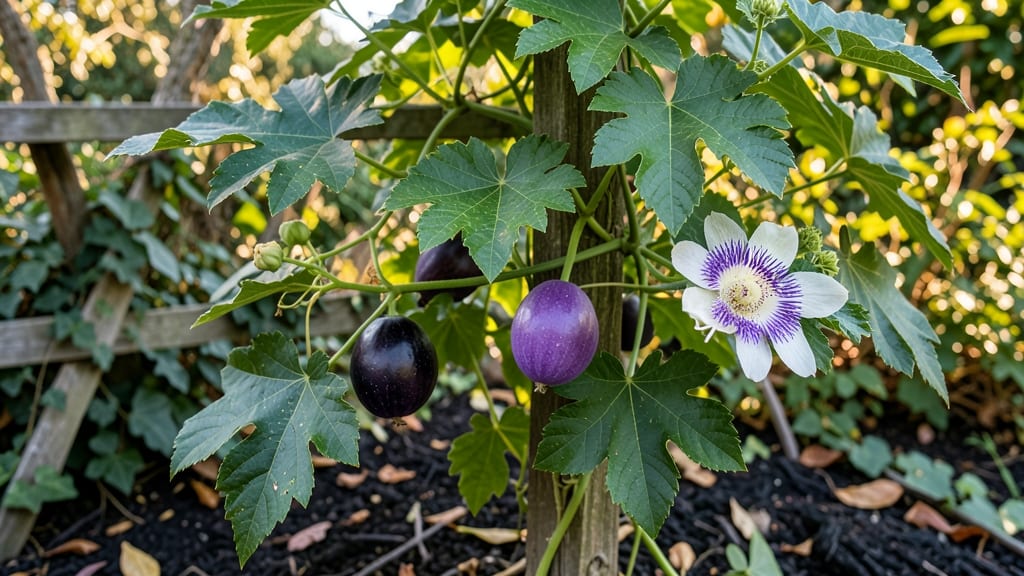
South American purple fruits such as purple corn, açaí berries, and jabuticaba flourish in warm climates, bringing bold hues and rich nutrients to gardens and dishes. Selecting the right varieties for your local conditions ensures vibrant growth and delicious harvests.
These vibrant fruits aren't just visually stunning—they're packed with antioxidants like anthocyanins, which give them their deep purple color and boost health benefits. 🌿 For example, purple corn contains nearly twice the antioxidants of regular corn, while açaí berries are a superfood staple in smoothie bowls.
The key to growing them successfully lies in mimicking their native tropical environments, whether you're planting in containers or garden beds.
Many of these fruits thrive in USDA zones 10-12, where temperatures stay consistently warm, but some varieties like purple passionfruit can adapt to zones 9-11 with proper care.
The soil should be well-draining and slightly acidic (pH 5.5-6.5), and most need full sun exposure (6+ hours daily) to produce their signature vibrant colors and sweet flavors.
💡 In This Article
- Climate and Soil Requirements for Growing Purple Fruits
- Step-by-Step Guide to Cultivating Purple Fruit Plants at Home
Climate and soil requirements for growing purple fruits
South American purple fruits evolved in tropical and subtropical climates where consistent warmth and high humidity create ideal growing conditions. For instance, purple corn (Zea mays) thrives in temperatures between 70-90°F, while camu camu (Myrciaria dubia) prefers 75-85°F with near-constant moisture.
These plants originate from regions like the Amazon basin, where annual rainfall exceeds 60 inches—far more than most U.S. gardens receive. Without proper humidity (ideally 70-90%), fruits may develop poorly or fail to ripen fully.
The vibrant purple hues in these fruits come from anthocyanins, which require specific growing conditions to develop properly.
Purple corn, for example, needs full sun exposure (6-8 hours daily) to maximize pigment production, while açaí palms (Euterpe oleracea) tolerate partial shade but still need at least 4 hours of direct sunlight.
Soil pH plays a crucial role too—most purple fruits prefer slightly acidic conditions between 5.5-6.5. Jabuticaba trees (Plinia cauliflora), native to Brazil, grow best in well-draining, sandy loam soils with a pH of 5.0-6.0, while camu camu thrives in swampy, nutrient-rich soils.
One common mistake gardeners make is assuming all purple fruits need identical care. In reality, some—like purple passionfruit (Passiflora edulis)—can tolerate slightly cooler temperatures (60-85°F) and drier conditions, making them better suited for USDA zones 9-11.
Others, like camu camu, are far more sensitive to temperature fluctuations and require near-tropical conditions to produce fruit. 🌱 The key is matching the plant's native climate as closely as possible, especially when growing in containers where temperature control is limited.
Poor drainage is another silent killer of purple fruit plants. Many South American varieties, such as açaí palms, grow naturally in flooded or waterlogged soils but need excellent drainage to prevent root rot.
Amending clay soils with organic matter like compost or coconut coir can help, while raised beds or containers with drainage holes are essential for urban gardeners. Overwatering is just as damaging as underwatering—these plants typically need 1-2 inches of water weekly, but the soil should never stay soggy.
For gardeners in cooler climates, microclimates can be a game-changer. Planting purple fruits near south-facing walls, using black plastic mulch to absorb heat, or choosing cold-hardy varieties like purple passionfruit can extend the growing season.
Some enthusiasts even use grow lights or shade cloths to simulate tropical conditions during cooler months. The goal is to replicate the consistent warmth and humidity these fruits evolved with, even in less-than-ideal locations.
Nutrient deficiencies can also stifle growth and color development. Purple fruits are heavy feeders, particularly during fruiting season, and benefit from regular applications of nitrogen, phosphorus, and potassium.
A balanced organic fertilizer (like 5-5-5 NPK) applied every 4-6 weeks during the growing season helps maintain vibrant foliage and fruit color. Additionally, magnesium and calcium supplements can prevent issues like blossom-end rot in passionfruit or chlorosis (yellowing leaves) in açaí palms.