
Pests
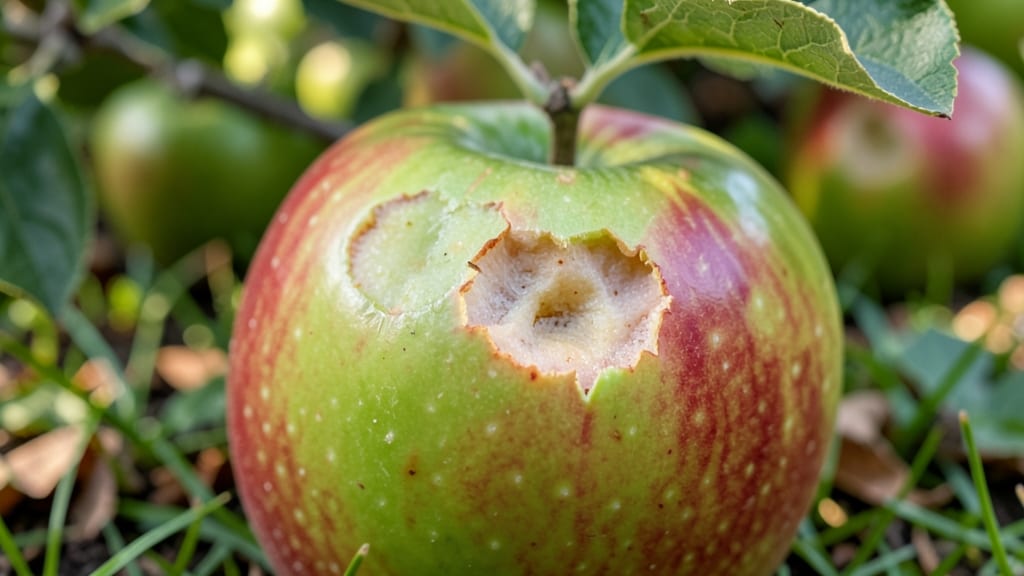
Squirrel bite marks on fruit turn your hard-earned harvest into a game of "find the missing piece." 🐿️ I’ve watched my peaches and apples get picked clean overnight—until I learned these simple tricks that actually work.
The key isn’t just chasing them away; it’s making your garden less appealing than the forest floor. Start with netting over trees or bushes—it’s the only foolproof way to keep squirrels out without chemicals.
I use lightweight bird netting (cheap at garden centers) and secure it tightly so they can’t chew through. For smaller plants, repellents like hot pepper spray or predator urine (yes, really) work surprisingly well when reapplied after rain.
You’ll see the difference within a week: no more half-eaten fruit, no more sneaky critters stealing your labor. Even better, squirrels lose interest in your yard entirely once they realize it’s not an easy snack. The best part? These methods protect your harvest without harming the animals or your soil.
For long-term success, focus on habitat changes—remove easy food sources like bird feeders near fruit trees, and plant squirrel-resistant crops like grapes or berries in containers they can’t reach. It’s a battle, but one you can win without becoming a squirrel whisperer.
📚 In This Guide
- What you need
- Instructions
- Tips and common mistakes
- Wrapping up and next steps
What you need
- ● Fruit netting or mesh: Lightweight but durable, with holes smaller than ½ inch (1.27 cm) to block squirrels. Quantity: Enough to cover all vulnerable fruit trees or plants.
- ● Sturdy twine or zip ties: For securing netting in place. Specs: UV-resistant, at least 1/8-inch (3 mm) thick.
- ● Pruning shears: Sharp and clean, for trimming branches or netting adjustments. Specs: Bypass-style for precision.
- ● Spray bottle: For applying deterrent sprays (like hot pepper spray or vinegar solutions). Size: 8–16 oz (240–470 mL).
- ● Deterrent sprays: Commercial squirrel repellents or DIY mixes (e.g., cayenne pepper + water). Note: Test on a small area first!
- ● Reflective tape or strips: To scare squirrels with movement and light reflections.
- ● Motion-activated sprinklers: For larger gardens (e.g., ScareCrow brand).
- ● Heavy-duty gloves: If handling sprays or netting in sunny/prickly conditions.
- ● Label markers: To tag trees/plants with dates for tracking squirrel activity.
Step-by-Step instructions for deterring squirrels from your fruit
Here's how I've kept my harvest safe from these clever critters—no more ruined peaches or gnawed apples.
🪴 Step 1: Inspect and Identify Problem Areas
Start by scanning your fruit trees and garden beds for fresh bite marks—look for clean, ragged edges where squirrels have taken chunks out of your produce. These pests target soft, ripe fruit, so focus on areas where fruit is nearly ready to harvest. I check my trees every morning after dawn, when squirrels are most active.
Pay attention to where they're entering your property. Squirrels often use low-hanging branches, fences, or even utility wires as highways. If you spot their trails—chewed bark, scattered husks, or tiny footprints—mark these spots for your next steps. This helps you strategize where to place deterrents most effectively.
☀️ Step 2: Use Physical Barriers to Block Access
Install fine-mesh netting (with holes smaller than ½ inch) over fruit trees and bushes before the fruit ripens. Secure it tightly with clips or weights so squirrels can't chew through or burrow underneath. I drape the netting loosely at first, then tighten it as the fruit grows to prevent tangling in branches.
For ground-level fruit like strawberries, create a protective collar using hardware cloth or chicken wire around the base of plants. Bury the edges 2-3 inches deep to prevent squirrels from digging underneath. This is especially effective for berries and melons, which are low to the ground and easy targets.
💧 Step 3: Apply Natural Deterrents
Squirrels dislike strong scents, so I sprinkle hot pepper flakes or garlic powder around the base of trees and bushes. Mix a few tablespoons with water to create a spray, then apply it to branches and leaves. Reapply every 5-7 days or after rain, as the scent washes away quickly.
Place motion-activated sprinklers near problem areas—these startle squirrels without harming them. I position mine near fruit trees where I’ve seen the most activity. The sudden burst of water sends them scurrying, and they learn to avoid the area. For a quieter option, try reflective tape or old CDs hung from branches—the flickering light confuses them.
✂️ Step 4: Remove Attractants and Clean Up
Squirrels are drawn to easy meals, so remove any fallen or overripe fruit immediately. I harvest my crops 2-3 days earlier than usual to prevent them from softening on the tree. Keep your garden free of birdseed, pet food, or other snacks that might lure them in.
Store harvested fruit in squirrel-proof containers—use mesh bags or sealed bins with tight lids. If you're dealing with a persistent problem, consider harvesting fruit at night when squirrels are less active. I’ve found that picking in the early morning hours (before 6 AM) gives me the best chance of avoiding their sharp teeth.
🌱 Step 5: Long-Term Prevention Strategies
Plant squirrel-repelling herbs like mint, rosemary, or daffodils near your fruit trees. These plants mask the scent of your crops and make the area less appealing. I also interplant thorny bushes like raspberries or blackberries around the perimeter—they create a natural barrier that squirrels avoid.
If squirrels are nesting in your trees, remove the nests in late winter or early spring before they become active. Use thick gloves and a broom to gently dislodge them—never harm the animals, but make their environment less inviting. Over time, they’ll seek out easier targets elsewhere.
Tips & tricks for protecting your fruit from squirrels
These clever critters can turn your harvest into a buffet—here's how to outsmart them before they strike.
Timing is Everything: In Step 1, when inspecting for bite marks, focus on the morning hours (before 9 AM) when squirrels are most active. I've found they're particularly bold after dawn, so checking then helps you catch early signs of trouble. This early inspection also lets you adjust barriers before they become a bigger problem.
Barrier Installation Pro Tip: When setting up the fine-mesh netting in Step 2, leave about 6 inches of extra material around the edges. This gives you room to secure it tightly without stretching the mesh, which could create weak spots squirrels might exploit. I use clothespins for small branches and heavy rocks for larger areas to keep everything snug.
Deterrent Application Strategy: For the hot pepper flakes or garlic powder in Step 3, create a stronger solution by mixing 1 tablespoon per quart of water instead of just a few tablespoons. This concentrated spray lasts longer between applications and provides better coverage. I also add a drop of dish soap to help it stick to leaves and branches.
Nighttime Harvesting Hack: If you're dealing with persistent squirrels, try harvesting in the early morning (before 6 AM) as mentioned in Step 4. I've found that squirrels are less active during these hours, giving you a better chance to collect ripe fruit without damage. For late-season crops, consider setting up temporary lights that stay on overnight—squirrels dislike bright areas.
Pro Tips for Squirrel Bite Marks On Fruit
- These clever critters can turn your harvest into a buffet—here's how to outsmart them before they strike.
- Timing is Everything: In Step 1, when inspecting for bite marks, focus on the morning hours (before 9 AM) when squirrels are most active.
- Barrier Installation Pro Tip: When setting up the fine-mesh netting in Step 2, leave about 6 inches of extra material around the edges.
Frequently asked questions
Why do squirrels bite fruit instead of just eating it?
Squirrels often bite fruit to mark it as theirs—like a territorial claim! Their teeth leave distinct puncture marks, and the scent glands in their mouths (yes, really!) add a chemical signal to warn other critters away. Plus, they may be testing for ripeness or storing it for later.
When is my fruit most at risk from squirrel bites?
Squirrels strike peak bite season during late summer and early fall when fruit is ripe and abundant. Early morning or late evening (when they’re most active) are prime times. If you notice bite marks, check your trees or bushes daily—especially for apples, peaches, and grapes, which are squirrel favorites!
What’s the best way to protect fruit from squirrel bites?
Try these effective (and humane) methods:
- Netting: Cover fruit trees or bushes with fine mesh netting before harvest.
- Spices: Sprinkle cayenne pepper or garlic powder around the base of trees—squirrels hate the smell!
- Motion-activated sprinklers: Startles them without harm.
- Harvest promptly: Pick ripe fruit as soon as it’s ready to reduce temptation.
Can I still eat fruit with squirrel bite marks?
Yes, but with caution! Squirrels are omnivores and may carry diseases like leptospirosis or parasites. Wash thoroughly with soap and water, and trim any damaged areas. If the fruit is heavily marked or moldy, toss it—better safe than sorry!
Will squirrels return if I use deterrents once?
Possibly! Squirrels are clever and may adapt if deterrents (like netting or spices) are removed. Rotate methods seasonally—try a new repellent or adjust netting placement. Consistency is key! If bites persist, consider ultrasonic repellents or professional pest control for stubborn critters.
Wrapping up and next steps
Squirrel bite marks on fruit can be frustrating, but with the right strategies, you can protect your harvest and keep your garden thriving! 🌱 From using repellents and netting to setting traps or planting deterrents, there’s a solution for every situation.
Stay proactive, and don’t let these busy little critters steal your hard work.
Ready to take action? Start by reviewing the tools you’ll need—then implement one (or more!) of the prevention methods today. Your future fruit will thank you!