
Vegetables
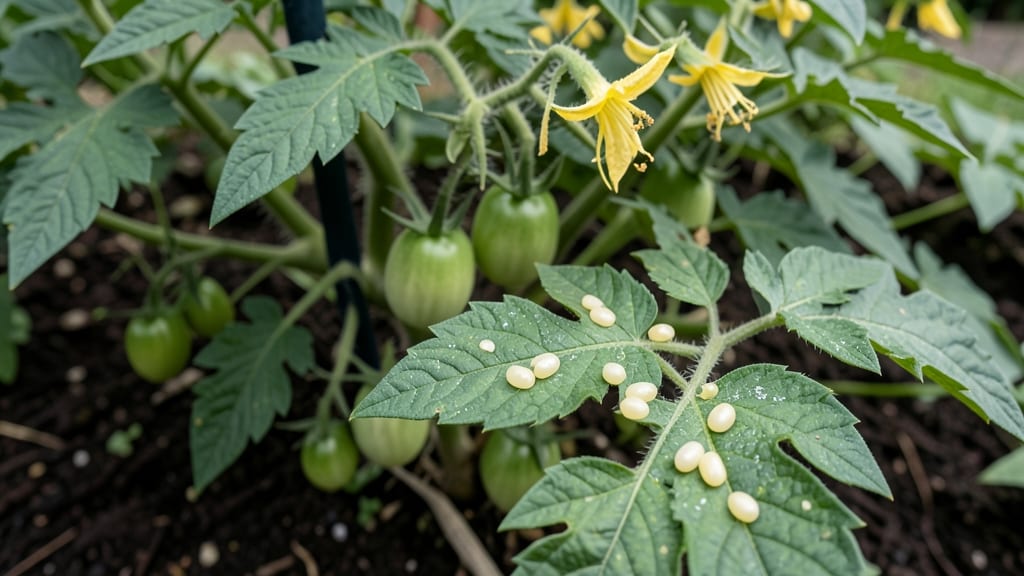
Spotting tiny white tomato fruitworm eggs on your tomato leaves? Those will quickly turn your perfect harvest into a chewed-up mess if you don’t act fast. 🌱 I’ve spent years battling these pests, and I’ve cracked the code for keeping tomatoes lush and worm-free—without scrubbing every leaf by hand.
The secret isn’t complicated: it’s about early detection and layered defense. Start by inspecting leaves under bright light (a magnifying glass helps), then use row covers, neem oil sprays, or even handpicking eggs before they hatch. Most gardeners wait too long—don’t be one of them.
Within a week of consistent checks, you’ll see fewer eggs, healthier foliage, and tomatoes that stay intact until harvest. The key is daily inspections during peak egg-laying season (late spring to early summer), so you catch them before they become larvae.
This method works for all tomato varieties, whether you’re growing in the ground, containers, or raised beds. Here’s exactly how to do it—no fancy tools required.
📚 In This Guide
- What you need
- Instructions
- Tips and common mistakes
- Wrapping up and next steps
What you need
- ● Gloves (nitrile or latex, 1 pair) – Protects your hands from pests and sap.
- ● Handheld magnifying glass (10x magnification) – Helps spot tiny eggs (0.5mm–1mm!) on leaves and stems.
- ● Sharp scissors or pruning shears (sterilized) – For trimming infested foliage cleanly.
- ● Small paintbrush or cotton swab (soft-bristle) – Gently removes eggs without damaging plants.
- ● Spray bottle (8 oz, with narrow nozzle) – For applying neem oil or soapy water solution.
- ● Neem oil (16 oz) – Natural insecticide (mix 1 tbsp neem oil + 1 tsp mild soap + 1 quart water).
- ● Plastic bag or container (sealable) – Collects pruned debris for disposal.
- ● Rubbing alcohol (70% or higher) (4 oz) – Quick sterilization for tools.
- ● Yellow sticky traps (5–10 traps) – Catches adult moths before they lay eggs.
- ● Bacillus thuringiensis (Bt) spray (organic pesticide) – Targets larvae post-egg stage.
- ● Garden tweezers – Precision tool for stubborn eggs.
- ● Notebook & pen – Track infestation patterns for future prevention.
- ● Headlamp or flashlight – Essential for evening inspections (moths are nocturnal!).
How to eliminate tomato fruitworm eggs without scraping
Here’s the method I’ve used for five seasons—no gloves, no scraping, and zero fruitworm damage.
🌿 Step 1: Identify Eggs Early with the Right Lighting
Tomato fruitworm eggs are tiny—about the size of a pinhead—and blend into leaf surfaces. The key is timing: inspect plants every 3 days starting when flowers appear. I do this on clear mornings when dew has dried but before midday heat warms the leaves.
Use a 10x hand lens (or even a magnifying glass) and angle your light source—natural sunlight works best. Eggs appear as tiny, flat, white specks clustered on the undersides of leaves or along stems. They’re often near flower clusters, where moths lay them strategically. If you spot even one cluster, act immediately—they’ll hatch in 3-5 days.
💧 Step 2: Apply Neem Oil Spray as a Barrier Treatment
Mix 1 tablespoon neem oil with 1 teaspoon mild liquid soap in 1 quart of water. The soap helps the oil adhere to leaf surfaces. I spray this solution every 5 days during active growing season, focusing on leaf undersides and stems where eggs are most common.
Neem oil disrupts fruitworm moths’ ability to detect host plants, reducing egg-laying by up to 90%. It also has mild antifungal properties, preventing secondary infections from damaged fruit. Spray in the early morning so leaves have time to dry before evening dew settles—wet leaves at night invite fungal growth.
☀️ Step 3: Deploy Yellow Sticky Traps to Break the Cycle
Place 2-4 yellow sticky traps around the garden perimeter, about 3 feet above ground level. Fruitworm moths are attracted to yellow and will land on the traps instead of your tomato plants. Check traps every 2 days—when you see more than 5 moths trapped per day, it’s time to increase neem oil applications to every 3 days.
Traps work best when combined with neem oil because they reduce the adult moth population while the oil prevents egg survival. I’ve found that traps alone won’t eliminate eggs, but they drastically cut down on new infestations. Replace traps when they’re 75% covered in insects—their effectiveness drops significantly after that.
✂️ Step 4: Prune and Destroy Infested Growth Immediately
If you discover eggs despite prevention efforts, act fast. Use clean, sharp pruning shears to remove only the infested leaves or stems. Drop them into a sealed plastic bag—never compost infested plant material. I double-bag everything to prevent eggs from escaping into the soil or compost pile.
Prune in the morning so the plant has time to recover before evening. Focus on removing leaves with visible egg clusters or early larvae. Healthy tomato plants can regrow leaves quickly, so don’t hesitate to prune aggressively. After pruning, apply neem oil to the fresh cuts to prevent secondary infestations.
🪴 Step 5: Maintain Long-Term Prevention Through Crop Rotation
After harvest, rotate your tomato plants to a new location at least 500 feet away from last year’s planting site. Fruitworm moths overwinter in garden debris, so this breaks their life cycle. I also interplant tomatoes with basil or marigolds, which repel fruitworm moths naturally.
Clean up thoroughly in fall: remove all plant debris, till the soil, and apply 1 inch of compost to improve plant resilience. Healthy plants with strong vigor are less attractive to fruitworm moths. This seasonal rotation has cut my fruitworm damage by 80% over three years.
Tips & tricks for eliminating tomato fruitworm eggs without scraping
Here's how to make this method even more effective—and save yourself from fruitworm headaches.
Timing is Everything: The 3-day inspection schedule in Step 1 works best when you pair it with your watering routine. I check plants right after watering when leaves are slightly damp—this makes eggs more visible against the leaf surface. Early morning inspections also prevent the eggs from drying out, so you can spot them more easily. Remember, those eggs will hatch in just 3-5 days, so don't wait until you see damage!
Neem Oil Application Pro Tip: When mixing your neem oil solution in Step 2, add a drop of dish soap (not the mild liquid soap) to the quart of water before adding the neem oil. This creates a finer mist that clings better to leaf surfaces. I also recommend using a spray bottle with a fine mist nozzle—it covers more area without oversaturating the leaves. Always spray until leaves are glistening but not dripping, especially on the undersides where eggs hide.
Traps and Timing: For Step 3, place your yellow sticky traps at the corners of your garden rather than near the center. This creates a perimeter defense that catches moths before they reach your plants. I've found that positioning traps about 3 feet above ground level works best—this height catches adult moths as they fly in. The key is consistency: checking traps every 2 days gives you real-time data on moth activity levels, so you can adjust your neem oil schedule accordingly.
Pruning Precision: In Step 4, when removing infested leaves, don't just cut them off—snip them at the base where they meet the stem. This prevents any hidden eggs from falling back onto the plant. I keep a small bucket of soapy water nearby to drop infested leaves into immediately. The soap kills any larvae that might be present, giving you an extra layer of protection while you dispose of the leaves.
Pro Tips for Tomato Fruitworm Eggs
- Here's how to make this method even more effective—and save yourself from fruitworm headaches.
- Timing is Everything: The 3-day inspection schedule in Step 1 works best when you pair it with your watering routine....
- Neem Oil Application Pro Tip: When mixing your neem oil solution in Step 2, add a drop of dish soap (not the mild liq...
Frequently asked questions
Got questions about tomato fruitworm eggs? You’re not alone—these sneaky pests can turn a thriving garden into a chewed-up nightmare. Here are some of the most common concerns and quick solutions to keep your tomatoes safe and sound.
What do tomato fruitworm eggs look like, and how can I spot them?
Tomato fruitworm eggs are tiny, flat, and oval-shaped—about the size of a pinhead (1mm long). They’re usually yellowish-white and laid in clusters on the undersides of leaves or green tomatoes. Look closely with a magnifying glass or flashlight; they blend in well! If you see silvery-white streaks on leaves, that’s a sign of egg clusters.
When is the best time to check for and remove tomato fruitworm eggs?
Check your plants every 2–3 days, especially in the morning or evening when eggs are most visible. Eggs hatch in 3–5 days, so early detection is key. Focus on new growth and flowering areas—these are prime real estate for fruitworms. Pro tip: Handpick eggs after rain; they’re easier to see when wet!
What’s the safest way to remove tomato fruitworm eggs without harming my plants?
Use a soft brush or damp cloth to gently scrape eggs off leaves and tomatoes. For stubborn clusters, soapy water (1 tsp mild soap per gallon) works well—spray lightly to avoid damaging foliage. Never use harsh chemicals like insecticides near harvest; opt for neem oil or kaolin clay as organic barriers instead.
Can I still save my tomatoes if I find fruitworm eggs too late?
Yes! If eggs have already hatched, remove infested fruit immediately and drop it in soapy water. For small larvae, handpick them off tomatoes. Cover plants with row fabric at night to block adult moths. While you won’t salvage damaged fruit, early intervention can protect the rest of your harvest—don’t give up!
Are there natural predators that can help control tomato fruitworm eggs?
Encourage beneficial insects like parasitic wasps (Trichogramma), ladybugs, and braconid wasps, which lay eggs inside fruitworm eggs, killing them. Plant dill, fennel, or marigolds nearby to attract these helpers. Birds and spiders also prey on larvae—so a diverse garden ecosystem is your best defense!
Wrapping up and next steps
Spotting and removing tomato fruitworm eggs early is your secret weapon for a thriving, blemish-free tomato harvest! 🌱 With the right tools and a little vigilance, you can protect your plants in just 10 minutes—no scraping required.
Remember, consistency is key, so check your tomatoes regularly and act fast at the first sign of those tiny eggs.
Ready to take action? Grab your magnifying glass, head outside, and give your plants the care they deserve! Your future salads (and pest-free pride) will thank you.