
Plants
Transform your small garden into a productive vine fruit oasis with these 10 versatile, high-yield crops. Discover space-saving techniques to enjoy fresh harvests year-round, even in limited square footage.
Grapevines for Container Growing
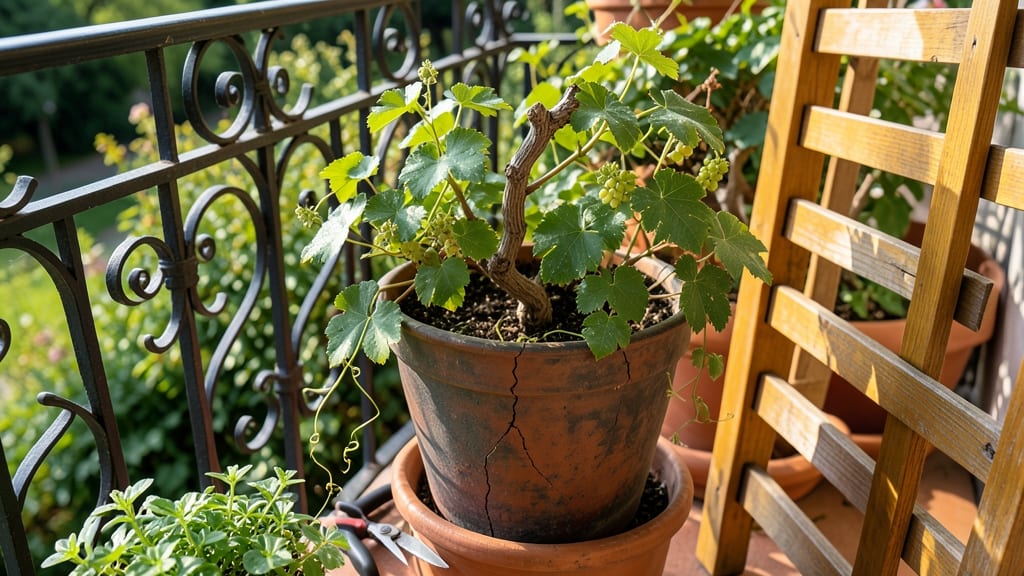
Turn your balcony or patio into a mini vineyard with grapevines that thrive in containers! Compact varieties like 'Thompson Seedless' deliver sweet, juicy fruit in just 2-3 years—perfect for small-space gardeners who crave fresh harvests without the fuss of a full garden bed.
Choose a 5-gallon container with drainage holes and fill it with a well-draining mix of potting soil and compost. Place your vine in 6+ hours of sun daily and train it up a small trellis or fence. Prune lightly in late winter to encourage fruit production—just remove dead wood and shape the plant. Water deeply when the top inch of soil feels dry, and fertilize monthly with a balanced organic fertilizer during the growing season.
This low-maintenance option is ideal for urban gardeners or anyone with limited yard space. With minimal pruning and care, you’ll enjoy homegrown grapes that taste better than store-bought. 🌱
Strawberry Tower Vertical Planting
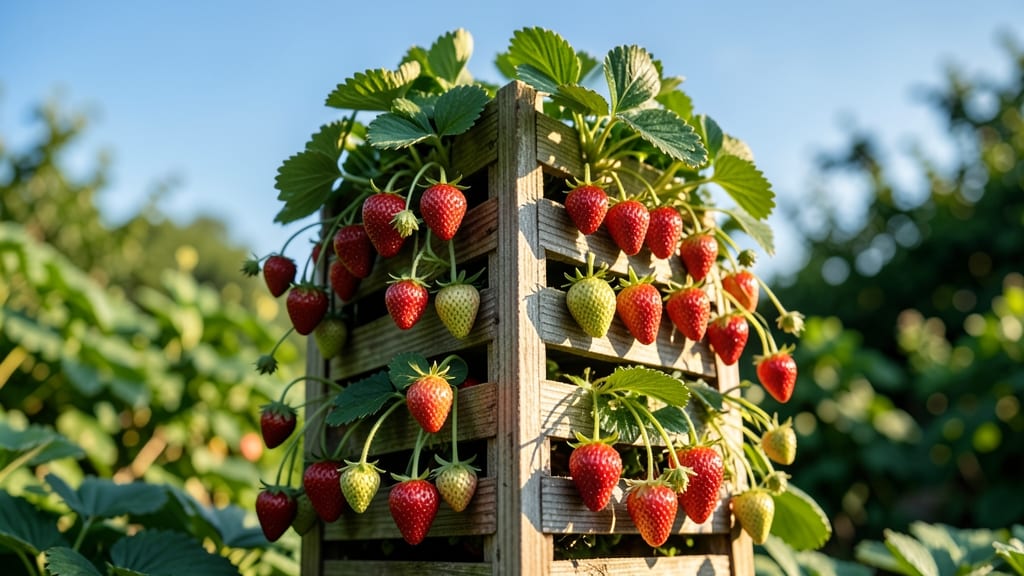
Turn your 4' x 4' patch into a strawberry powerhouse with vertical planting—no more sprawling beds or lost berries! Strawberry towers let ever-bearing varieties produce fruit continuously from spring to fall, with plants spaced perfectly for airflow and sunlight.
Choose a tower with pockets or slits for roots, and plant June-bearing or ever-bearing varieties like 'Albion' or 'Seascape' at 6-inch intervals. The elevated design keeps fruits off damp soil, reducing rot and pest access while making harvesting easier. Water at the base daily until established, then 2-3 times weekly. Rotate the tower monthly for even sun exposure.
This system is ideal for urban gardeners, small-space growers, or anyone tired of slugs devouring their strawberries. You’ll enjoy year-round harvests with minimal ground space! 🌱
Kiwi Fruit on Arbors
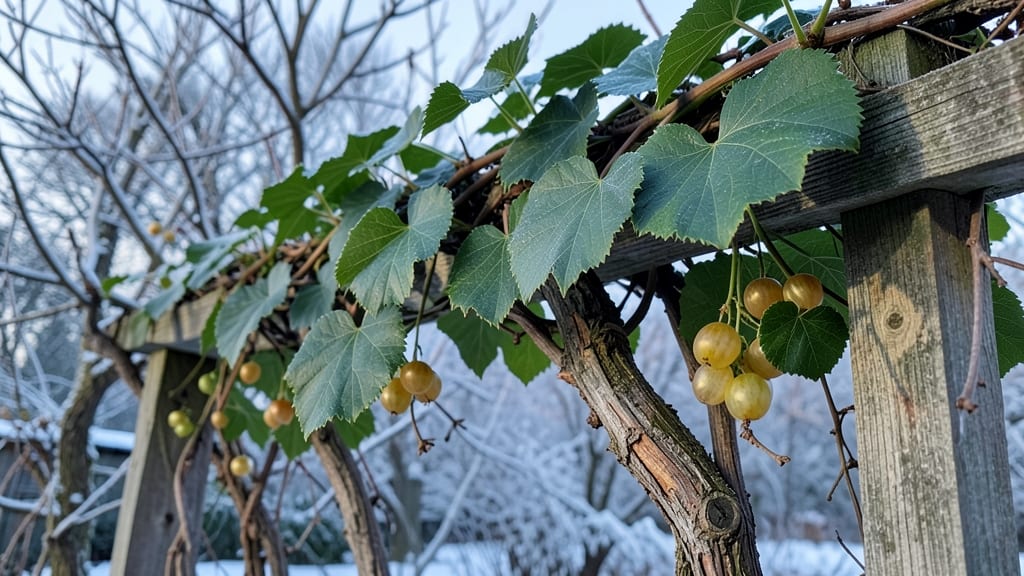
Looking for a year-round vine fruit that thrives in colder climates? Hardy kiwi vines (Actinidia arguta) deliver sweet, golden berries packed with vitamin C—perfect for zones 4 through 8. Unlike their tropical cousins, these vines survive winter temperatures down to -25°F, making them ideal for northern gardens.
Plant male and female vines (they need both for pollination) along a sturdy wooden arbor or trellis, where they’ll climb 15–20 feet. These vines love full sun to partial shade and well-drained soil, but they’re forgiving if you forget to water occasionally. Harvest begins in late summer, yielding 10–20 pounds per vine—enough for jams, smoothies, or fresh snacking!
City dwellers and small-space gardeners will love how these vines transform fences or patios into lush, fruiting canopies. With minimal pruning and disease resistance, they’re the low-maintenance superstar of cold-hardy vine fruits. 🌟
Passion Fruit Vines for Trellises
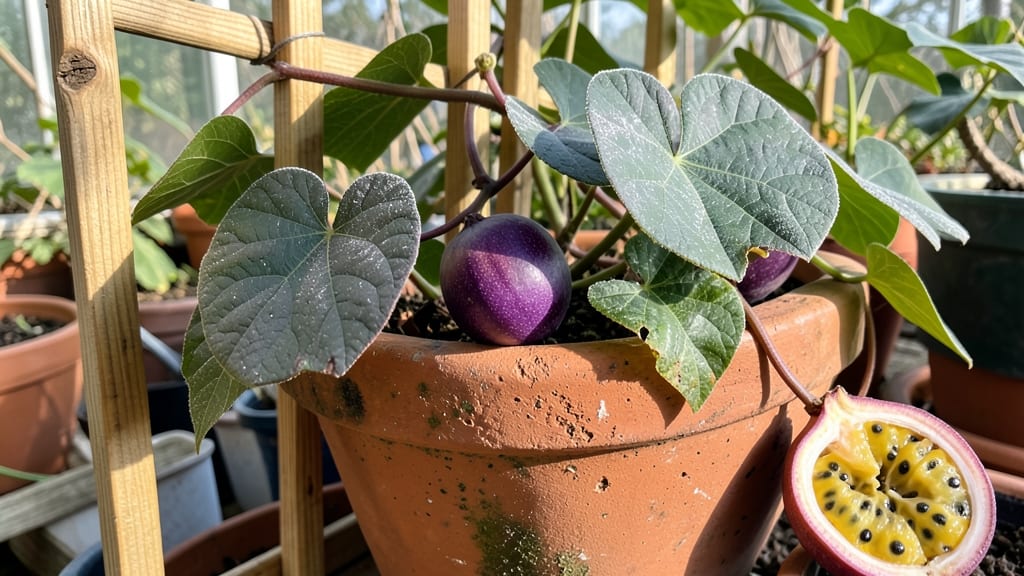
Imagine harvesting exotic passion fruit—with vibrant yellow pulp and tiny black seeds—without sacrificing your plants to winter freezes. The 'Purple Haze' variety defies expectations by thriving in containers and surviving temperatures as low as 20°F, making it perfect for gardeners in cooler climates who crave tropical flavors.
This cold-hardy vine needs just 6-8 hours of sun daily and minimal pruning to produce abundant fruit. Plant in well-draining soil, provide a sturdy trellis for support, and water consistently during flowering and fruiting. The purple flowers add a stunning visual, while the fruit ripens in late summer—ready to be sliced open for a taste of the tropics. 🌻
Urban gardeners and small-space enthusiasts will love how this vine adapts to containers, while its minimal care requirements make it ideal for busy growers. Just ensure winter protection in extreme cold, and you’ll enjoy a year-round harvest with this unexpected tropical treasure. 💚
Raspberry Canes in Hanging Baskets
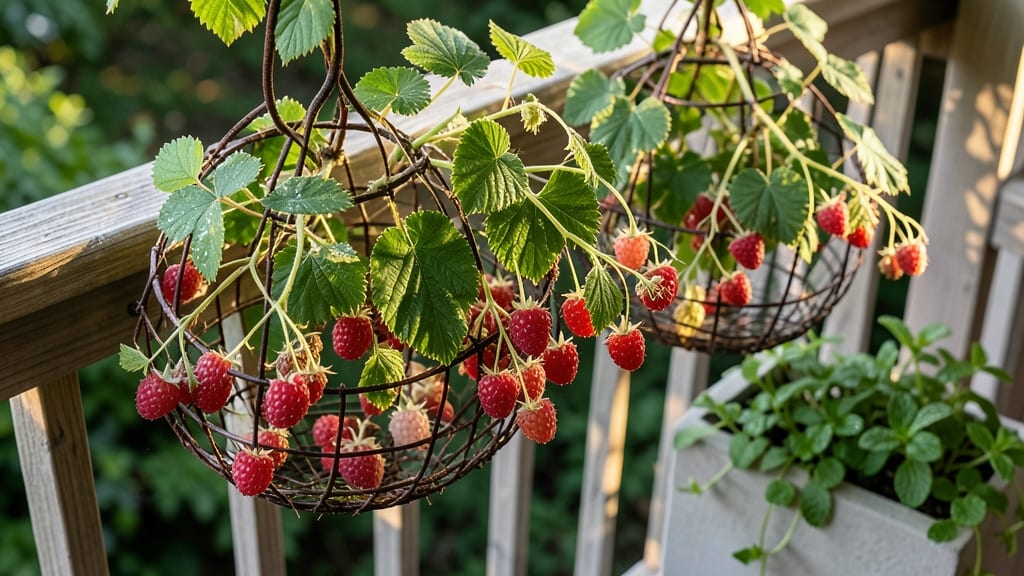
Turn your patio or balcony into a raspberry paradise with remontant varieties like 'Heritage'—these canes produce fruit in both summer and fall, doubling your harvest in the same small space. Hanging baskets aren’t just decorative; they elevate canes for better air circulation, reducing fungal diseases like gray mold that plague ground-planted berries.
Start with a 12-18 inch diameter basket filled with well-draining potting mix and a slow-release fertilizer. Plant 3-5 canes per basket for optimal fruiting, and hang where they’ll get 6-8 hours of sun daily. Water consistently, keeping the soil moist but not soggy, and prune old canes in early spring to encourage new growth. This method works especially well in urban areas where ground space is limited.
Urban gardeners and small-space growers will love this approach—it’s a game-changer for maximizing yield without sacrificing aesthetics. Plus, harvesting ripe berries from hanging baskets makes picking easier on your back! 🌱
Blueberry Bushes on Espalier System
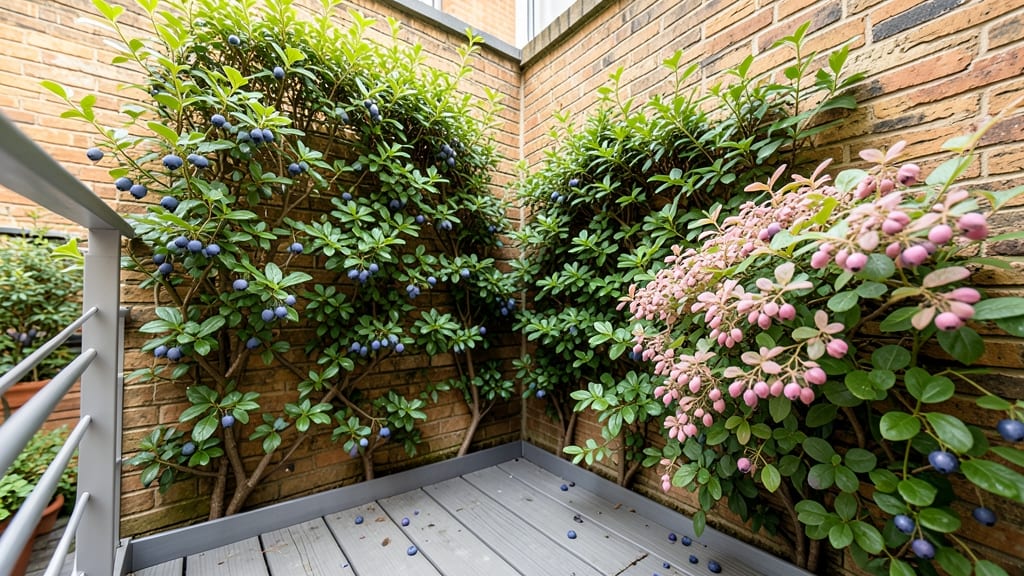
Turn your urban courtyard or balcony into a privacy oasis with espaliered blueberry bushes—a dual-purpose solution that yields fruit while doubling as a living screen. Unlike sprawling berry bushes, dwarf varieties like 'Top Hat' or 'Peach Sorbet' grow flat against walls, producing harvests in just 1-2 years without taking up valuable ground space.
Train young plants horizontally along a wire trellis or wall-mounted frame to encourage flat growth. Use well-draining, acidic soil (pH 4.5-5.5) and provide 6-8 hours of sun daily for optimal fruit production. Prune in late winter to maintain the flat shape and remove crossing branches, ensuring airflow reduces disease risk. These bushes thrive in 5-gallon containers, making them perfect for patios or small yards.
This system is ideal for city dwellers with limited space who crave both privacy and productivity. The berries ripen in late summer, offering a sweet reward for your vertical gardening efforts. 🌻
Blackberry Bramble in Raised Beds
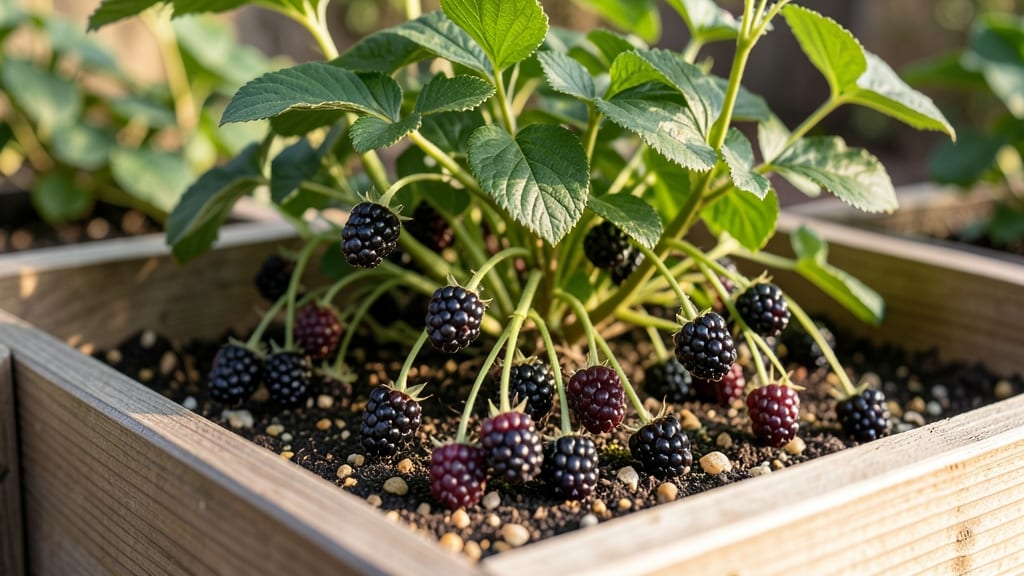
Tired of thorns and complicated berry bushes? The thornless 'Cheyenne' blackberry delivers heavy yields in deep raised beds with almost no fuss—ideal for gardeners who want flavor without the hassle.
This variety thrives in 18-inch-deep containers or raised beds, requiring only well-draining soil and 6+ hours of sun. Plant canes 3 feet apart, train them along trellis wires for easy harvests, and enjoy 2-3 pounds of fruit per plant starting in the first year. Unlike traditional brambles, 'Cheyenne' produces sweet, firm berries that ripen all at once—perfect for jams, snacks, or fresh eating.
Perfect for small-space gardeners or those new to berry growing, this low-maintenance option eliminates pruning nightmares while delivering summer-long harvests. 🌻
Gooseberry Bushes for Small Spaces
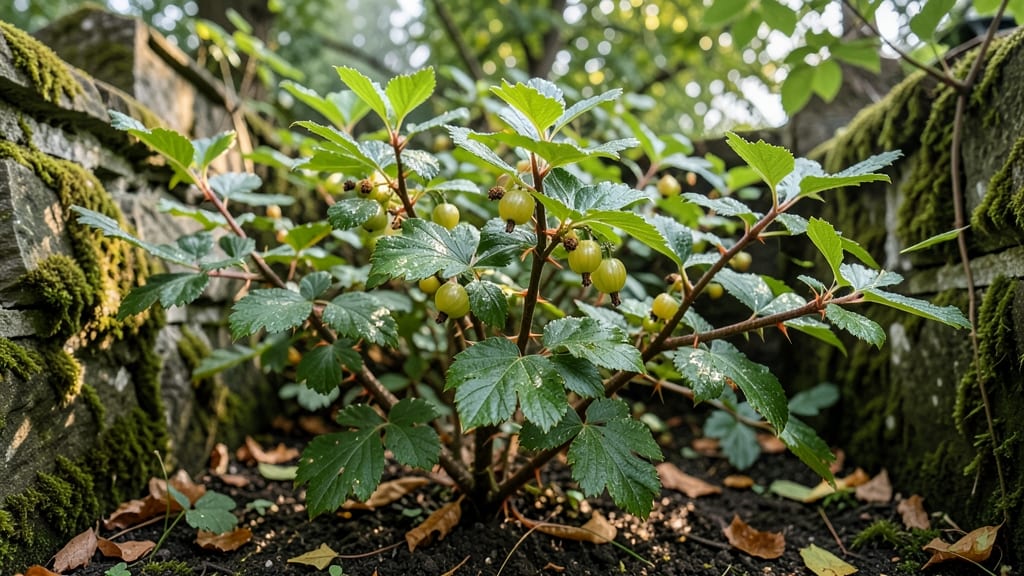
If you're craving berries but lack a sunny backyard, gooseberry bushes are your secret weapon. Unlike most berries, they thrive in partial shade and deliver fruit in their very first year—no waiting around! Their disease-resistant nature means fewer pesticides and more time enjoying the harvest.
Plant these compact bushes in containers or along fences where they’ll spread 3-4 feet wide. Varieties like 'Pixwell' or 'Hinnonmäki Red' produce tart-sweet berries perfect for jams or fresh snacking. Prune lightly in late winter to encourage bushier growth, and watch them reward you with year-round interest—even the foliage adds texture to small gardens.
Perfect for urban gardeners, beginners, or anyone with limited space, gooseberries prove you don’t need a sun-drenched plot to grow delicious fruit. 🌿
Cantaloupe Vines in Fabric Grow Bags
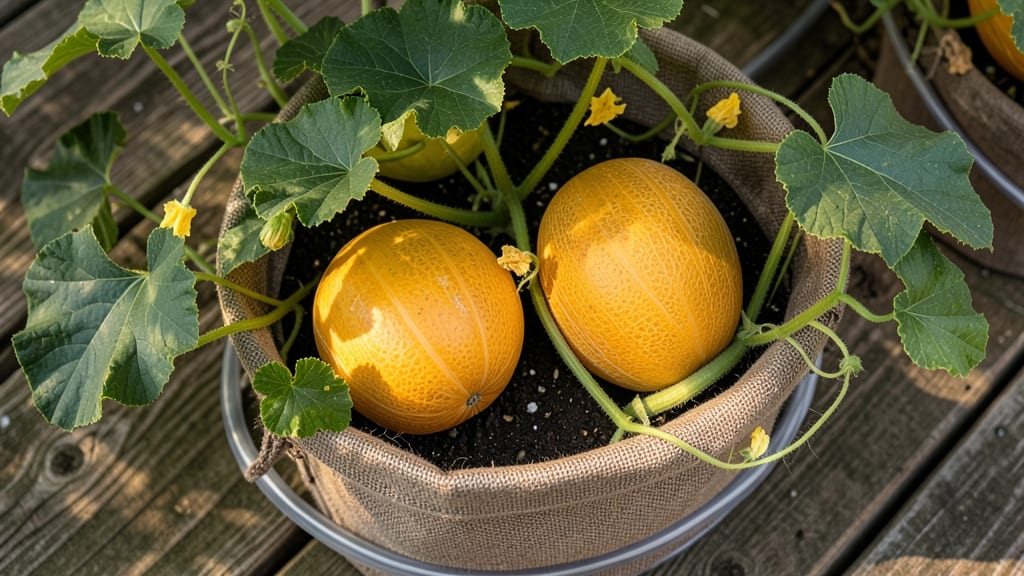
If you’ve ever dreamed of growing cantaloupes but lack garden space, the Minnesota Midget variety is your solution—it thrives in fabric grow bags while delivering full-sized melons in just 70 days. This compact, fast-growing vine proves that big flavor doesn’t require a big plot.
Start by filling a 5-gallon fabric grow bag with a lightweight mix of potting soil and compost. Place the bag in a sunny spot with at least 6 hours of direct sunlight daily, and train the vine along a small trellis or let it spill over the bag’s edge. Water consistently to keep the soil moist but well-draining, and fertilize lightly every 2 weeks with a balanced organic fertilizer. The vines will spread quickly, but the fruit stays manageable—each plant yields 2-4 melons per season.
This method is perfect for urban balconies, patios, or small yards, offering a space-efficient way to enjoy homegrown cantaloupes without the mess of traditional in-ground planting. 🌟
Honeyberry Bushes for Cold Climates

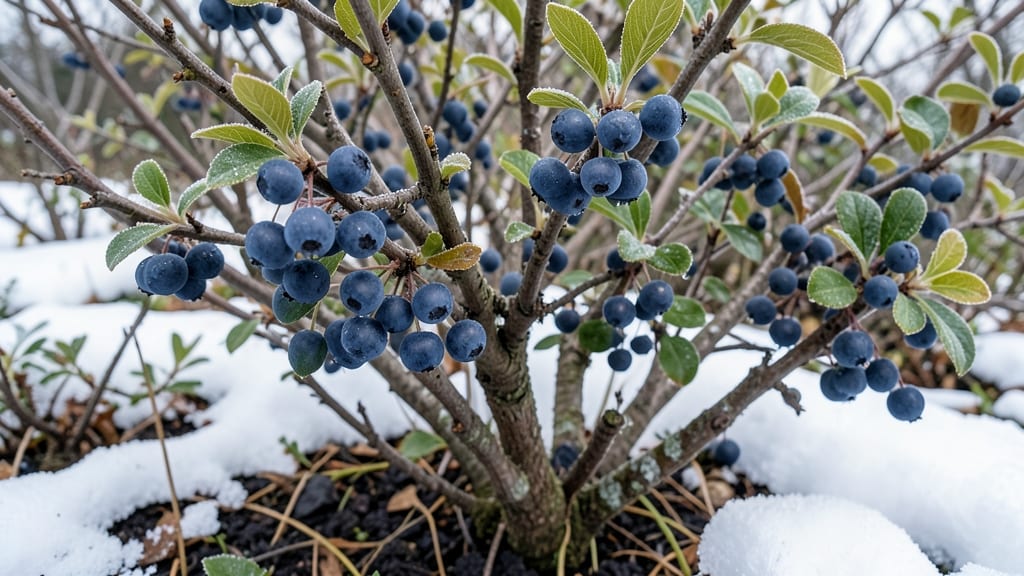
If you're craving fresh berries before summer even arrives, honeyberry bushes (Lonicera caerulea) are your early-season superstars. Unlike most berries that wait until late spring or summer, these hardy shrubs produce sweet, tangy fruit as early as April—often while snow still lingers on the ground.
Native to northern climates, honeyberries thrive in zones 2-7 and handle temperatures down to -30°F, making them ideal for gardeners in Alaska, Canada, or northern U.S. states. Plant them in full sun to partial shade with well-draining soil, and expect fruit within 2-3 years. Varieties like 'Borealis' and 'Indigo Gem' offer dark purple berries packed with antioxidants and vitamin C.
Perfect for gardeners in cold regions who want year-round interest—their fragrant white flowers bloom in spring, followed by edible fruit, and their glossy foliage adds color in fall. 🌟