
Orchid Care
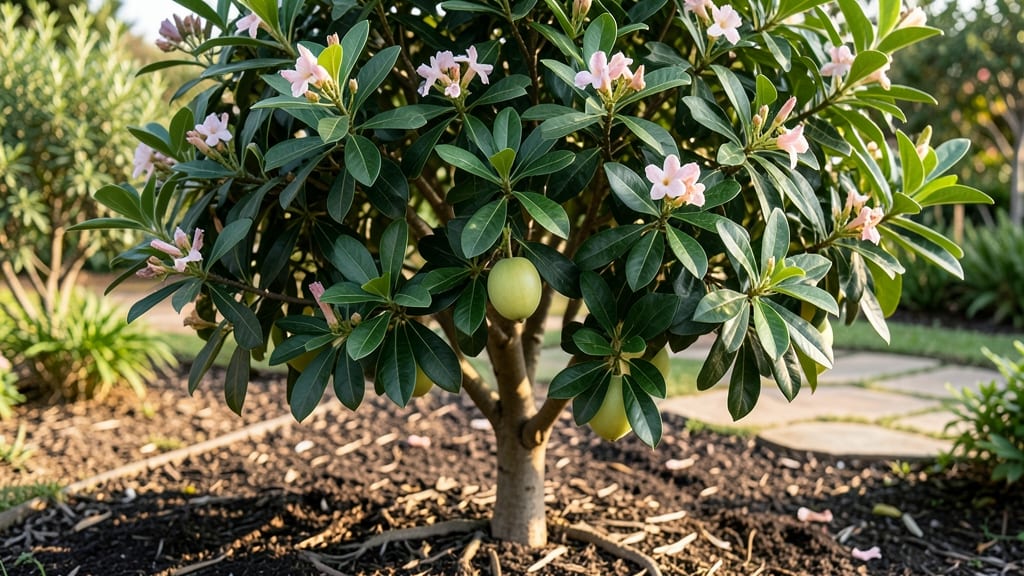
Growing water apple fruit (Syzygium aquaticum) means edible blooms and sweet tropical harvests—even if you live in a cold climate. 🌿 I’ve nurtured this lush tree in containers for years, and it’s become my go-to for both beauty and fruit, no yard required.
The secret? Mimicking its natural tropical habitat with just a few key adjustments.
This isn’t your average houseplant—it thrives in bright, indirect light and well-draining soil, but it’s surprisingly forgiving once you get its needs right. In containers, you’ll need a minimum 15-gallon pot for stability, and regular pruning keeps it compact while encouraging more blooms.
The fruit? Juicy, crisp, and perfect for snacking straight off the tree.
By summer, you’ll be harvesting small, apple-like fruits that taste like a mix of pear and citrus, plus delicate white flowers you can eat too. The tree stays 3-5 feet tall in containers, making it ideal for patios or sunny balconies.
Even in winter, with proper care, it keeps its glossy leaves and stays productive.
Troubleshooting is easy once you know the signs: yellow leaves mean too much water, while slow growth often points to low light or root-bound conditions. With the right setup, this tropical perennial becomes a year-round feature—fruit, flowers, and all. Ready to grow one?
📚 In This Guide
- What you need
- Instructions
- Tips and common mistakes
- Wrapping up and next steps
What you need
- ● Water apple seeds or saplings: 1-3 (fresh seeds germinate best; saplings ensure faster fruiting).
- ● Well-draining potting mix: 5-10 gallons (use a blend of coconut coir, perlite, and orchid bark for aeration).
- ● Containers: 1 large pot (12"+ diameter) for mature plants, or
- ● 3-5 smaller pots (8"+ diameter) for seedlings (with drainage holes!).
- ● Slow-release fertilizer: 1-2 cups (balanced 10-10-10 or citrus-specific fertilizer).
- ○ Mulch (optional but helpful): Pine bark or shredded leaves (1-2 inches) to retain moisture.
- ● Hand trowel or small shovel for planting.
- ● Spray bottle or watering can (keep soil consistently moist but not soggy).
- ● Pruning shears (sterilized) for shaping and harvesting.
- ● Sunlight access: Bright, indirect light (6+ hours daily; grow lights work for indoor setups).
- ○ Humidity tray or pebble tray (optional, for tropical climates or dry indoor air).
Step-by-step guide to growing water apple fruit in containers
This tropical beauty thrives in pots and rewards you with fragrant blooms and sweet fruit—here's how to cultivate it successfully.
🌱 Step 1: Select the Right Container and Soil Mix
Water apple (Syzygium aqueum) needs a 12-18 inch deep pot with drainage holes to prevent root rot. I use unglazed terra cotta because it breathes and helps regulate moisture—critical for this tropical plant. The soil mix should be lightweight and well-draining: blend 2 parts potting mix, 1 part perlite, and 1 part compost for nutrients.
Fill the pot to 2 inches below the rim, leaving room for watering. Tap the pot gently to settle the mix without compacting it. The goal is a fluffy medium that holds moisture but drains freely. Water apple roots are sensitive to soggy conditions, so never use garden soil—it compacts and suffocates roots.
☀️ Step 2: Position for Warmth and Light
This tropical plant demands full sun exposure—place your container where it gets 6+ hours of direct sunlight daily. A south-facing window or balcony works well, but if you're in a cooler climate, supplement with a grow light during winter months. Water apple thrives in 70-85°F temperatures, so if nights dip below 60°F, move it indoors temporarily.
Watch for leaf yellowing—a sign of too much light or heat stress. Rotate the pot quarter-turn weekly so the plant grows evenly toward the light source. You'll notice new growth leaning toward the sun within a few weeks, signaling it's getting the light it needs.
💧 Step 3: Water Deeply and Maintain Consistent Moisture
Water apple roots love moisture but hate soggy soil. Water deeply until water drains from the bottom, then let the top 2 inches of soil dry out before watering again. I check moisture by sticking my finger into the soil—if it feels dry past the first knuckle, it's time to water. Overwatering causes root rot, while underwatering leads to drooping leaves and fruit drop.
During hot months, you may need to water every 2-3 days, but reduce to once a week in cooler weather. Always water at the base of the plant to avoid wetting the leaves, which can promote fungal diseases. A drip irrigation system keeps moisture consistent without over-saturating the soil.
🌿 Step 4: Fertilize and Prune for Healthy Growth
Feed your water apple with a balanced liquid fertilizer (10-10-10) every 4-6 weeks during the growing season (spring through fall). I dilute it to half-strength to avoid burning the roots. In winter, reduce fertilization to once every 8 weeks as growth slows. The plant’s edible white flowers appear in spring, followed by small, apple-like fruit—both are delicious and fragrant.
Prune lightly after flowering to shape the plant and encourage bushier growth. Remove any dead or yellowing leaves with clean pruning shears, cutting just above a leaf node. Avoid heavy pruning—water apple responds best to gentle maintenance. You’ll see new shoots emerge within 2-3 weeks, signaling the plant is recovering well.
⏰ Step 5: Protect and Harvest for Long-Term Success
Water apple is sensitive to cold drafts and sudden temperature drops. If your winters dip below 50°F, move the pot indoors near a sunny window. The plant can tolerate short periods of frost if kept dry, but prolonged cold will damage the foliage. Harvest fruit when it turns soft and slightly translucent, usually 6-8 months after flowering.
To propagate, take 4-6 inch stem cuttings in spring, dip in rooting hormone, and plant in moist potting mix. Keep the cuttings in a humid, warm environment until roots form—typically 4-6 weeks. You’ll know it’s rooted when new leaves appear. This method lets you expand your water apple collection without buying new plants.
Tips & tricks for perfect water apple growth in containers
Here's what nobody tells you about keeping your tropical water apple thriving year-round.
Container Material Matters: While terra cotta is ideal, plastic pots retain more moisture which can lead to root rot. If using plastic, add an extra 20% perlite to your soil mix and water slightly less frequently. I've found that glazed ceramic pots can trap too much moisture—stick with unglazed options if you prefer them. The key is maintaining that delicate balance between moisture retention and drainage, especially during our humid summers when evaporation slows.
Light Adjustment Secrets: That 6+ hours of sunlight requirement is non-negotiable, but quality matters more than quantity. If your plant shows signs of heat stress (leaf yellowing or curling), it's getting too intense light. Try moving it to a spot with morning sun and afternoon shade during peak summer months. For indoor growers, LED grow lights work best—position them 6-12 inches above the plant for optimal photosynthesis. Remember, water apple needs bright light but not scorching heat.
Temperature Transition Strategy: The 70-85°F range is perfect, but sudden drops below 60°F can shock the plant. I've learned to watch the forecast and gradually acclimate your water apple to cooler temperatures over 2-3 days before moving it indoors. Place it near a sunny window during the day and a warm spot at night. This slow transition mimics natural seasonal changes and prevents the shock that causes leaf drop. For winter care, maintain indoor temperatures above 65°F if possible—central heating works better than drafty spaces.
Harvesting Without Damaging the Plant: When those translucent fruits appear after 6-8 months, resist the urge to pick them all at once. Harvest only the ripest ones first, leaving others to mature. I've found that gently twisting the fruit from the stem (rather than cutting) preserves more of the plant's energy. After harvesting, give your water apple a light feeding with diluted fertilizer to compensate for the energy used in fruit production. This approach maintains the plant's health while still giving you a continuous harvest throughout the season.
Pro Tips for Water Apple Fruit
- Here's what nobody tells you about keeping your tropical water apple thriving year-round.
- Container Material Matters: While terra cotta is ideal, plastic pots retain more moisture which can lead to root rot.
- Light Adjustment Secrets: That 6+ hours of sunlight requirement is non-negotiable, but quality matters more than quantity.
Frequently asked questions
Got questions about growing and enjoying water apple fruit? You’re not alone!
Here are answers to the most common queries to help you cultivate this tropical beauty with confidence.
Can water apple fruit grow in containers?
Water apple thrives in containers as long as they’re at least 12 inches deep with drainage holes. Use a well-draining potting mix (like cactus/succulent blend) and repot every 2–3 years. Just ensure it gets bright, indirect light—no harsh afternoon sun.
How long does it take for water apple fruit to bear fruit?
Patience is key! Water apple plants typically take 2–3 years to mature and produce fruit from seeds. If you’re growing from cuttings or a young plant, expect blooms (and potential fruit) in 1–2 years with ideal care. Keep it happy with consistent water and fertilizer!
What’s the difference between water apple and other tropical fruits?
Water apple (Syzygium aqueum) stands out with its crunchy, jelly-like flesh and mild, floral-sweet taste. Unlike mangoes (tropical but fibrous) or lychees (juicy but seedy), water apple is low-calorie, hydrating, and packed with vitamin C. Its edible flowers are a bonus!
Why aren’t my water apple leaves turning green?
Yellow or pale leaves often signal overwatering or nutrient deficiency. Let the top 1–2 inches of soil dry out between waterings, and feed with a balanced fertilizer (20-20-20) every 4–6 weeks during growing season. Too little light? Move it closer to a window!
How do I eat water apple fruit?
Peel the thin, papery skin and slice the fruit into wedges. Enjoy fresh, raw—it’s crisp and refreshing! For extra flavor, sprinkle with lime juice or pair with spicy dips. Pro tip: The seeds are edible but tough; spit them out or compost them.
Can I grow water apple indoors year-round?
Yes, but with caveats! Water apple loves warmth (65–85°F) and humidity. Use a humidity tray or mist leaves occasionally. In winter, keep it away from drafts and supplement with a grow light if natural light drops below 6 hours/day.
Wrapping up and next steps
From its stunning edible blooms to its low-maintenance nature, the water apple fruit is a true gem for container gardening! 🌱 Whether you're drawn to its tropical charm or its practicality as a perennial, this versatile plant offers beauty and bounty year after year. Ready to dive in?
Start by gathering your supplies, then plant with confidence—your future harvest (and stunning flowers!) will thank you. Now’s the time to turn your green thumb into action!