
Plants
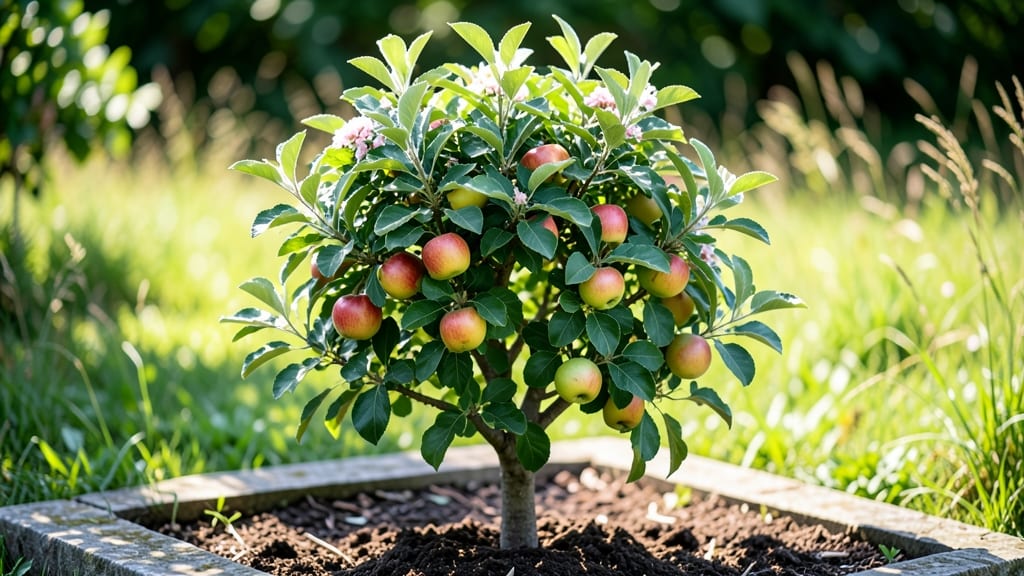
Apple-like fruit bushes bring the romance of orchards to small spaces—fragrant blooms that smell like cider and berries that taste like dessert. 🌸 I’ve grown crabapples, serviceberries, and hawthorns for years, and these bushes deliver the same beauty as apple trees without needing a whole yard.
The heart-shaped flowers alone make them worth planting, but the edible fruit? That’s the real game-changer.
These bushes thrive in full sun to partial shade and adapt to almost any soil—even rocky or clay-heavy ground. Most varieties stay compact (8–12 feet tall), so they’re perfect for hedges, foundation plantings, or even container growing.
My favorite, ‘Adams’ crabapple, bursts with pink blossoms in spring and produces tiny, tart apples that birds adore (and humans can turn into jelly).
Pruning is simple: just shape them in late winter to encourage dense growth and remove dead branches. They’re also tough against pests—deer usually skip them, and diseases like apple scab are rare in well-drained soil. With minimal care, you’ll get years of blooms, shade, and wildlife-friendly fruit.
The best part? These bushes reward patience. Plant one now, and in 3–5 years, you’ll have a fragrant, fruiting centerpiece that outshines roses. Whether you want cut flowers, bird-friendly snacks, or just old-fashioned charm, these are the bushes that deliver. Let’s get yours growing!
Root Causes Behind Poor Blooms
Understanding why your fragrant, heart-shaped blooms aren’t thriving starts with the science behind plant stress. These delicate shrubs—often mistaken for apple trees—require precise conditions to reward you with their signature floral displays. Let’s break down the real culprits holding back your bush’s potential.
Your apple-like fruit bush (likely a Chaenomeles speciosa or Cydonia oblonga hybrid) is highly sensitive to temperature extremes. Blooms may fail or drop prematurely due to:
- Late frosts 🌬️: Buds form in late winter/early spring. A sudden cold snap (below 25°F/-4°C) can kill emerging flowers before they open.
These shrubs are not frost-hardy during bloom time—they need consistent warmth (above 40°F/4°C) for 7–10 days straight to trigger full blossoming. - Heat stress 🔥: Temperatures above 90°F (32°C) during bloom can cause bud drop or stunted growth.
High heat + low humidity = pollination failure, leading to fewer fruits. - Winter chill hours ❄️: Many apple-like bushes need 200–500 hours below 45°F (7°C) in winter to set buds properly. If your region is too warm in winter, the bush may skip flowering entirely.
Actionable fix:
- Plant in microclimates (south-facing slopes, near walls) to delay frost exposure.
- Mulch heavily (3–4 inches of wood chips) to moderate soil temps.
- Avoid pruning in late winter—wait until after blooming to prevent removing next year’s buds.
Rich, well-draining soil is non-negotiable for these shrubs. Poor soil leads to: - Compacted or waterlogged soil 💦: Roots suffocate, starving the bush of phosphorus (P) and potassium (K)—critical for flower and fruit development.
Signs: Yellowing leaves, weak stems, or no blooms at all. - Over-fertilization with nitrogen (N) 🌿: Too much N = leafy growth, no flowers.
These bushes hate "green" fertilizers—they need a balanced 10-10-10 or 5-10-10 ratio in early spring (before buds swell). - Deficiencies in micronutrients 🧬: Boron, zinc, or iron shortages cause blind buds (buds that form but don’t open). Symptoms: Small, deformed leaves or blackened flower buds.
Actionable fix:
- Test your soil (pH 6.0–7.0 is ideal). Amend with compost + bone meal for phosphorus.
- Avoid fresh manure—it burns roots and disrupts bloom cycles.
- Use chelated iron if leaves turn yellow between veins (a classic iron chlorosis sign).
Even if buds form, poor pollination can sabotage your harvest. These shrubs rely on: - Bees & butterflies 🐝: If your bush is isolated, pollinators may not visit.
Some varieties (like Chaenomeles) are self-pollinating, but cross-pollination improves fruit set. - Wind limitations 🌬️: Light, heart-shaped blooms don’t release pollen easily in still air. Rainy or windless days = fewer pollinated flowers. - Pesticide use 🚫: Neonicotinoids and broad-spectrum sprays kill bees.
Even organic sprays (like neem oil) can temporarily repel pollinators.
Actionable fix:
- Plant companion flowers (lavender, thyme, or apple blossom mimics) to attract pollinators.
- Hand-pollinate on still days: Use a soft paintbrush to transfer pollen from one bloom to another.
- Avoid spraying during bloom—opt for horticultural oil (less toxic) if pests appear.
Aggressive or timing mistakes in pruning can starve your bush of energy for blooms:
- Pruning at the wrong time ⏰: Never prune in late summer/fall—this removes next year’s flower buds, which form on old wood.
- Over-thinning 🌿: Removing too many branches reduces the bush’s ability to photosynthesize, leading to fewer blooms.
- Deadheading too late 🌸: If you remove spent blooms after mid-summer, the bush may not set fruit (since some varieties rely on late-season pollination).
Actionable fix:
- Prune immediately after blooming (late spring) to shape but not over-cut.
- Avoid "rejuvenation pruning"—this can kill your bush’s flowering habit.
- Leave some seed pods (if you want fruit)—they signal the plant to bloom again next year.
Hidden invaders sap your bush’s strength, leaving little energy for flowers: - Scale insects & aphids 🐜: These suck sap, causing stunted growth and dropped buds.
Look for sticky residue (honeydew) on leaves. - Fire blight 🔥: A bacterial infection (common in apple-like bushes) that blackens and wilts blooms.
Spreads via rain-splashed bacteria. - Root rot 🌱: Too much water + poor drainage = fungal infections that strangle roots, leading to no blooms.
Actionable fix:
- Spray with neem oil (early spring) to prevent aphids/scale.
- Remove infected branches (fire blight) with sterilized pruners, then dispose of them.
- Improve drainage—raise beds or add gravel to prevent waterlogging.
Not all apple-like bushes bloom equally—some need patience:
- Young plants (under 3 years) 🌱: Often focus on root/foliage growth before blooming. Don’t expect flowers in the first year.
- Dwarf varieties 🌿: Some miniature apple-like bushes (like Cydonia ‘Miniature Orange’) bloom later or less prolifically.
- Rootstock influence 🌳: If grafted, the underlying rootstock can suppress flowering if not compatible.
Actionable fix:
- Be patient—wait 3–5 years for full bloom potential.
- Choose reliable varieties like Chaenomeles ‘Coccinea’ (prolific bloomer) or Cydonia ‘Rural de Morella’ (heavy fruit producer).
- Transplant only in early spring—stress from moving can delay blooming for a year.
Fixing Common Fruit Bush Issues
Growing a fragrant, apple-like fruit bush is a rewarding experience, but like any plant, it can face challenges. Below are practical, step-by-step solutions to the most common problems—whether it’s poor blooms, pests, or weak growth—along with prevention tips to keep your bush thriving.
Cause: Overcrowding, poor soil, or nutrient deficiencies.
Fix: 🔥 Prune for Airflow – Trim back dense branches to improve circulation. Focus on removing crossing or dead wood in early spring. 🍳 Boost Soil Nutrition – Mix in compost or a balanced fertilizer (10-10-10) in early spring. For sandy soil, add organic matter like leaf mold. 👨🍳 Water Deeply but Less Often – Water at the base (not leaves) 1-2 inches per week, ensuring drainage. Mulch with wood chips to retain moisture. ⏰ Check for Root Bound – If potted, repot every 2-3 years into a slightly larger container with fresh soil.
💡 Prevention Tip: Plant in well-draining soil with partial sun (4-6 hours daily) and avoid compacted clay.
Cause: Aphids, spider mites, fungal spots, or powdery mildew.
Fix: 🔪 Neem Oil Spray – Mix 1 tsp neem oil + 1 tsp mild soap in 1 quart water. Spray every 7-10 days until pests vanish. 🌡️ Fungal Spot Treatment – Remove infected leaves immediately. Apply copper fungicide or a baking soda spray (1 tbsp baking soda + 1 quart water + a drop of soap). 🎯 Encourage Beneficial Insects – Plant marigolds or lavender nearby to attract ladybugs and lacewings, which eat aphids. ✨ Preventative Pruning – Cut back affected branches 6 inches below the damage to stop spread.
💡 Prevention Tip: Space plants 3-4 feet apart for airflow and water in the morning to prevent fungal growth.
Cause: Over-fertilizing with nitrogen, improper pruning, or wrong light.
Fix: 📊 Adjust Fertilizer – Switch to a low-nitrogen, high-phosphorus fertilizer (like 5-10-5) in early spring to encourage blooms. 🍎 Prune for Light – Thin out overly dense branches to let sunlight reach the center. Remove water sprouts (fast-growing vertical shoots). 💪 Hand-Pollinate (If Needed) – If bees are scarce, gently brush flowers with a soft brush to transfer pollen. 🌿 Check Light Exposure – Move to a sunnier spot (at least 6 hours of direct sun for best fruiting).
💡 Prevention Tip: Prune after blooming (late summer) to avoid cutting off next year’s flowers.
Cause: Heatwaves, frost, or sudden temperature drops.
Fix: 🌡️ Shade Cloth in Heat – Use 30-50% shade cloth during peak summer if temps exceed 90°F (32°C). ❄️ Frost Protection – Cover young bushes with frost cloth or a light blanket if temps drop below 28°F (-2°C). 💧 Deep Water Before Freeze – Water thoroughly 1-2 days before frost to protect roots. 🌱 Mulch Heavily in Winter – Apply 4-6 inches of mulch (straw or shredded bark) to insulate roots.
💡 Prevention Tip: Choose a microclimate (e.g., near a wall or large rock) for extra winter protection.
Cause: Root rot, overwatering, or transplant shock.
Fix: 🚿 Check Drainage – If soil stays soggy, amend with perlite or sand and repot if necessary. 💦 Adjust Watering – Let soil dry slightly between waterings. Stick your finger 1 inch deep—if dry, water. 🌿 Trim Damaged Roots – If repotting, snip black/mushy roots with sterilized scissors before replanting. 🌱 Boost Recovery with Tea – Brew compost tea (steep compost in water for 24 hours) and water with it weekly.
💡 Prevention Tip: Never let the bush sit in standing water—ensure pots have drainage holes.
Most issues improve with regular care. Monitor your bush weekly, adjust as needed, and enjoy the process—soon, you’ll have a fragrant, fruit-bearing beauty that rivals the best garden roses! 🍎✨
Frequently asked questions
What are the best apple-like fruit bushes for small gardens?
For compact spaces, try Chaenomeles (quince) varieties like 'Coccinea' (red blooms) or 'Nivalis' (white flowers). Crabapples such as 'Adams' or 'Dolgo' stay under 10 feet tall and produce fragrant blooms plus edible fruit. Serviceberry (Amelanchier) is another excellent choice—it grows 15-25 feet but has stunning spring flowers and blueberry-like fruit.
How do I know if my bush needs more sun or water?
Check the leaves: Yellowing between veins usually means too much water or poor drainage. Dull, pale leaves signal insufficient light. Most apple-like bushes need 6+ hours of sun daily and 1-2 inches of water weekly. If soil stays soggy for days, reduce watering and improve drainage with compost or sand.
Can I grow these bushes in containers?
Yes! Dwarf varieties like Chaenomeles 'Miniature Orange' or crabapple 'Centennial' thrive in 15-20 gallon pots. Use well-draining soil and repot every 2-3 years. Place containers in full sun and water when the top 1 inch of soil feels dry. Just ensure pots have drainage holes to prevent root rot.
Why aren't my flowers turning into fruit?
Poor pollination is the most common reason. Try planting companion flowers (like lavender) to attract bees, or hand-pollinate with a soft brush on still days. Late frosts can also kill blossoms before pollination occurs. If your bush is isolated, consider planting a second variety nearby for cross-pollination.
Are the fruits from these bushes really edible?
Most are! Crabapples and serviceberries can be eaten fresh (though tart) or used in jams, jellies, and sauces. Quince fruits must be cooked first—they're too hard and astringent raw. Birds love them too, so expect some natural harvesting! Always wash fruits thoroughly before eating.