
Diseases
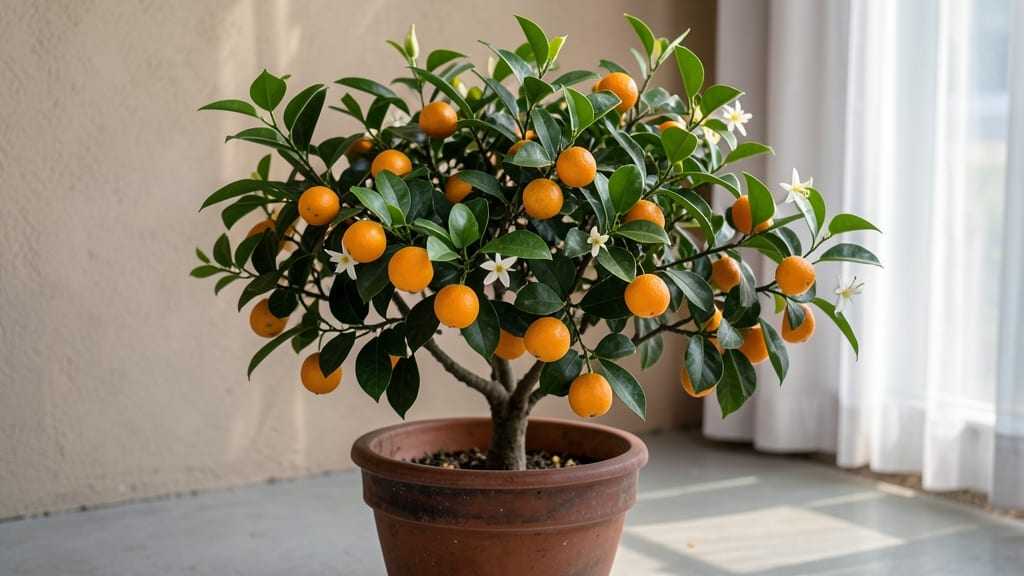
Calamondin fruit is a small, tart citrus hybrid with a bright orange-yellow rind and juicy, acidic flesh, often used in Southeast Asian cooking and cocktails for its intense citrus flavor and ornamental appeal. It thrives in tropical climates and is easy to grow in containers.
Calamondin fruit is a unique citrus variety that combines the best traits of mandarin oranges and kumquats, creating a fruit about the size of a large grape. 🌱 Its skin is thin, vibrant, and often eaten along with the flesh—unlike most citrus—thanks to its sweeter, less bitter profile.
This makes it perfect for both culinary uses and as a decorative plant in home gardens, especially in warm climates where it can produce fruit year-round.
The tree itself is compact and drought-tolerant once established, making it ideal for container growing in patios or balconies. Many gardeners love it for its glossy, dark green leaves and clusters of small, fragrant white flowers that appear before the fruit.
The fruit's high acidity means it's rarely eaten raw but shines in marinades, desserts, and beverages, where its bright flavor adds a zesty kick.
What's particularly fascinating is how easily it adapts to different growing conditions compared to other citrus varieties. While it prefers full sun and well-draining soil, it can tolerate partial shade and even brief cold snaps better than many tropical plants.
This resilience, combined with its dual purpose as both a fruit producer and ornamental plant, explains why it's becoming increasingly popular among urban gardeners and citrus enthusiasts alike.
💡 In This Article
- Calamondin Fruit Origins and Botanical Characteristics
- Growing Calamondin Trees: Tips for Home Gardeners
Calamondin fruit origins and botanical characteristics
The calamondin fruit's unique genetic makeup comes from its hybrid origins, a cross between a mandarin orange and a kumquat. This combination explains why it inherits the sweet, juicy flesh of mandarins while adopting the smaller size and edible rind of kumquats.
The fruit typically measures just 1.5-2 inches in diameter, about the size of a large grape, with a thin, bright orange-yellow skin that's less bitter than most citrus varieties. 🌱 This hybrid vigor also gives the tree itself a hardier constitution than its parent plants, allowing it to produce fruit more consistently in less-than-ideal conditions.
Botanically, the calamondin tree (Citrus × microcarpa) belongs to the Rutaceae family and displays several distinctive traits that set it apart. Its leaves are glossy, dark green, and slightly oval-shaped, measuring about 1-3 inches long, with a distinctive citrus aroma when crushed.
The tree itself grows to about 8-10 feet tall but can be easily pruned to maintain a more compact shape—ideal for container growing. What's particularly fascinating is its flowering habit: the tree produces clusters of fragrant white flowers that bloom year-round in tropical climates, often appearing before the fruit develops.
The fruit's intense tartness comes from its high citric acid content, which can reach 5-7% by weight—significantly higher than common oranges (about 1% acidity). This acidity makes it unsuitable for raw eating but perfect for culinary applications where its bright flavor can be balanced.
The flesh contains about 15-20% juice content, with seeds that are typically removed before use. Unlike many citrus fruits, the calamondin's rind is edible and contains flavorful oils that are often used in traditional medicine for their digestive benefits.
This citrus hybrid thrives in USDA hardiness zones 9-11, where it can produce fruit continuously throughout the year. In cooler climates, it can be grown as a container plant and brought indoors during winter.
The tree prefers well-draining soil with a slightly acidic pH (around 6.0-6.5) and requires full sun for optimal fruit production. Interestingly, calamondin trees are self-pollinating, meaning they don't require cross-pollination to produce fruit—a significant advantage for home gardeners. 🌿
What makes calamondin particularly valuable in both culinary and ornamental contexts is its dual-purpose nature. The tree's compact size and attractive foliage make it an excellent patio plant, while its fruit adds a unique citrus dimension to dishes.
In traditional Filipino cuisine, for example, calamondin is used in sinigang (sour soup) and adobo marinades, where its acidity tenderizes meat and adds depth of flavor. The fruit's versatility extends to beverages, where it's often used in cocktails or as a garnish due to its vibrant color and intense aroma.