
How To
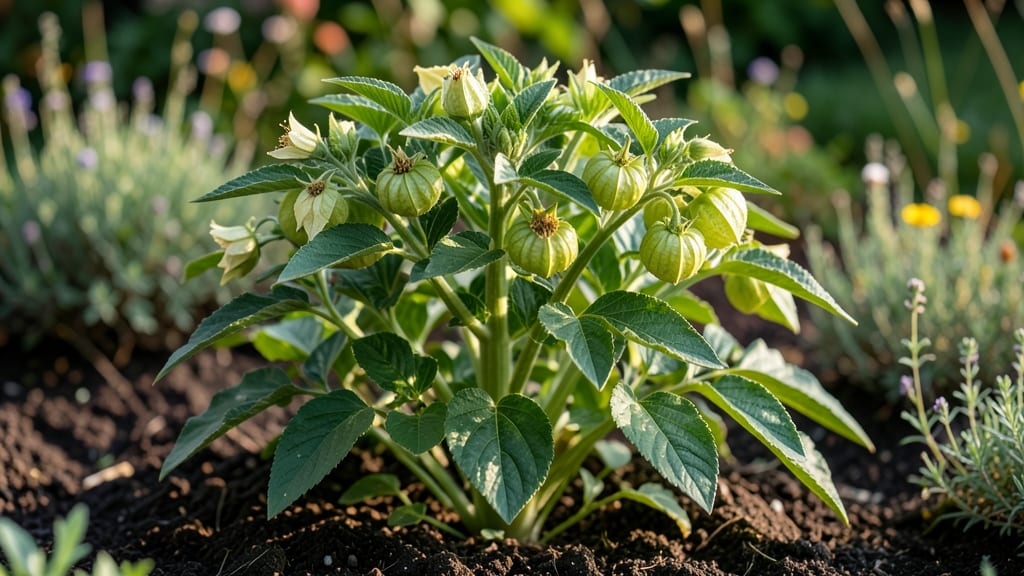
Tomatillos fruit between 60 and 90 days after planting, depending on the variety and growing conditions—so timing your spring planting right is the key to a summer harvest.
Picture this: you’ve spent weeks nurturing your 🌿 tomatillo plants, and now you’re staring at those first tiny buds, wondering if you’ll ever get to taste that tangy, green goodness in your salsa.
The truth? Some varieties like 'Green Mexican' fruit as early as 60 days, while others take nearly three months to ripen.
Climate plays a huge role—too much heat can slow things down, while cooler nights in USDA Zone 6a might speed up flowering.
Even the time of year matters: planting in April (after your last frost) gives you the best shot at a July harvest, but late starts can push fruiting into September.
Below, I’ll break down the exact timeline by variety, how to spot the first signs of fruit, and the small tweaks that can turn a slow-growing plant into a productive one before frost hits.
Tomatillo fruit timeline by variety: days to maturity explained
If you're growing tomatillos for the first time, one of your biggest questions is likely: when will my plants actually produce fruit? The answer depends heavily on the variety you're growing, as some types mature faster than others.
Understanding these timelines helps you plan your garden layout, succession planting, and even when to expect that first tangy harvest for your favorite salsas.
Most tomatillo varieties take between 60 to 90 days from transplanting to harvest, but early bloomers can produce fruit in as little as 50 days under ideal conditions.
The key stages to watch are budding, flowering, and green fruit formation, which I'll break down by popular varieties below. These stages are your first clues that fruiting is underway!
| Variety | Days to First Fruit | Days to Full Maturity | Key Characteristics |
|---|---|---|---|
| Green Mexican | 55-60 | 70-75 | Most common; compact plants; high yield |
| Purple | 60-65 | 75-80 | Deep purple husks; slightly sweeter flavor |
| Pineapple | 65-70 | 80-85 | Fragrant flowers; tangy, sweet fruit |
| Green Sage | 50-55 | 65-70 | Early bloomer; great for short seasons |
| Yellow Tomatillo | 70-75 | 85-90 | Unique yellow husks; milder taste |
The Green Mexican variety is the most popular choice for home gardeners because it's a fast producer with a 70-day maturity window. You'll typically see the first flower buds appear around 30 days after transplanting, followed by white flowers that bloom in the morning and close by afternoon.
These flowers are self-pollinating, so you won't need to worry about hand-pollination like you might with some tomato varieties.
For Purple and Pineapple varieties, expect the fruiting process to take slightly longer—about 5-10 extra days compared to Green Mexican. The Pineapple variety, in particular, is prized for its fragrant flowers, which can be a beautiful addition to your garden.
Look for budding to begin around 35-40 days after transplanting, with flowers appearing shortly after. The green fruit will form within 10-14 days of flowering.
If you're growing in a cooler climate or a shorter growing season, the Green Sage variety is an excellent choice. It's one of the fastest maturing tomatillos, with some plants producing fruit in as little as 50 days.
The trade-off is slightly smaller fruits, but the early harvest makes it ideal for gardeners in USDA zones 5-7 or those who want to extend their season with a late planting.
Identifying the first signs of fruit development is easier than you might think. Start by watching for small green buds that form at the leaf axils, where the stem meets the leaf. These buds will swell slightly and turn into tiny white flowers that open in the morning.
Once pollinated (usually by bees or other insects), these flowers will drop and be replaced by small green fruits encased in protective husks. This transition typically happens within 7-10 days of flowering.
One common misconception is that tomatillo fruit needs to turn red or fully ripen like tomatoes. In reality, they're ready to harvest when the husks turn pale green or yellowish and become papery.
The fruit inside should feel firm but not hard, and the husks should easily peel back to reveal the green tomatillos beneath. Harvesting at this stage ensures the best flavor and texture for cooking.
To encourage faster fruiting, focus on providing consistent moisture and balanced nutrition. Tomatillos thrive with 1 inch of water per week, especially during the flowering and fruiting stages.
A balanced fertilizer with equal parts nitrogen, phosphorus, and potassium (like a 5-10-10 blend) applied every 4-6 weeks will support robust growth and fruit production. Avoid over-fertilizing with nitrogen, as this can lead to excessive leafy growth at the expense of fruit.
If your tomatillos are taking longer than expected to fruit, check for common issues like poor pollination, temperature stress
Climate zones & tomatillo ripening: how temperature affects fruit time
Tomatillos thrive in warm climates but can struggle when temperatures swing too high or too low. If you're growing them in USDA zones 5-10, understanding how your local climate affects fruit development is key to a successful harvest.
In cooler zones like 5-7, expect a longer ripening time (up to 90 days), while zones 8-10 often see faster fruit production (as early as 60 days).
The ideal temperature range for tomatillo fruit development is between 70°F and 85°F during the day and 60°F at night. Heat waves above 90°F can cause blossom drop or stunted growth, while nights below 55°F may delay flowering entirely.
Even a single frost can kill plants and ruin your harvest, so timing is everything.
- 🌡️ Zones 5-6: Plant after last frost (soil 60°F), expect 90-day ripening. Use row covers for cool nights.
- 🌡️ Zones 7-8: Direct sow in spring, fruit in 75 days. Mulch to retain soil warmth.
- 🌡️ Zones 9-10: Plant year-round, harvest in 60-70 days. Shade cloth helps during heat waves.
- ❄️ Frost Risk: Zones 5-6 need protection until May 15; zones 7-8 can handle light frosts.
- ☀️ Heat Stress: Above 90°F? Water deeply at dawn and use shade cloth.
If your tomatillos are flowering but not fruiting, check for temperature mismatches. For example, cool nights (below 60°F) can prevent pollination, while hot days (above 95°F) may cause flowers to drop before setting fruit.
In zone 5, I’ve seen success by planting in containers and moving them to a sunny patio during the day, then bringing them indoors at night.
Adjust your care based on your zone: In zones 5-7, focus on early planting and mulching to warm the soil. In zones 8-10, prioritize shade during peak summer heat. For container growers, use self-watering pots to maintain consistent moisture, which is critical for fruit set.
Watch for signs of stress, like yellowing leaves or wilting flowers—these often signal temperature-related issues. In my garden, I’ve used thermometers to track soil temps and adjust watering schedules accordingly. For example, during heat waves, I water twice daily (morning and late afternoon) to keep roots cool.
Remember, patience pays off. Even in ideal conditions, tomatillos take time to ripen. In zone 8, I’ve had plants fruit in just 65 days, while in zone 6, the same variety took 85 days.
The key is consistency: maintain even moisture, protect from extremes, and enjoy the process! 🌱