
Picking
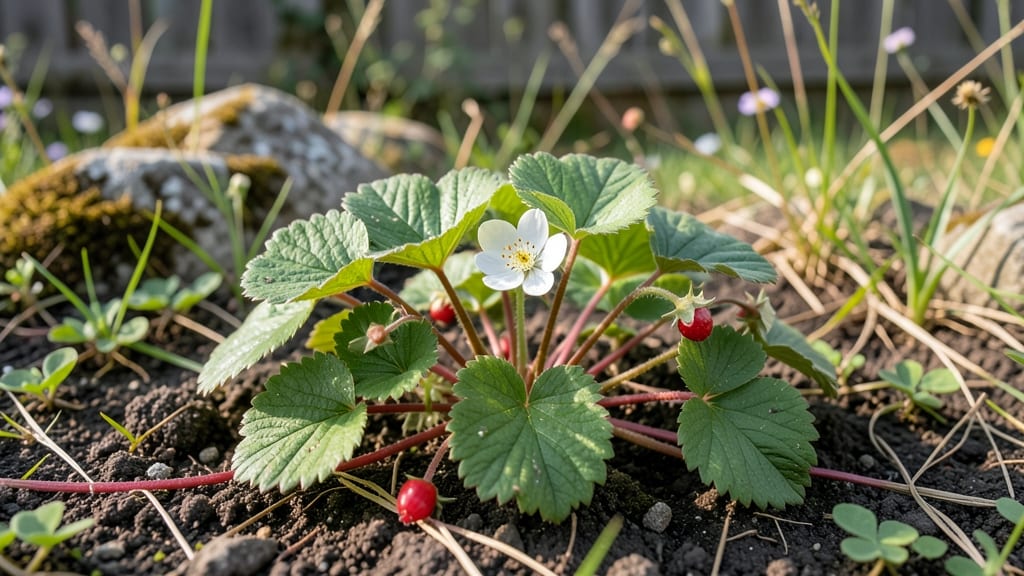
Wild strawberries fruit between late spring and early summer 🍓, with timing that changes more dramatically than you’d expect based on your climate zone.
Picture this: You’re hiking through a sun-dappled forest edge in June, and suddenly there they are—tiny, ruby-red jewels clinging to delicate runners. One week earlier, you’d have found nothing but green.
That’s how fast wild strawberries go from bloom to harvest, and missing that window means scrambling to find them the next year.
In most temperate zones, including USDA Zone 6a, wild strawberries typically fruit from late May through July, but cooler regions can push that back to June or even July. Warmer climates might see them ripen as early as May, while higher elevations could delay fruiting until early summer.
Below, I’ll break down the exact months by region, the key seasonal cues to watch for (like leaf color and berry size), and why these little berries fruit so much earlier than their garden cousins. No more guessing—just timing your wild strawberry hunt to perfection.
Wild strawberry fruiting timeline by USDA climate zones
Wild strawberries (Fragaria vesca) are nature’s earliest berries, and their fruiting window varies dramatically across USDA climate zones. Unlike cultivated varieties, wild strawberries rely on temperature cues and day length to trigger fruit production, typically appearing 4-8 weeks after flowering.
In cooler zones, you might spot ripe berries as early as late April, while warmer regions could see harvests stretching into early August. Understanding these patterns helps you time your foraging trips perfectly.
The key to predicting wild strawberry harvests lies in tracking last frost dates and bloom timing. Most wild strawberries bloom in late spring, with fruit ripening 21-28 days later. However, temperature fluctuations can delay or accelerate this process.
For example, a late frost in Zone 4 might push fruiting back to June, while a warm Zone 8 winter could bring berries as early as March. Let’s break down the exact months for each zone.
In USDA Zones 3-4, wild strawberries are late bloomers due to cold soils. Their fruiting window—late June to early July—aligns with when daytime temperatures consistently exceed 60°F.
This makes them a reliable late-spring harvest in northern climates. I’ve found the best patches along sunny forest edges where snow melts early, giving plants a head start.
Zones 5-6 offer the most predictable wild strawberry seasons, with fruit ripening between early June and mid-July. The 21-28 day bloom-to-fruit interval is most consistent here, making it easier to plan foraging trips.
Pro tip: Look for bright white flowers in May—they’re your best indicator of where to find berries in 6-8 weeks. I’ve spotted entire meadows turning red with wild strawberries during this window.
Warmer zones (7-8) bring earlier and longer fruiting seasons. Berries may appear as soon as late April and continue through early June, with some late varieties extending into July.
The key trigger here is day length—wild strawberries in these zones often bloom when days exceed 14 hours. I’ve even found winter-blooming varieties in Zone 8 that produce fruit in February after mild winters.
For Zones 9-10, wild strawberries defy traditional seasons entirely. Some varieties bloom in winter and fruit by March or April, while others produce multiple flushes throughout the year. The lack of frost means berries can ripen year-round, though peak harvests occur in spring and fall.
In my Zone 9 garden, I’ve seen wild strawberries fruiting alongside winter jasmine and calendula.
Temperature plays a critical role in ripening speed. Cooler zones (3-6) see slower development, while warmer zones (7-10) accelerate the process. For example, a 70°F day in Zone 8 can ripen ber
How to predict wild strawberry harvest months in your region
Predicting when wild strawberries (Fragaria vesca) will fruit in your area starts with understanding your last frost date. These delicate plants thrive after winter’s chill, so timing is everything.
In most temperate zones, wild strawberries begin flowering 4-6 weeks after last frost, with fruit ripening 21-28 days later. For example, if your last frost occurs April 15th, expect blooms around May 15th and ripe berries by June 10th.
Elevation plays a critical role too—higher altitudes can delay fruiting by 2-4 weeks due to cooler temperatures. If you live above 3,000 feet, adjust your timeline accordingly. For instance, a 5,000-foot elevation might push harvests into late June or early July instead of June.
Always scout local woodlands or meadows in late May to spot early blooms.
| Factor | Wild Strawberries | Cultivated Strawberries |
|---|---|---|
| Bloom Time | Late May - Early June | Early June - Mid-July |
| Fruit Ripening | June - Early July | July - August |
| Harvest Window | 4-6 weeks | 6-8 weeks |
| Key Trigger | Post-frost warmth | Controlled pollination |
| Yield Size | Small clusters | Large bunches |
To refine your predictions, monitor local weather patterns—warm spells in spring can accelerate blooming. For instance, if temperatures rise to 70°F+ for 3 consecutive days in May, wild strawberries may bloom 1-2 weeks early.
Conversely, late frosts (below 28°F) can damage flowers, delaying fruit by 2-3 weeks. Keep a simple garden journal noting bloom dates each year to track trends.
Another trick is observing wild strawberry runners, which spread aggressively in spring. When you spot new leaves unfurling along these runners (usually late April to May), count forward 4-6 weeks for harvest.
These plants are perennial, so established patches will fruit reliably year after year if not disturbed. In my Zone 7 garden, I’ve found that runners appearing by May 1st guarantee berries by mid-June.
Don’t overlook microclimates—south-facing slopes or sunny forest clearings may fruit 1-2 weeks earlier than shaded areas. If you’re new to foraging, start by searching forest edges, meadows, and roadsides in late May.
Look for bright red berries nestled in triangular leaves—these are your best indicators. Pro tip: Wild strawberries are self-pollinating, so each flower becomes a berry without needing bees!
Once you’ve mastered these methods, you’ll never miss a harvest again. Wild strawberries are nature’s early reward—sweet, tart, and packed with antioxidants. Grab a basket and head outdoors in June—you’ll know exactly where to look. Happy foraging! 🌱