
How To
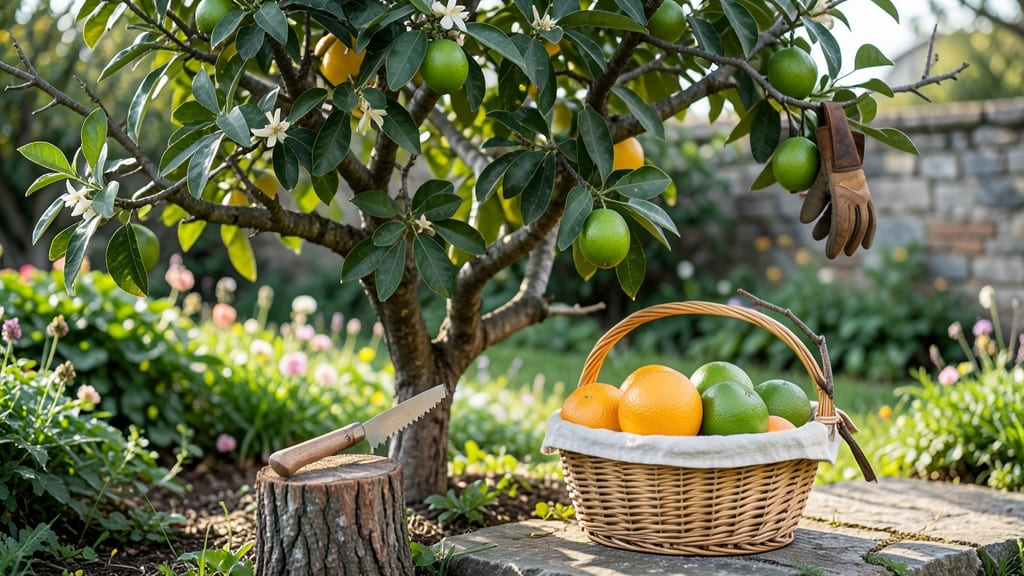
Harvest grapefruit when the skin deepens to a rich yellow-orange 🍊 and the fruit yields slightly to a gentle twist—this is the sweet spot for peak flavor and juiciness.
If you’ve ever bitten into a grapefruit that’s still tart or mealy, you know timing is everything. Picking too early means bitter, underripe fruit, while waiting too long can turn it seedy and dry. The secret lies in watching for those visual and tactile cues that signal the perfect moment.
In most subtropical climates like Zone 9b, grapefruit ripen between October and December, but variety matters—Ruby Reds mature faster than Whites or Pinks. Below, I’ll break down the exact color changes, size benchmarks, and even a taste test trick to confirm ripeness before you pick.
You’ll also discover how to adjust for early or late seasons, avoid common mistakes that ruin flavor, and store your harvest so it stays fresh for weeks. No more guesswork—just juicy, sweet grapefruit every time.
How to identify the perfect grapefruit harvest time by color and size
Grapefruit ripeness isn't just about waiting for the right month—it's about mastering visual cues that tell you when to pick.
The skin color shifts dramatically from pale green to vibrant yellow or pinkish-red, depending on the variety. Ruby Red grapefruit, for example, starts with a blush that deepens to a rich crimson, while White grapefruit turns a sunny yellow.
Timing matters because underripe fruit tastes bitter, and overripe fruit becomes mealy.
Don't rely solely on color, though. The fruit size also plays a crucial role. A fully ripe grapefruit typically measures between 3 to 5 inches in diameter, though some heirloom varieties can grow larger.
In tropical climates like Florida or California, grapefruit ripen from October to December, while in temperate zones (like parts of Arizona or Texas), the harvest window may stretch into early January. Understanding these differences ensures you don’t miss peak flavor.
Here’s a quick reference to help you spot the perfect moment to harvest:
| Variety | Skin Color at Harvest | Size Range | Harvest Months (Zone 9b) | Key Ripeness Cue |
|---|---|---|---|---|
| Ruby Red | Deep pink-red | 3.5–5 inches | November–December | Skin blushes fully; slight give when twisted |
| White | Bright yellow | 3–4.5 inches | October–January | No green patches; firm but yields gently |
| Pink | Yellow with pink blush | 4–5.5 inches | November–December | Blush covers 70%+ of skin; sweet aroma |
| All Varieties | N/A | N/A | Adjust for climate | Seeds darken to brown/black; stem detaches easily |
For Ruby Red grapefruit, watch for the skin to develop a deep pink-red blush that covers at least 70% of the fruit. These varieties often ripen slightly later than White grapefruit, so don’t rush—patience pays off with a sweeter, less bitter taste.
In contrast, White grapefruit should turn a uniform bright yellow with no lingering green patches. If you’re growing Pink grapefruit, look for a mix of yellow and pink hues, signaling the perfect balance of sweetness and tartness.
Size matters just as much as color. A grapefruit that’s under 3 inches in diameter is likely still developing its full flavor profile. On the other hand, fruit larger than 5.5 inches may start to lose crispness and develop a grainy texture.
Use your hands to gently squeeze the fruit—ripe grapefruit will yield slightly but shouldn’t feel mushy. This physical check is especially useful in temperate climates, where cooler nights can slow ripening.
Seasonal timing varies by region. In tropical climates, grapefruit trees produce fruit year-round, but the peak harvest still falls between October and December. If you’re in a temperate zone, like parts of Arizona or Texas, you might extend your harvest into early January.
Pay attention to local frost dates—even a light frost can damage the tree and reduce next year’s crop, so harvest before temperatures drop below 40°F.
One common mistake is assuming all grapefruit ripen at the same time. Some varieties, like Oroblanco, may take 2–4 weeks longer to reach peak ripeness than Ruby Red. To avoid disappointment, label your trees or keep a harvest journal to track when each variety is ready.
This simple habit ensures you don’t miss the window for your favorite types.
Finally, don’t overlook the aroma test. A ripe grapefruit emits a sweet, citrusy fragrance when gently squeezed near the stem. If it smells sour or bland, it’s not ready yet. This scent check is your final confirmation that the fruit is primed for picking—no more, no less.
Mastering these visual and tactile cues will transform your grapefruit harvest from hit-or-miss to consistently delicious. With practice, you’ll develop an instinct for the perfect moment to pick, ensuring every bite is bursting with flavor.
The taste test method: how to check grapefruit ripeness before picking
Grapefruit ripeness isn't just about color—it's about internal sweetness and flavor balance. While visual cues help, these three taste test methods reveal the true maturity of your fruit before picking. I've used these techniques for years to ensure my Ruby Red grapefruits are perfectly balanced between tart and sweet.
Start with the gentle squeeze test, which checks for firmness without bruising. A ripe grapefruit should yield slightly to pressure—like a softball—without feeling mushy. This method works best when combined with visual checks, as overripe fruit may also pass this test but lack flavor.
Next, test the stem resistance by gently twisting the fruit. If it separates cleanly from the tree with minimal force, it's ready. Resistance indicates underripe fruit, while too-easy detachment suggests overripeness. This is especially critical for pink grapefruit varieties, which can become mealy if left too long.
🌱 For the most accurate flavor check, try the 'thump test': tap the grapefruit gently against your palm. A ripe one produces a deep, hollow sound, while an underripe fruit sounds dull. This method predicts internal sweetness levels better than any other quick test.
Grapefruit continues sugaring up after reaching visual maturity. If left on the tree beyond peak ripeness, they develop excessive bitterness or become mealy. In Zone 9b climates, harvest between October and December—earlier in hotter regions, later in cooler microclimates.
🌡️ Temperature tip: Cooler nights (below 70°F) slow ripening, while heatwaves accelerate it. Adjust your harvest window accordingly.
For the ultimate test, cut into one grapefruit from each cluster. Look for deep yellow flesh with minimal white pith and fully developed seeds. The flesh should pull away cleanly from membranes—this indicates peak juiciness and sweetness.
Save underripe fruit for jellies or preserves, as they won't develop full flavor.
Remember that variety matters: White grapefruits ripen slightly earlier than Ruby Reds, while Pink varieties need that extra week to develop their signature hue and sweetness. Use these taste tests to fine-tune your harvest timing for the perfect balance every season.