
How To
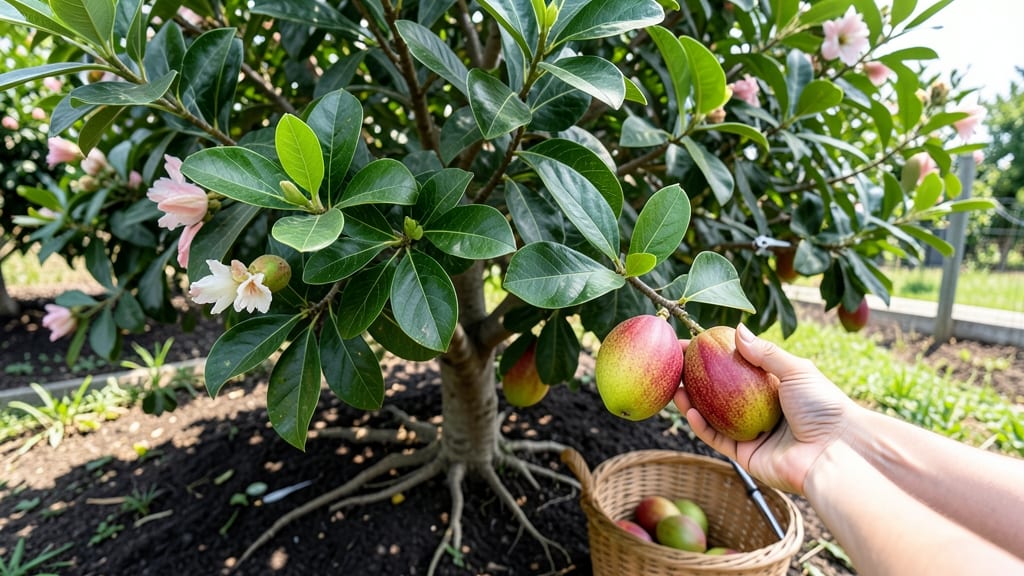
To pick guava fruit at the perfect moment means the difference between a sweet, fragrant 🥝 treat and a mealy, flavorless disappointment.
Picture this: you’ve waited months for your guava tree to flower, then fruit, only to reach for a guava and find it still hard or already mushy. That’s the frustration of guessing ripeness instead of knowing the exact cues.
From color shifts to the gentle squeeze test, I’ll walk you through the visual and tactile signs that tell you this guava is ready—plus how climate zone and variety tweak the timing.
By the end, you’ll harvest like a pro, avoiding the two biggest mistakes (overripe and underripe) and storing your fruit for maximum flavor.
Visual & physical signs guava fruit is ready for harvest
Guava fruit ripens unevenly, so spotting the perfect moment to harvest can feel like guessing—but it doesn’t have to be. The key lies in watching for three critical ripeness cues: color transformation, texture changes, and aroma development.
Each guava variety has its own timeline, but these universal signs apply across Strawberry, White, Pink, and Apple Guava types. Ignoring these cues often leads to fruit that’s either too tart or overly mushy.
First, focus on the color shift—this is your loudest signal. Unripe guavas are hard and green, but as they mature, they develop vibrant hues like pale yellow, blush pink, or creamy white, depending on the variety.
For example, Strawberry Guava turns a soft pink, while White Guava develops a pale, almost translucent skin. Pro tip: Check the side of the fruit facing the sun first—it’ll ripen faster there.
Texture is the next clue, and it’s where many gardeners go wrong. A ripe guava should feel slightly soft when gently squeezed near the stem—think of the give of a ripe peach, not a hard apple. Press too hard, and you’ll bruise it; too light, and it might still be firm. For Apple Guava, the skin should also feel smooth and slightly waxy, signaling peak ripeness.
Finally, trust your nose. A ripe guava releases a sweet, tropical aroma near the stem, almost like a mix of pineapple and vanilla. If your fruit smells bland or slightly fermented, it’s overripe.
This scent is especially strong in Pink Guava varieties, which pack the most fragrance when ready to eat.
Here’s the catch: guavas don’t ripen further after picking like bananas or avocados. That means timing is everything—harvest too early, and you’ll get a bland, seedy mess; too late, and the fruit turns mealy. The good news? These visual and physical cues make it easier to nail the window.
Let’s talk size, because it’s often overlooked. A ripe guava won’t be the largest one on the tree—overripe fruit tends to swell and split. Instead, aim for a fruit that’s reached its mature diameter (check the table above for variety-specific sizes) but hasn’t started to feel heavy or spongy.
For Apple Guava, this usually means a diameter of 4-6 inches—any bigger, and it’s likely past its prime.
One of my biggest mistakes was waiting for guavas to turn fully red before picking, only to find they were mealy inside. The lesson? Color is the first clue, but texture and scent confirm ripeness.
For example, a Strawberry Guava might look pink but still taste tart if it hasn’t developed that signature berry-like scent. Always combine all three cues to avoid disappointment.
Don’t forget the stem check: a ripe guava should separate from the tree with minimal force. If the stem resists or snaps off cleanly, the fruit isn’t ready yet. For White Guava, this is especially critical—overripe fruit can turn rubbery and lose its delicate flavor.
Twist gently, and if the fruit comes away with the stem still attached, it’s time to harvest.
Pro tip: Harvest in the early morning when temperatures are cooler. This reduces bruising and preserves the fruit’s sweetness. Store ripe guavas at room temperature for 2-3 days max, or refrigerate to extend their shelf life.
But remember, once picked, guavas won’t ripen further—so get them off the tree at the perfect moment!
If you’re still unsure, cut one open to test. A ripe guava should have juicy, pale pink or white flesh with minimal fiber. Overripe fruit will be dry, stringy, and lack flavor. Trust these cues, and you’ll enjoy guavas at their peak—sweet, aromatic, and perfectly textured.
Best time of year to harvest guava fruit by climate zone
Timing your guava harvest depends entirely on your climate zone—whether you're in a frost-free tropical paradise or a subtropical coastal area with mild winters.
In USDA Zones 10-12, guavas fruit year-round, while temperate regions (Zones 9 and below) experience seasonal harvests tied to daylight hours and temperature shifts. Understanding these patterns ensures you never miss peak flavor or waste underripe fruit.
For most guava varieties, fruit takes 6-12 months to ripen after flowering, but temperature and daylight dramatically alter ripening speed. In tropical climates, guavas may produce two harvests per year, while subtropical zones often see one extended season.
Even in temperate microclimates, container-grown guavas can extend your harvest window by 2-3 months compared to in-ground trees.
In tropical zones, I’ve noticed that Strawberry guavas ripen fastest in spring when humidity peaks, while White guavas prefer the dry heat of fall. The key is to monitor your tree’s specific variety—some, like Apple guavas, may produce year-round fruit if pollinated consistently.
Always harvest in the morning when sugars are highest and temperatures are cooler.
For subtropical gardeners, the transition from summer to fall is critical. As daylight shortens, your guava tree shifts energy from growth to fruit maturation.
This is when you’ll see color changes accelerate—don’t wait for full color if your region’s first frost is approaching. Pink guavas in Zone 9 often ripen just in time for Thanksgiving harvests, making them a seasonal favorite.
If you’re in a temperate climate, treat your guava like a tender perennial.
The last harvest of the year should happen 2-3 weeks before frost, even if fruit isn’t fully ripe. Unripe guavas can ripen indoors at room temperature for 3-5 days, but they’ll never match the peak flavor of tree-ripened fruit.
In Zone 7, I’ve had success harvesting and storing guavas in a cool, dark basement to extend their availability through winter holidays.
Pro tip: Keep a harvest journal for your first year. Note the first flower date, color change timeline, and final harvest day. Over time, you’ll predict your personalized harvest window with near-perfect accuracy.
And remember—patience pays off. The best guavas are worth the wait! 🌱🥝