
How To
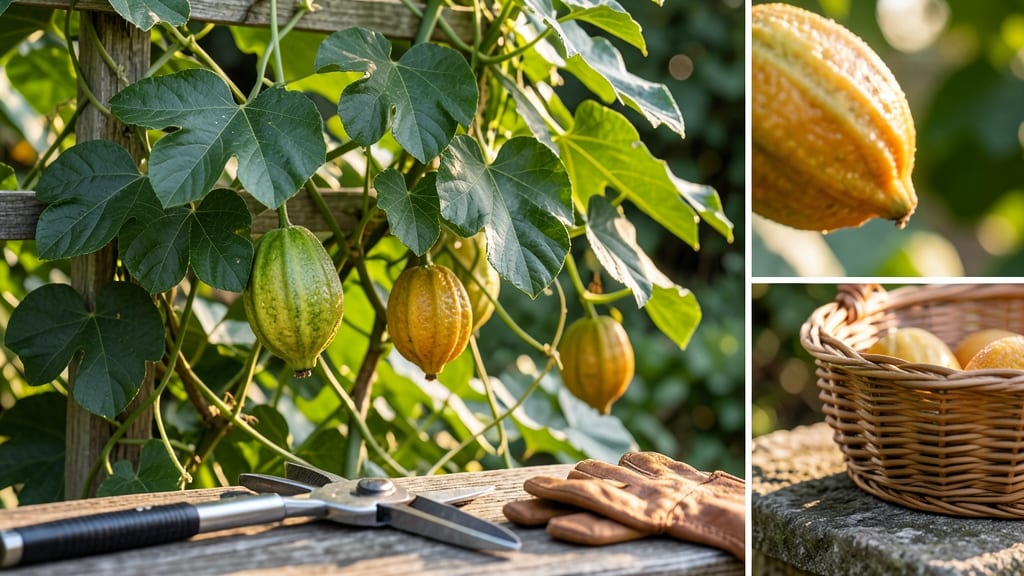
You’ll know exactly when to pick passion fruit once you master the color-check method 🍈 — and it’s easier than you think.
Harvesting too early means bland, mealy fruit; too late, and you’ve got a mushy mess. The difference between perfect ripeness and a wasted harvest comes down to a few simple visual cues — and knowing when to act on them.
From the deep purple blush of tropical varieties to the golden-yellow glow of others, color isn’t the only clue. Texture, scent, and even how the fruit feels when you gently squeeze it play a role in nailing the ideal harvest window.
Below, I break down the exact signs to watch for, seasonal variations by climate, and pro tips to avoid the most common mistakes that turn sweet passion fruit into a disappointing pulp.
Passion fruit ripeness by color: the ultimate visual guide
Passion fruit ripeness is all about color cues, but not every variety follows the same rules. The purple passion fruit (like Passiflora edulis) turns deep purple when ripe, while yellow passion fruit (like Passiflora ligularis) develops a golden hue.
Even the brownish-red varieties need careful observation—sunlight exposure plays a huge role in their final color.
Sunlight is the color catalyst for passion fruit. In full sun (6+ hours daily), fruits develop their signature colors faster, but partial shade can slow ripening and dull the vibrancy. If your fruit stays pale or patchy, it might need more light or a few extra weeks on the vine.
Here’s the color-to-ripeness breakdown you need to know before harvesting:
Don’t rely on color alone—internal ripeness matters just as much. Cut open a test fruit when colors look promising. The purple passion fruit should have a glossy, deep purple pulp with seeds embedded in jelly.
Yellow varieties need a thick, creamy texture with no liquid seepage. If the pulp is watery or the seeds are loose, wait another 3-5 days.
Sunlight exposure also affects internal sugar development. Fruits grown in hot climates (like USDA Zones 10-11) ripen faster but may concentrate sugars more intensely. In cooler zones (like Zone 9 with winter protection), fruits take longer to color but develop a milder, balanced sweetness.
Adjust your expectations based on your local climate.
Pro tip: Morning harvests preserve flavor better. The cool overnight temperatures help stabilize sugars, while picking in the afternoon heat can make fruit taste sharper. Always use clean pruning shears and twist gently to avoid damaging the vine.
If your passion fruit changes color but stays hard, it’s not ripe—it’s just sun-stressed. Give it 1-2 more weeks and check again. Overripe fruit turns mushy and fermented, losing its signature tangy-sweet balance.
The perfect window is when the fruit is fully colored, slightly soft, and fragrant.
For container-grown passion fruit, ripening can be slower due to limited sunlight and root restrictions. Move pots to a sunnier spot and fertilize with high-potassium feed (like 10-10-10) to encourage fruiting. In temperate zones, harvest timing shifts—late summer to early fall is prime for most varieties.
Remember: Patience pays off. Rushing harvests leads to underripe, seedy, or bland fruit, while waiting too long risks bird damage or rot. With this color guide and a little practice, you’ll nail the sweet spot every season.
5 Key signs your passion fruit is ready to harvest (beyond color)
Color is just the beginning when determining if your passion fruit is truly ripe. Many gardeners overlook subtle clues that reveal peak ripeness—like the fruit's texture or even its scent.
These hidden signs ensure you harvest at the perfect moment for maximum sweetness and flavor, rather than risking underripe tartness or overripe mushiness.
While yellow or purple skin signals ripeness, tropical vs. temperate climates can shift timing by weeks. In warmer zones, fruit may ripen year-round, but cooler areas often see a spring-to-fall harvest window. Understanding these variations helps you sync your harvest with seasonal cues, like bloom cycles or temperature drops.
- 1
- 2
- 3
- 4
- 5
Don’t rely solely on color—especially if your passion fruit vine is in a shady spot or experiences temperature swings. For example, purple passion fruit may stay green longer in cooler mornings, while yellow varieties can overripe quickly in direct sun.
Test ripeness by combining these 5 signs for foolproof results every time.
Pro tip: Harvest in the morning when fruits are coolest. This preserves their flavor and texture longer, whether you’re using them fresh, in smoothies, or preserving them. A sharp knife and clean cut at the stem ensure your fruit stays intact during transport.
If you’re growing passion fruit in containers, monitor these signs more frequently—their smaller root systems can accelerate ripening. In ground plantings, spread your harvests by checking multiple fruits daily, as vines often produce a mix of ripe and unripe fruit simultaneously.
🌱