
Picking
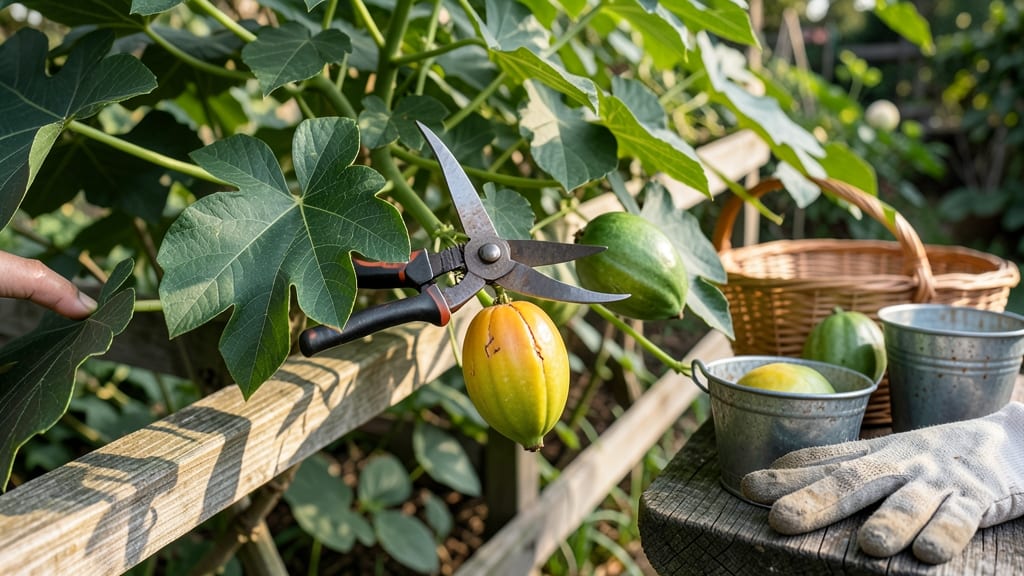
To pick passionfruit at the perfect time means catching that sweet, fragrant moment when the fruit is ready to burst with flavor.
Harvesting too early gives you a bland, seedy mess, while waiting too long means mushy disappointment. The difference between these outcomes comes down to knowing the exact visual cues and ripeness stages that signal peak harvest time.
In tropical and subtropical regions like zones 10-12, passionfruit 🍈 ripens year-round, but cooler areas (even 9b+ with protection) see harvests from late spring to early fall. Below, I’ll walk you through the color changes, scent shifts, and texture tests that guarantee you never miss the window again.
You’ll also learn how to handle overripe fruit, store passionfruit for freshness, and avoid the three biggest mistakes that ruin flavor—so you can enjoy that first juicy bite every time.
Visual cues that show passionfruit are ready for picking
Knowing exactly when to pick passionfruit transforms your harvest from a gamble to a guaranteed success. The key lies in three simple but critical visual cues: color changes, fruit texture, and aroma intensity.
Unlike many fruits that ripen off the vine, passionfruit must be picked at peak ripeness for that perfect balance of sweetness and tang. Miss these signs, and you might end up with a mealy, flavorless disappointment instead of the juicy treasure you're hoping for.
First, let's talk about the most obvious clue: fruit color. Passionfruit varieties come in different hues at maturity, but there's one universal rule—wait until the fruit fully changes color.
For purple passionfruit, this means deep purple (not just a hint of color), while yellow passionfruit should be bright golden-yellow with no green patches. The color shift happens gradually, so check your fruit every 2-3 days during peak season to catch the perfect moment.
Skin texture is another foolproof indicator. When passionfruit are ready to pick, their skin develops a slightly wrinkled, leathery feel. Run your fingers gently over the surface—if it feels firm but not hard, and has a subtle puckering, that's your cue. Avoid fruits that are still smooth and glossy, as they're not ripe yet. This texture change signals the fruit's sugars have fully developed, giving you that signature passionfruit burst of flavor.
The aroma test is often the most reliable method, especially for gardeners new to passionfruit. A ripe passionfruit emits a sweet, tropical fragrance that's impossible to miss.
Hold the fruit close to your nose and take a deep sniff—if it smells like a mix of citrus and tropical fruit with a hint of sweetness, it's ready. No scent? Not ripe yet. This natural perfume is your plant's way of saying, "I'm ready to be picked!"
| Ripeness Stage | Color Indicator | Texture Check | Aroma Test | Stem Test |
|---|---|---|---|---|
| Not Ready | Mostly green with minimal color change | Smooth, hard, and glossy skin | No noticeable scent | Stem won't detach easily |
| Partially Ripe | 50-75% color change (purple/yellow) | Slightly softer but still firm | Mild, faint fruity smell | Stem pulls with resistance |
| Perfectly Ripe | Deep, consistent purple/yellow/orange | Slightly wrinkled, leathery feel | Strong sweet-tropical aroma | Stem detaches with slight twist |
| Overripe | Dull, faded color with wrinkles | Very soft, mushy texture | Fermented, strong smell | Stem falls off easily |
Don't overlook the stem test, which is especially useful when you're harvesting multiple fruits. Gently grasp the fruit and twist it slightly at the stem. If it detaches with minimal effort (like unscrewing a jar lid), it's ready.
If the stem resists or snaps, wait another day or two. This test works because the fruit naturally separates from the vine as it matures, making it easier for animals (and you!) to harvest it.
Timing your harvest is also crucial. Morning is the best time to pick passionfruit because the cooler temperatures help preserve their freshness. Avoid harvesting in the heat of the day, as the fruit can overripen quickly once picked.
If you notice your passionfruit vine producing more flowers than fruit, it might need better pollination—try gently shaking the vine or attracting pollinators like hummingbirds to your garden.
One common mistake I see is waiting too long because the fruit looks "ripe" but has lost its flavor. Overripe passionfruit becomes mushy and develops a fermented smell—completely different from the fresh, sweet aroma of a perfectly ripe one.
When in doubt, pick slightly earlier rather than later. You can always let them ripen further indoors at room temperature, but you can't reverse the damage of overripeness.
Pro tip: Keep a small notebook near your passionfruit vine to track when you see the first color changes. This helps you anticipate the harvest window for subsequent fruits.
I've found that in my USDA Zone 11 garden, purple passionfruit typically take about 180-240 days from flowering to full ripeness, while yellow varieties mature slightly faster. Adjust this timeline based on your local climate and growing conditions.
Finally, remember that passionfruit ripeness varies by variety. Purple passionfruit (Passiflora edulis) and yellow passionfruit (Passiflora edulis flavicarpa) have slightly different ripening characteristics, so always check all three cues—color, texture, and scent—rather than relying on just one. With practice, you
Passionfruit ripeness stages: from green to perfectly ripe
Understanding the passionfruit ripeness stages transforms your harvest from hit-or-miss to consistently delicious. These tropical vines take 6 to 12 months from flower to ripe fruit, depending on your climate and variety.
In warmer zones like USDA 10-12, you might see fruit ready as early as 180 days, while cooler microclimates could extend this to 365 days. The key is recognizing these subtle but critical changes in color, texture, and scent that signal perfect ripeness.
Climate plays a surprising role in timing. Coastal areas with humid heat often produce fruit faster than inland regions with hotter but drier air. Even a 5°F temperature drop can delay ripening by weeks.
That's why gardeners in Zone 9b with winter protection sometimes harvest two crops per year—one in spring and another in fall—while tropical growers enjoy year-round production. Paying attention to these seasonal cues helps you anticipate when to check your vines for ripe passionfruit.
- 1 Flowering Stage (0-30 days): Bright orange or purple flowers appear. This marks the start of the 3-6 month ripening process. Note the first flowers to track your harvest timeline.
- 2 Green Fruit Stage (30-90 days): Fruits grow 1-3 inches and turn green. They're hard and unripe—don't pick yet! This stage lasts 2-3 months, longer in cooler climates.
- 3 Color Transition (90-150 days): Skin starts showing purple, yellow, or orange hues (varies by variety). The fruit feels slightly softer when gently squeezed. This is the critical picking window—wait too long, and flavor peaks.
- 4 Peak Ripeness (150-240 days): Fruit is deeply colored, slightly wrinkled, and emits a sweet aroma when near the vine. The stem detaches easily with a twist. This is your ideal harvest window for maximum sweetness.
- 5 Overripe Stage (240+ days): Fruit becomes soft and mushy, with a fermented smell. While edible, flavor is less vibrant. Overripe fruit also attracts pests like fruit flies—remove promptly to protect your crop.
Timing your harvest correctly depends on recognizing these visual ripeness cues. For example, purple passionfruit varieties like 'Panama Red' will show deep magenta hues, while yellow varieties like 'Golden Passionfruit' turn bright golden-yellow. The wrinkled skin is a universal sign—it indicates the fruit's sugars have fully developed.
Pro tip: If you're unsure, do the twist test. A ripe passionfruit will separate cleanly from the vine with minimal resistance.
Climate affects not just timing but also flavor intensity. Passionfruit grown in humid coastal areas tend to develop brighter colors and more aromatic pulp, while those in drier inland regions may have slightly tartier profiles.
To maximize sweetness in cooler climates, consider using black plastic mulch around the base of your vines. This raises soil temperature by 5-10°F, accelerating ripening by 10-15 days. Even a small greenhouse or cold frame can make a difference in Zone 9b gardens.
Remember that passionfruit continue ripening after harvest, so don't rush to pick them. Store them at room temperature for 3-5 days to develop full flavor, or refrigerate for up to 2 weeks if you need to extend their shelf life.
The sweetest passionfruit are those picked at the peak of ripeness—when color, texture, and scent all align perfectly. With practice, you'll develop an instinct for the perfect moment to harvest, turning your vine into a year-round sweetness machine. 🌱🍈