
Trees
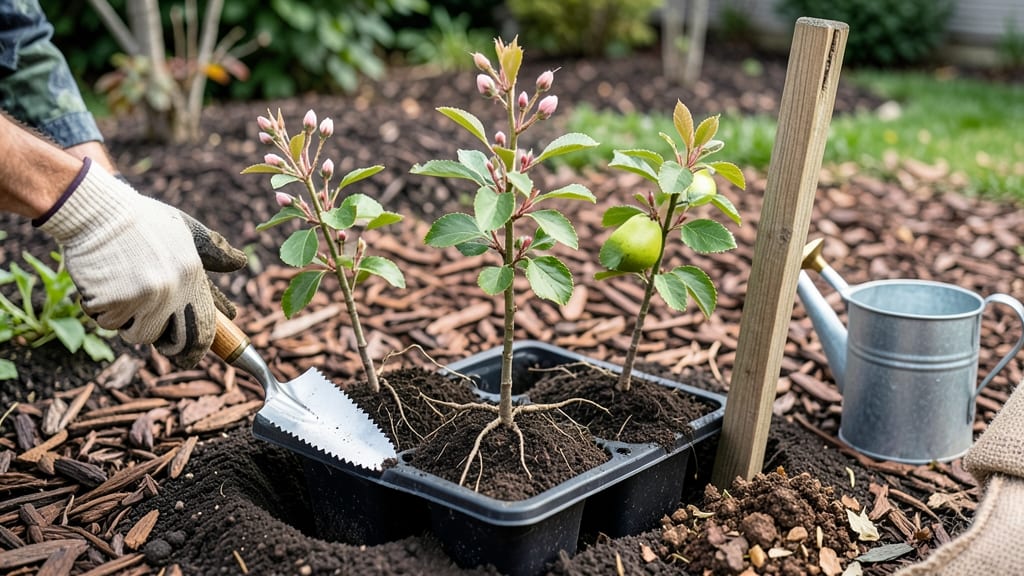
Planting fruit trees in Washington State at the right time means the difference between a bountiful harvest and years of frustration—timing your spring planting to chill-hour zones and frost-free dates is everything.
Picture this: You’ve spent months picking out the perfect apple or cherry tree, only to watch it struggle because you planted it too early or too late.
In Washington, where chill hours range from 300 to 1,200, getting the timing wrong can mean stunted growth, poor fruit set, or even tree death.
Western Washington’s milder winters give you a broader window, while Eastern Washington’s harsh frosts demand precision. Whether you’re in the Puget Sound or the Yakima Valley, knowing when to plant ensures your 🌱 fruit trees thrive—and that means fewer wasted dollars and more homegrown goodness.
Below, I break down the exact frost-free timelines for your region, the best varieties for your chill hours, and pro tips to protect young trees from late frosts. Ready to plant with confidence?
Washington State chill-hour zones: matching fruit trees to your location
Washington State's diverse climate creates unique chill-hour requirements for fruit trees, ranging from 300 hours in the Yakima Valley to over 1,200 hours in the Cascades. These chill hours (temperatures between 32-45°F) trigger fruit tree dormancy and determine which varieties will thrive in your area.
Choosing the wrong variety can result in poor flowering, low fruit set, or even tree death.
For example, apples like Honeycrisp need 800-1,000 chill hours and excel in Western Washington's milder winters, while cherries such as Bing require 600-800 chill hours and grow best in Eastern Washington's colder climate. Understanding these zones ensures you select fruit trees that will produce abundant harvests year after year.
Here's a quick reference for Washington's primary chill-hour zones and the best fruit trees to plant in each:
In the Western Washington regions like the Puget Sound, where winters are milder, you'll want to focus on high-chill varieties that can handle 800+ hours of cold. Varieties like Honeycrisp apples and Fuji apples thrive here because they require extended cold periods to break dormancy.
These areas also benefit from Asian pears, which handle the maritime climate well.
The Cascades region presents unique challenges with its high elevation and extended cold periods. Here, trees need to withstand 1,000+ chill hours, making varieties like Gala apples and Braeburn apples excellent choices. The cooler temperatures and longer winters create ideal conditions for these cold-hardy varieties to produce high-quality fruit.
For Eastern Washington, particularly the Yakima Valley, the story changes dramatically. With 300-600 chill hours, traditional apple varieties won't survive. Instead, low-chill cherries like Bing and Lapins dominate local orchards. These varieties have adapted to the region's shorter winters and produce abundant fruit despite the limited cold exposure.
If you're in the Columbia Basin, where summers are hot and dry, focus on drought-tolerant fruit trees like Starking Delicious apples and Chelan Sweet cherries. These varieties can handle the region's 400-600 chill hours while also enduring the intense summer heat.
Proper irrigation planning is crucial in these areas to ensure your trees stay healthy during dry spells.
Even within these broad regions, microclimates can drastically affect chill hours. For example, a south-facing slope in the Cascades might receive 200 fewer chill hours than a nearby valley, making it unsuitable for high-chill varieties.
Always check local USDA Hardiness Zone maps and consult with local nurseries to fine-tune your selections.
When selecting fruit trees, always check the chill-hour requirements on the nursery tag or website. Many modern varieties are bred for specific chill-hour ranges, so don't assume an "apple tree" will work everywhere.
For instance, a 600-chill-hour cherry tree planted in the Puget Sound (1,000+ chill hours) may never produce fruit because it won't receive enough cold exposure to break dormancy.
Pro tip: If you're unsure about your local chill hours, use a chill-hour calculator or contact your local Cooperative Extension office. They can provide precise data for your specific location, helping you make the best choice for your orchard.
With the right variety, your fruit trees will reward you with abundant harvests for decades to come. 🌳
Optimal planting timelines by Washington region: frost-free windows explained
Washington State's diverse climate means frost-free planting windows vary dramatically between regions. In the Puget Sound, mild winters allow planting as early as late February, while Eastern WA often waits until mid-April to avoid late frosts.
Understanding these timelines ensures your fruit trees establish roots before summer heat arrives.
For Western WA, including Seattle and Olympia, the last frost typically occurs between March 15-30. This means you can start planting bare-root trees in late February or early March for varieties like apple and cherry.
In contrast, Eastern WA regions like Spokane and Yakima experience later frost dates, often May 1-15, requiring delayed planting.
Here’s how to align your planting with Washington’s frost-free windows:
In late-winter, focus on soil preparation—amend clay-heavy soils with compost and ensure proper drainage. For early-spring planting, prioritize bare-root trees to give roots time to establish before summer droughts.
Always check local USDA Hardiness Zones (e.g., Zone 7-9 in Western WA, Zone 5-7 in Eastern WA) to confirm suitability.
Protect young trees from late frosts using frost cloth or row covers, especially in Eastern WA where sudden cold snaps can damage new growth. Water deeply after planting to encourage root development, and mulch around the base to retain moisture and regulate soil temperature.
Timing isn’t just about frost—it’s also about chill hours. For example, apple trees in Western WA need 500-800 chill hours, while peaches in Eastern WA thrive with 300-500 chill hours. Match your variety to your region’s climate for the best results.
By following these frost-free windows, you’ll give your fruit trees the best possible start—leading to healthier growth and bountiful harvests in years to come. Happy planting! 🌳