
Vegetables
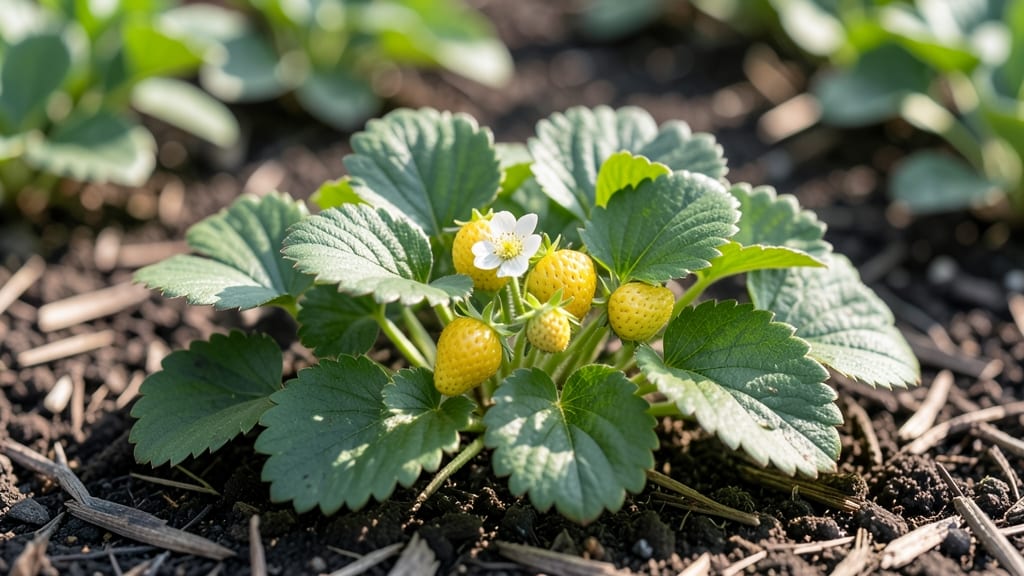
Yellow strawberry fruit isn’t just a sign of overripeness—it’s often a cry for help from your plants. 🌱 Whether it’s gray mold creeping in or calcium deficiency turning leaves yellow, understanding the cause is the first step to saving your harvest.
I’ve seen this happen after heavy rain or when plants get crowded, and the right fix can turn things around fast.
The most common culprits are fungal infections like gray mold or nutrient imbalances, especially calcium. Check for soft, mushy spots or white fuzz—those mean immediate action.
If leaves yellow first, soil pH or fertilizer might be off. A simple soil test or adjusting your watering can make all the difference.
Prevent it by harvesting promptly when strawberries turn red, spacing plants for airflow, and using mulch to keep berries dry. For existing issues, prune affected leaves, apply fungicide if needed, and add lime to soil if calcium’s the problem. You’ll see healthier green plants and sweeter fruit within weeks.
This isn’t just about fixing yellow fruit—it’s about long-term plant health. Once you spot the signs early, you’ll keep your strawberries vibrant, productive, and free of mold. The key is acting fast before the problem spreads.
The Science Behind Pale Berries
If you’ve ever picked a strawberry expecting vibrant red and found a pale, yellowish fruit instead, you’re not alone. While yellow strawberries might seem like a rare treat, they’re often a sign of underlying issues—whether environmental, genetic, or even pest-related.
Understanding these causes can help you grow better berries (or at least know when to toss the sad ones!). Here’s why your strawberries might be turning out more sunshine than summer red.
Some strawberries are naturally pale due to genetics. This isn’t a flaw—it’s a trait! Certain heirloom or wild strawberry varieties, like the Fragaria vesca (woodland strawberry), produce small, yellowish fruits because they lack the red pigment anthocyanin, which gives most strawberries their signature color.
Even some modern hybrids might revert to this trait if bred for disease resistance over color.
How to spot it: If your strawberries are consistently pale across the entire plant (not just a few), genetics could be to blame. Actionable fix: If you love the flavor but not the color, stick with these varieties—they’re often sweeter and more aromatic!
Strawberries need 6–10 hours of sunlight daily to develop their signature red hue. But too much or too little can throw off their color:
- ✅ Ideal sunlight: Bright, direct light triggers anthocyanin production, the pigment responsible for redness. Without it, fruits stay pale or develop a greenish-yellow tint.
- ❌ Too much shade: If your plants are under trees, fences, or overcrowded, they’ll stretch toward light (a process called etiolation) and produce smaller, paler berries.
- ❌ Too much heat: Extreme temperatures (above 90°F/32°C) can bleach the color out of ripening strawberries, leaving them yellowish or even white.
Actionable fix:
- 🌿 Rotate plants every few weeks to ensure even sunlight exposure.
- 🌞 Use shade cloth (30–50% coverage) in scorching climates to prevent heat stress.
- 📍 Choose a sunnier spot—even a few extra hours of light can make a difference!
Water stress—whether from drought or overwatering—can turn strawberries pale and mealy. Here’s how:
| Issue | Effect on Color | Fix |
|---|---|---|
| Underwatering | Fruits shrivel and develop a dull yellow-green tint due to poor nutrient uptake. | 💧 Water deeply 1–2 inches per week (more in heatwaves). Use drip irrigation to keep roots moist. |
| Overwatering | Excess moisture dilutes soil nutrients, leading to pale, waterlogged berries and fungal issues (like gray mold). | 🌱 Improve drainage with compost or raised beds. Water at the base, not the leaves. |
| Inconsistent watering | Uneven ripening causes patchy yellowing (some red, some pale). | ⏰ Stick to a consistent schedule—mulch to retain moisture. |
Strawberries are cool-season crops—they thrive in temperatures between 50–85°F (10–29°C). Push them outside this range, and their color (and flavor) suffers:
- 🥶 Cold stress: Below 40°F (4°C), anthocyanin production stops, leaving berries pale or even white. Early spring or late fall frosts are common culprits.
- 🔥 Heat stress: Above 90°F (32°C), enzymes that produce red pigments break down, resulting in yellowish, bland fruits.
Actionable fix:
- 📅 Time your harvest—pick strawberries when temps are mild (early morning or evening).
- 🏡 Use row covers in spring/fall to protect from frost.
- 🌿 Mulch heavily to regulate soil temperature in heatwaves.
Not all pale strawberries are harmless—some are signs of trouble. Pests and diseases can strip color and ruin flavor:
- 🐜 Spider mites or aphids: These sap-suckers weaken plants, leading to yellowing leaves and pale, underripe berries.
- 🍄 Gray mold (Botrytis): Fungal infections cause yellowish, mushy spots on fruits and leaves.
- 🐛 Strawberry weevils: Larvae burrow into fruits, causing discolored, stunted berries.
Actionable fix:
- 🔍 Inspect plants weekly for holes, webbing, or spots.
- 💦 Spray neem oil or insecticidal soap for pests; use copper fungicide for mold.
- 🌱 Rotate crops and remove debris to prevent reinfection.
Strawberries need a balanced diet of nutrients to develop color. A deficiency in key elements can turn berries pale or even greenish:
| Deficiency | Symptoms | Fix |
|---|---|---|
| Nitrogen (N) | Pale yellow leaves (older first), weak growth, small berries. | 🌱 Add compost or blood meal; avoid over-fertilizing with nitrogen. |
| Phosphorus (P) | Dark green leaves with purplish stems; pale, weak fruits. | 💊 Use bone meal or rock phosphate at planting. |
| Potassium (K) | Yellowing leaf edges; berries stay
Revive Your Strawberry HarvestWhen your strawberries turn a dull yellow instead of vibrant red, it’s often a sign they’re overripe, underripe, or struggling with environmental stress. But don’t toss them yet—here’s how to save, repurpose, or prevent this common issue so you can still enjoy (or cook with) your fruit. If your strawberries have already turned yellow, they might still be usable—just not ideal for fresh eating. Try these quick fixes: 🔥 Turn Them Into Jam or Compote Yellow strawberries are perfect for cooking because their natural sugars caramelize beautifully.Skip the peeling step and use them in: - Strawberry jam (simmer with sugar and lemon juice for 10–15 minutes). - Compote (cook with honey, cinnamon, and a splash of water for a sweet topping). - Smoothies (blend with yogurt, banana, or oat milk for a creamy drink). 🥫 Preserve Them for LaterIf you can’t use them immediately, preserve them to extend their shelf life:
Stop strawberries from turning yellow before they ripen with these proactive tips: 💡 Optimize Growing Conditions
🍎 Harvest at Peak Ripeness
🛡️ Protect from Pests & Disease
If prevention isn’t an option, get creative! Yellow strawberries can still shine in:
💡 Pro Tip: If your strawberries are soft but not moldy, they’re still great for homemade wine or vinegar—just strain out the pulp before fermenting! By acting fast and adjusting care habits, you’ll minimize waste and maximize flavor—even from less-than-perfect fruit. 🌟 Frequently asked questions
1
Are yellow strawberries safe to eat?Yes, they’re perfectly safe! Yellow strawberries are often just overripe or a natural variety like Fragaria vesca. If they’re soft but not moldy, use them in baking, jams, or smoothies. Avoid any with mushy spots or white fuzz—those indicate gray mold and should be discarded.
2
Why do my strawberries turn yellow before fully ripening?This usually signals stress from nutrient deficiencies (like calcium or potassium), fungal infections, or poor airflow. Check for white fuzz (gray mold) or yellowing leaves. Improve soil with compost, prune crowded plants, and water consistently to prevent this.
3
Can I fix yellow strawberries by storing them differently?Not if they’re already overripe, but you can slow ripening in unripe ones! Store them in the fridge (not the door) with a paper towel to absorb moisture. For yellow berries, freeze them whole or make jam—they’re sweeter when cooked!
4
Are there strawberry varieties that stay yellow?Varieties like Alpine strawberries or golden strawberries naturally produce pale yellow fruits. These are often sweeter and more aromatic than red types. If you love the flavor, try planting them in sunny, well-drained soil.
5
How do I prevent yellow strawberries next season?Focus on soil health (add compost), proper spacing (3–4 inches between plants), and consistent watering. Use mulch to retain moisture and prevent fungal spores from splashing onto berries. Harvest promptly when 70% red! |