
Aphids
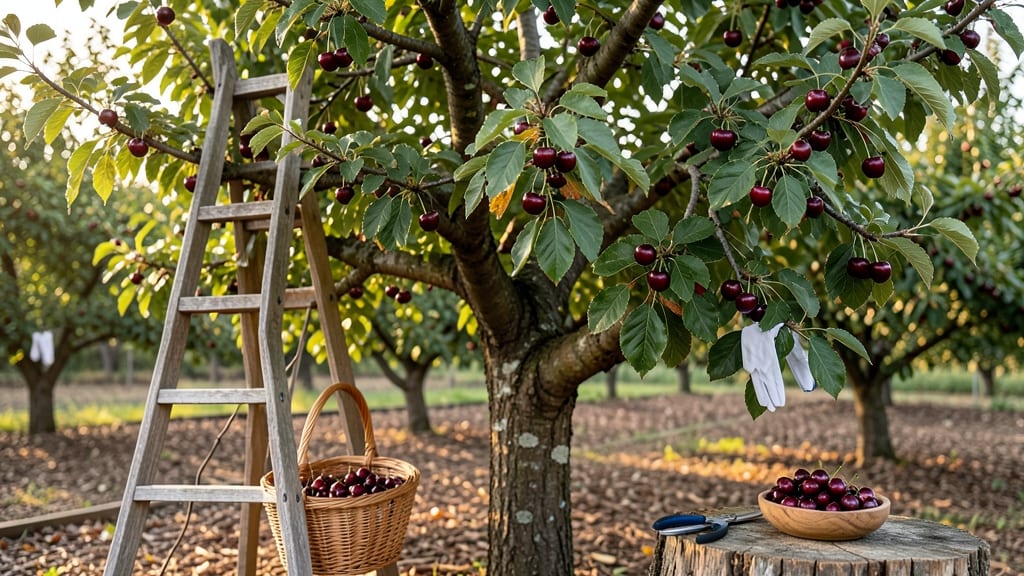
Knowing the cherry fruiting season for your variety means the difference between a burst of sweetness and a bitter disappointment—and it all starts with timing.
Picture this: you’ve been waiting months for those 🍒 to ripen, only to find them still tart or falling off the tree before they’re ready.
That’s why nailing the exact months for your sweet, sour, or tart cherries is game-changer—especially in Zone 6, where late frosts can throw off even the best-laid plans.
Sweet cherries like Bing or Rainier typically fruit in late June to early July, while sour varieties such as Montmorency peak a few weeks earlier.
But climate plays a role—too much heat or a sudden cold snap can shift the season by weeks, and that’s where knowing your tree’s quirks saves the harvest.
In this guide, I’ll break down the exact months for your cherries, how to spot the perfect ripe fruit, and pro tips to stretch your harvest longer—so you’re picking juicy, flavorful cherries instead of scrambling to save a crop.
When do cherries fruit? Exact months for sweet vs. sour varieties
Timing your cherry harvest is like catching a summer wave—miss it, and you're left with underripe fruit or empty branches. The cherry fruiting season varies dramatically between sweet and sour varieties, with even more regional twists depending on your USDA zone.
Whether you're growing Bing cherries for pies or Montmorency tart cherries for jams, knowing these exact windows means the difference between a bumper crop and disappointment.
In most USDA zones 5-9, cherries bloom in late April to early May, but fruiting timelines shift based on variety. Sweet cherries like Rainier or Lapins typically ripen 60-75 days after flowering, while tart cherries such as Montmorency or Balaton take 75-90 days.
Early bloomers like Stella can fruit as early as late June, while late varieties like Black Tartarian may not ripen until mid-August.
Here’s the breakdown you need to plan your harvest—because waiting too long means birds and squirrels will beat you to it!