
Plants
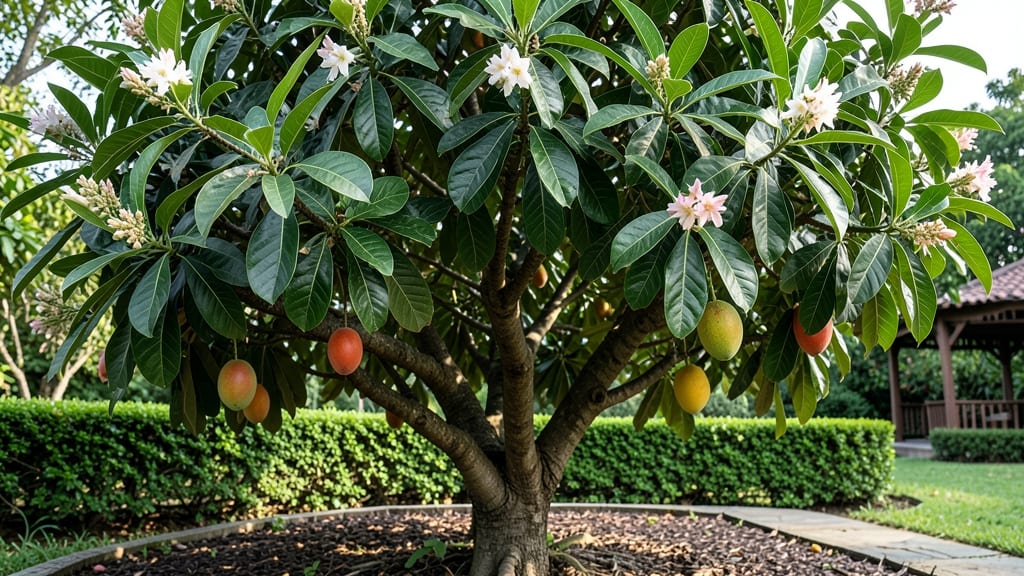
The development of mango fruit stages is a fascinating journey from delicate blossoms to sweet, ripe fruit 🥭—one that rewards gardeners who understand the timing and care at each step.
If you’ve ever watched your mango tree burst into white and pink flowers only to see most of them drop without setting fruit, you’re not alone. The key to a successful harvest lies in recognizing each stage—from pollination to ripening—and knowing exactly what your tree needs to thrive.
In this guide, I’ll walk you through every phase, from the moment those first blossoms appear to the day you pluck a perfectly ripe mango. You’ll learn how to spot healthy fruit set, avoid common pitfalls like premature drop-off, and determine the exact moment to harvest for peak flavor.
Whether you’re a first-time mango grower or a seasoned gardener, these insights will help you maximize your yield and enjoy the sweet satisfaction of homegrown tropical fruit.
Mango flowering stages: when and how to identify healthy blooms
Understanding the mango flowering stages is your first step toward a fruitful harvest. These tropical trees produce stunning panicle-shaped blooms that transform into sweet fruit when pollinated correctly. Each stage—from bud formation to post-flowering—requires specific conditions to ensure healthy blooms and successful fruit set.
Mango trees typically bloom in late winter to early spring, with varieties like Keitt and Alphonso showing distinct timing differences. The process begins with pre-flowering buds that swell and turn pinkish, signaling the start of the blooming cycle.
Recognizing these visual cues early helps you prepare for optimal pollination and care.
| Stage | Visual Cues | Duration | Care Tips |
|---|---|---|---|
| Pre-Flowering | Bud clusters swell, pinkish-green tips appear | 2-4 weeks | Ensure 60-80°F temps, 60% humidity |
| Full Bloom | White/pink flowers open, panicles fully visible | 7-10 days | Hand-pollinate if low bee activity, avoid overwatering |
| Post-Flowering | Petals drop, fruit set begins (tiny green fruits) | 2-3 weeks | Thin fruits to 6-inch spacing, monitor for pests |
| Fruit Development | Fruits grow rapidly, color shifts from green to yellow/red | 8-12 weeks | Maintain consistent moisture, fertilize lightly |
The pre-flowering stage is critical for setting the stage for healthy blooms. During this 2-4 week period, your mango tree’s buds will begin to swell and develop pinkish-green tips.
This is when environmental factors like temperature (60-80°F) and humidity (60% or higher) play a pivotal role. If temperatures drop below 55°F, blooms may abort, leading to poor fruit set.
When the tree reaches the full bloom stage, you’ll see clusters of white or pale pink flowers opening along the panicles. This stage lasts about 7-10 days, and it’s your best opportunity to ensure pollination.
While mango trees are self-pollinating, cross-pollination by bees or even hand-pollination with a small brush can significantly boost fruit production, especially in low-bee-activity zones.
Avoid the common mistake of overwatering during this phase, as soggy soil can cause bloom drop or fungal issues. Instead, water deeply but infrequently—about once every 7-10 days—to encourage strong root development.
If you notice dropping petals too early, it may signal stress from temperature fluctuations or nutrient deficiencies.
After the petals fall, the post-flowering stage begins, marking the transition to fruit set. Tiny green fruits will start appearing, but not all will survive. This is the time to thin fruits to 6-inch spacing to ensure larger, healthier mangoes.
Remove any small or deformed fruits to redirect the tree’s energy toward the remaining ones.
One of the biggest mistakes gardeners make is ignoring pest activity during this stage. Watch for fruit flies or anthracnose fungus, which can attack young fruits.
Apply organic neem oil or copper fungicide preventatively if you’re in a humid climate. Regular inspections will help you catch issues early and protect your developing crop.
As the fruits enter the development phase, they’ll grow rapidly and begin shifting from bright green to yellow, orange, or red, depending on the variety. This is when your mango tree will need consistent moisture and balanced fertilization.
Use a slow-release fertilizer with a 10-10-10 NPK ratio every 6-8 weeks to support steady growth without overstimulating the tree.
Pro tip: If you’re growing multiple mango varieties, plant them close together to encourage cross-pollination. Varieties like Keitt and Cogshall are known to pollinate each other effectively, increasing your chances of a higher fruit yield.
Keep a garden journal to track bloom times and pollination success for future reference.
By mastering these mango flowering stages and their care requirements, you’ll set your tree up for a successful fruit set and a bountiful harvest. Pay attention to the visual cues, adjust your care routine as needed, and soon you’ll be enjoying homegrown mangoes straight from your backyard tree! 🌱🌿🥭
Fruit set to green maturity: critical growth phases and care requirements
Once your mango blossoms have successfully set fruit, the next 60-90 days are critical for developing healthy, viable green mangoes. This phase transforms tiny peasized fruits into firm, green mangoes ready for ripening.
Understanding each growth milestone helps you provide the right care and avoid common pitfalls like fruit drop or pest damage.
During this stage, your mango tree demands consistent watering, balanced nutrients, and pest vigilance. The fruit grows rapidly, shifting from green pea-sized to golf-ball size and beyond.
Proper care ensures the fruit reaches green maturity, where it’s firm, disease-resistant, and ready to ripen on the tree or off.
- 1 0-14 Days Post-Flowering: Fruit set occurs as tiny pea-sized fruits form. Prune excessive fruit to prevent overburdening the tree. Monitor for fruit fly activity.
- 2 15-30 Days: Fruits grow to marble size (0.5-1 inch). Increase watering frequency to deep soaks twice weekly. Apply potassium-rich fertilizer to support cell growth.
- 3 30-45 Days: Fruits reach golf-ball size (1.5-2 inches). Watch for anthracnose (brown spots) and treat with copper fungicide if needed. Thin fruits if overcrowded.
- 4 45-60 Days: Fruits develop smooth skin and firm texture. Reduce nitrogen fertilizer to avoid excessive foliage at fruit’s expense. Mulch to retain moisture.
- 5 60-90 Days: Green maturity achieved—fruits are 2-3 inches and deep green. Reduce watering slightly to prevent cracking. Harvest now or wait for ripening cues.
Distinguishing viable fruit from potential drop-offs is key. Healthy fruits grow steadily and develop a smooth, glossy skin. If you notice yellowing, wrinkling, or premature dropping, these are signs of nutritional deficiencies or environmental stress.
Address issues quickly by adjusting watering, fertilizer, or shade as needed.
Pests like fruit flies and anthracnose fungus are major threats during this phase. Fruit flies lay eggs in developing fruit, leading to maggot-infested mangoes. Use yellow sticky traps and organic sprays like neem oil. For anthracnose, apply copper fungicide preventatively every 4-6 weeks during wet seasons.
By day 60, your mangoes should be green and firm, signaling they’ve reached green maturity. At this stage, you can either harvest and ripen off the tree or leave them to ripen naturally.
Proper care during this phase ensures high-quality fruit with optimal flavor and texture.