
Pruning
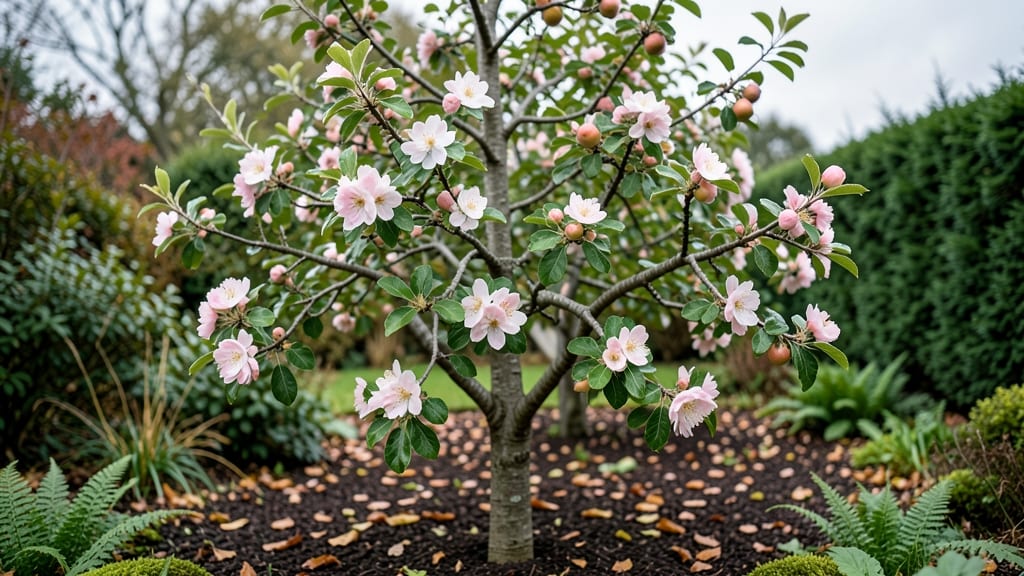
My crabapple tree bursts with spring blooms and tiny fruit every year—thanks to a pruning schedule that keeps it healthy and productive. 🌸 The secret isn’t just cutting branches, but understanding when and how to shape the tree for maximum blooms and fruit.
Most gardeners prune once in late winter, but crabapples respond best to year-round attention that prevents disease and encourages new growth.
Start with the right variety—some crabapples are prized for their flowers, others for their fruit (like crisp, tart snacks or jelly). Plant in full sun with well-draining soil, and water deeply once a week during the first year.
The key to fruit production lies in pruning: open the center of the tree for sunlight, remove dead wood, and thin out crowded branches. I’ve seen trees go from sparse blooms to overflowing branches just by adjusting my pruning timing.
By summer, you’ll notice fresh green shoots—these are your future fruit-bearing branches. Light pruning in late summer removes any suckers or crossing branches, while winter pruning (after dormancy) sets the stage for next year’s blooms.
The result? A tree that looks stunning in spring, produces fruit in fall, and stays disease-free all year. It’s the kind of tree that makes neighbors ask, “What’s your secret?”
Works for both ornamental and edible varieties, whether you’re growing in a backyard, urban yard, or even a large container. The same principles apply—just adjust the scale. Let’s get that tree thriving!
📚 In This Guide
- What you need
- Instructions
- Tips and common mistakes
- Wrapping up and next steps
What you need
- ● Pruning shears: Bypass pruners (sharp, 6–8" blades) for cutting branches up to ½-inch thick.
- ● Loppers: 1 pair (8–10" blades) for branches ½–1½ inches thick.
- ● Pruning saw: 1 curved-tooth saw for thicker branches (1½+ inches).
- ● Gloves: Heavy-duty, cut-resistant gloves (1 pair) to protect hands from thorns.
- ● Disinfectant: 70% isopropyl alcohol or a 10% bleach solution (1 small bottle) to sterilize tools between cuts.
- ○ Pruning sealant: Optional but helpful (e.g., tree wound paint) for larger cuts.
- ● Ladder: Extendable or step ladder (if tree exceeds 6 feet tall).
- ● Bucket or tarp: 1 large container or tarp to collect debris.
- ● Hand pruners: For fine-tuning small branches or deadheading spent blooms.
- ● Pole pruner: For high branches without a ladder (extendable, 6–10 ft).
- ● Work gloves: Lightweight for comfort during extended sessions.
- ● Safety glasses: To shield eyes from debris.
- ● Notebook & pen: To jot down pruning notes or mark branches for future reference.
How to prune a crabapple tree for year-round health and beauty
Here’s the simple, seasonal approach I use to keep my crabapple trees flowering like crazy and producing fruit for years.
✂️ Step 1: Late Winter Cleanup (Dormant Season)
Prune your crabapple tree in late winter or early spring—right before buds swell but before new growth starts. This is when the tree is dormant and less stressed. Start by removing dead, diseased, or crossing branches first. These are easy to spot—they’re brown, brittle, or growing directly into other branches.
Use clean, sharp pruners to make cuts at a 45-degree angle just outside the branch collar (that swollen area where the branch meets the trunk). I always sanitize my tools with rubbing alcohol between cuts to prevent spreading disease. Remove any suckers (shoots growing from the base) and water sprouts (fast-growing vertical shoots) too—they drain energy from fruit production.
☀️ Step 2: Light Summer Pruning (After Flowering)
After your crabapple tree finishes blooming in late spring or early summer, do a quick check for branches that grew too thick or crowded. Focus on thinning out any branches that are rubbing against each other—these will eventually create wounds that invite pests and disease.
Look for branches that grow inward toward the center of the tree. These block light and air circulation, which weakens the tree. Cut these back to an outward-facing bud or branch. Keep your cuts small—never remove more than 25% of the tree’s canopy in one session. This ensures the tree stays strong enough to support fruit later in the season.
✂️ Step 3: Fall Maintenance (Preparing for Winter)
In early fall, before the first hard frost, give your crabapple tree one last trim. Remove any dead or diseased branches that might have appeared over the summer. Also, look for branches that grew too long or became weak—these are prone to breaking under winter snow or ice.
Thin out any overly dense areas to improve airflow, which helps prevent fungal issues. Avoid heavy pruning now, though—you don’t want to stimulate new growth that won’t harden off before winter. Just tidy up the canopy so the tree goes into dormancy in the best shape possible.
⏰ Step 4: Year-Round Monitoring (Preventative Care)
Check your crabapple tree monthly for signs of stress, disease, or pests. If you notice yellowing leaves, sawdust-like frass (insect droppings), or oozing sap, take action immediately. Prune out any affected branches at least 6 inches below the damage to ensure you remove the entire infected area.
Water deeply during drought periods to keep the tree healthy—stressed trees are more vulnerable to pests and disease. Mulch around the base (but not touching the trunk) to retain moisture and regulate soil temperature. A well-maintained crabapple tree will reward you with vibrant blooms in spring and fruit in fall for decades.
Tips & tricks for perfect crabapple tree pruning
Keeping your crabapple tree thriving takes just a few key tricks that most gardeners miss—here's what I've learned the hard way.
Timing is Everything: The late winter/early spring window is critical for Step 1 because that's when your tree is fully dormant but just waking up. If you prune too early, you risk damaging buds that haven't opened yet. I mark my calendar for when forsythia blooms—that's my signal it's time to start pruning. For Step 2, wait until after flowering but before summer heat sets in, or you'll stress the tree when it's already working hard to produce fruit.
Tool Prep Makes All the Difference: Before you even touch a branch, clean your pruners with rubbing alcohol—this isn't optional, it's essential. I keep a small bottle in my tool belt and sanitize between every 3-4 cuts. For Step 1, use sharp pruners to make clean cuts at the branch collar. If your tools are dull, you'll crush the bark and create wounds that take forever to heal. I also recommend having a small saw on hand for any branches thicker than 1 inch.
Visual Cues for Healthy Cuts: When making cuts in Steps 1 and 3, look for the branch collar—the swollen area where the branch meets the trunk. Your cut should be just outside this collar at a 45-degree angle. Think of it like making a clean slice—you want the cut to look like a tiny roof that naturally sheds water. I always test my angle by holding the pruners at 45 degrees and checking if the cut would allow water to run off properly.
Seasonal Checklist: Create a simple seasonal checklist to follow the four-step process. For Step 4, I schedule monthly inspections during growing seasons and mark my calendar for early fall maintenance. A visual reminder helps me stay consistent—especially when I'm tempted to skip the monthly checks during busy summer months. I keep mine on my fridge door so I can't miss it!
Pro Tips for Crabapple Fruit Tree
- Keeping your crabapple tree thriving takes just a few key tricks that most gardeners miss—here's what I've learned the hard way.
- Timing is Everything: The late winter/early spring window is critical for Step 1 because that's when your tree is fully dormant but just waking up.
- Tool Prep Makes All the Difference: Before you even touch a branch, clean your pruners with rubbing alcohol—this isn't optional, it's essential.
Frequently asked questions
Got questions about growing and maintaining your crabapple fruit tree? Here are some of the most common ones—plus quick, actionable answers to keep your tree thriving!
When is the best time to prune a crabapple tree for fruit production?
Prune your crabapple tree twice a year: late winter/early spring (before buds swell) to shape the tree and summer (after fruiting) to encourage new growth. Avoid heavy pruning in fall—it can stimulate late-season growth vulnerable to frost damage. Check our pruning timeline for exact dates based on your climate zone!
Why aren’t my crabapples producing fruit—what am I doing wrong?
Crabapple trees may skip fruiting due to over-pruning, poor pollination, or nutrient deficiencies. Ensure you’re leaving enough branches (never remove >25% of the canopy at once) and plant two compatible varieties nearby. Test soil pH (ideal: 6.0–6.5) and fertilize with high-nitrogen in early spring if needed.
How do I protect my crabapple tree from frost or late-season damage?
Young trees benefit from burlap wraps or frost cloth in late fall/winter. For established trees, avoid summer pruning (which encourages tender new growth) and mulch heavily (3–4 inches of wood chips) to insulate roots. If frost threatens blossoms, drape lightweight fabric over the tree and secure it loosely.
What pests or diseases should I watch for in a crabapple tree?
Common culprits include apple maggots, scale insects, and fire blight (a bacterial disease causing blackened branches). Preventively, spray neem oil in early spring and remove infected limbs immediately (sterilize pruners with rubbing alcohol between cuts). Thin fruit regularly to improve airflow and reduce disease risk.
Can I grow a crabapple tree in a container, or does it need to be planted in the ground?
While dwarf varieties (like ‘Centennial’ or ‘Adams’) thrive in large containers (20+ gallons), most crabapples need permanent ground planting for long-term health. If container-grown, ensure well-draining soil, regular watering, and annual repotting (spring). Roots bound by pots can stunt growth and reduce fruiting.
Pro Tip: Label your crabapple varieties!
Many crabapples are self-pollinating, but some need a partner. Use waterproof tags to track varieties—especially if you’re experimenting with ornamental vs. edible types. This saves headaches (and wasted pruning time) later!
Wrapping up and next steps
Growing a thriving crabapple fruit tree is all about timing, technique, and a little patience—just like nurturing any beloved garden gem! 🌿 With the right pruning schedule, you’ll enjoy stunning spring blooms and a bounty of fruit year after year.
Whether you’re a seasoned gardener or just starting out, every snip brings you closer to that perfect, picturesque tree.
Ready to take the next step? Start small: grab your pruners, mark those branches, and get comfortable with the basics. Before you know it, your crabapple tree will be the star of your landscape—and your neighbors will be asking for tips! 🌸