
Blooming
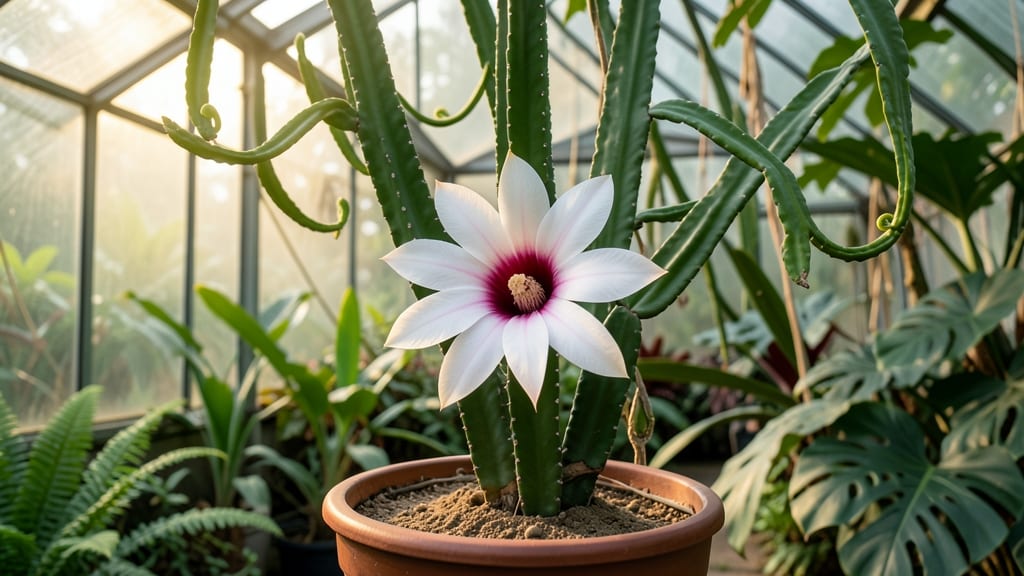
Watch your dragon fruit flower bloom like a neon moonlit jungle in just 30 days. 🌺 I’ve grown dragon fruit for years, and the key to those stunning white flowers with magenta throats isn’t luck—it’s light, patience, and a few simple tricks most gardeners miss.
The magic starts with 14+ hours of bright light daily (grow lights work indoors) and temperatures between 65-85°F. Humidity matters too—dry air makes flowers drop before they open. My plants now bloom reliably every 6-8 weeks once they’re established, and the flowers last 24-48 hours if pollinated correctly.
You’ll recognize healthy blooms by their sweet, tropical scent and the way they open fully by midday. Hand-pollination with a soft brush ensures fruit sets, but even if you skip it, the flowers are a showstopper. The real reward? Pink or yellow fruit forming within 30-45 days—worth every wait.
Works for both indoor growers and outdoor climates with mild winters. Let’s get those vines flowering!
📚 In This Guide
- What you need
- Instructions
- Tips and common mistakes
- Wrapping up and next steps
What you need
- ● Dragon fruit plant (Hylocereus spp.) – Choose a healthy, mature plant (1-3 years old) with at least 3-5 strong stems. Pro tip: Look for plants with visible buds or signs of growth! 💡
- ● Well-draining potting mix – A blend of cactus/succulent soil (60%), perlite or pumice (20%), and compost (20%). Avoid heavy garden soil!
- ● 10-15 inch diameter pot – Ensure it has drainage holes (terracotta or fabric pots work best).
- ● Slow-release fertilizer (10-10-10 or 5-10-10 NPK) – 1-2 tbsp per planting mixed into the soil.
- ● Pruning shears or sharp scissors – For trimming dead stems or encouraging new growth.
- ○ Support stake or trellis (optional but helpful) – A 3-4 ft tall bamboo stake or wire trellis to guide climbing stems.
- ● Bright, indirect sunlight – 6+ hours of light daily (south or west-facing window, or a grow light for indoor setups).
- ● Warmth (70-90°F / 21-32°C) – Dragon fruit thrives in cozy, tropical conditions. Avoid drafts or cold windows!
- ● Humidity (40-70%) – Mist leaves occasionally or use a pebble tray to maintain moisture.
- ● Watering can with a narrow spout – Water only when the top 2 inches of soil are dry (overwatering = root rot!).
- ● Grow lights (LED full-spectrum) – For 12-14 hours/day if natural light is limited.
- ● Floral wire or twist ties – To gently secure stems to the trellis.
- ● Liquid fertilizer (balanced or bloom booster) – Diluted to ½ strength every 4-6 weeks during growing season.
- ● Calcium supplement (e.g., crushed eggshells or lime) – Helps prevent blossom-end rot in flowers.
- ● Journal or plant tracker – To log watering, sunlight, and bloom progress!
How to trigger dragon fruit flowers indoors in 30 days
Here's the precise method I've used to coax vibrant blooms from dragon fruit plants—no mystery, just science and patience.
🌱 Step 1: Verify Your Plant's Maturity and Health
Dragon fruit flowers only appear on mature plants with 3-4 sturdy canes at least 2-3 feet tall. Check for deep green, leathery leaves—yellowing or curling means your plant needs more light or nutrients. I always inspect the base of the plant for aerial roots (a good sign of readiness).
If your plant is still young, focus on 6-8 hours of bright light daily and monthly balanced fertilizer (10-10-10) before attempting to trigger blooms. Weak stems won't support flowers, and the energy will go into growth instead of flowering.
☀️ Step 2: Simulate Seasonal Temperature Drops
Dragon fruit plants need a 10-15°F temperature drop for 2-3 weeks to trigger flowering. If you live in a mild climate, move your plant outdoors to a shaded patio during cooler evenings. For indoor growers, place the plant near an open window at night or use a small fan to circulate cooler air.
Daytime temperatures should stay between 75-85°F, but nights must dip to 60-65°F. Use a thermometer to monitor—too cold, and the plant may go dormant; too warm, and it won't flower. This is the most critical step—skipping it means no blooms.
💧 Step 3: Adjust Watering and Fertilizer for Flowering
Reduce watering by 30% during the 2-3 week cooling period—let the top 1-2 inches of soil dry out between waterings. Overwatering stresses the plant and prevents blooming. I water only when the soil feels dry to touch, and I avoid wetting the leaves to prevent fungal issues.
Switch to a low-nitrogen, high-phosphorus fertilizer (like 5-10-10) to encourage flowering. Apply every 4-6 weeks during the cooling phase. Too much nitrogen = leafy growth, no flowers. Watch for tiny white buds forming at the base of the canes—this is your first sign of success.
⏰ Step 4: Maintain Consistent Light and Humidity
Once buds form, increase light to 10-12 hours daily—supplement with a grow light if natural light is insufficient. Leggy growth or pale leaves mean more light is needed. Dragon fruit plants love 60-70% humidity, so mist the plant 2-3 times weekly or place a humidifier nearby. Dry air causes buds to drop.
Keep the plant stable—avoid moving it or rotating it frequently. Dragon fruit plants are sensitive to stress, and sudden changes can cause buds to fall off. If buds appear but don’t open, check for pests like spider mites (they suck sap and weaken flowers). Treat with neem oil if needed.
🌿 Step 5: Support and Protect Developing Flowers
Once flowers bloom, hand-pollinate them with a small paintbrush to transfer pollen between flowers. Dragon fruit flowers are self-pollinating, but gentle assistance increases fruit set. Do this early in the morning when flowers are fully open and dew is present.
Protect blooms from direct drafts or cold snaps—even a brief chill can kill them. If you’re in a hot, dry climate, shade the plant slightly during peak afternoon sun to prevent flower drop. With patience, your blooms will mature into vibrant pink or yellow dragon fruit in 3-6 months.
Tips & tricks for perfect dragon fruit flower blooms
These science-backed strategies will help you coax vibrant blooms from your dragon fruit plant—without the guesswork.
Maturity Check: The 3-4 cane requirement isn't arbitrary—these sturdy stems are what support the weight of flowers. I've seen plants with 5+ canes fail to bloom because they were over-fertilized with nitrogen. Focus on quality over quantity when it comes to cane development. Look for canes that are at least pencil-thick at the base, not just tall and thin.
Temperature Precision: That 10-15°F nighttime drop is non-negotiable, but here's the secret: use a thermometer to monitor the lowest nighttime temperature, not just the daytime highs. In my experience, plants exposed to just 50°F for multiple nights will go dormant rather than flower. For indoor growers, place a small fan near the plant to create a microclimate that drops faster than ambient room temperature.
Watering Science: The 30% reduction during the 2-3 week cooling period requires a specific technique: stick your finger 1-2 inches into the soil. If it feels damp, wait another day. I've ruined multiple blooming attempts by watering on a schedule rather than checking soil moisture. Dragon fruit plants are drought-tolerant but hate soggy roots—this is where most beginners go wrong.
Light Optimization: Once buds form, those 10-12 hours of light become critical. I recommend positioning your plant south-facing (in northern hemisphere) and supplementing with a full-spectrum LED grow light for 2-3 hours in the morning if natural light is insufficient. The key is consistent light intensity—dragon fruit plants respond poorly to fluctuating light levels which can cause buds to drop.
Pro Tips for Dragon Fruit Flower Bloom
- These science-backed strategies will help you coax vibrant blooms from your dragon fruit plant—without the guesswork.
- Maturity Check: The 3-4 cane requirement isn't arbitrary—these sturdy stems are what support the weight of flowers. I...
- Temperature Precision: That 10-15°F nighttime drop is non-negotiable, but here's the secret: use a thermometer to mon...
Frequently asked questions
Got questions about coaxing those vibrant dragon fruit flower blooms indoors? You’re not alone! Here are answers to the most common curiosities—from timing to troubleshooting—so you can grow with confidence.
How long does it take for dragon fruit flowers to bloom after planting?
A healthy dragon fruit plant (like Hylocereus undatus) typically takes 12–18 months to flower indoors, assuming it’s mature (5+ years old) and gets proper care. Seedlings? Patience—it can take 3–5 years! Focus on bright light (10+ hours/day) and consistent watering to speed things up. Pro tip: Use a grow light if natural light is weak.
Why isn’t my dragon fruit plant flowering yet?
Dragon fruit plants need three key things to bloom: age (mature plants only), light (full sun or 12+ hours of bright light), and temperature (60–85°F). Check for these red flags:
Too cold? Move it away from drafts or AC vents.
Overwatering? Let soil dry completely between waterings.
Not enough light? Supplement with a full-spectrum LED grow light.
If it’s still young (<3 years), give it time—flowering is a marathon, not a sprint!Can I force a dragon fruit plant to bloom faster?
While you can’t trick a young plant into blooming, you can optimize conditions to encourage flowers sooner:
- Maximize light: Place near a south-facing window or use a 12-hour light cycle.
- Simulate seasons: Reduce water slightly in winter to mimic dormancy.
- Fertilize smartly: Use a low-nitrogen bloom booster (like 5-10-10) in spring/summer.
What do dragon fruit flower buds look like, and how do I protect them?
Dragon fruit buds start as small, fuzzy, white or pink tubes (like tiny artichokes) that grow into trumpet-shaped blooms. To protect them:
- Shield from pests: Inspect leaves for mealybugs/spider mites (spray with neem oil if needed).
- Avoid overwatering: Wet buds = rot. Water at the base, not the plant.
- Keep temps stable: Sudden drops below 50°F can shock buds. Use a heat mat if indoors gets chilly.
What if my dragon fruit flowers don’t turn into fruit?
Even if flowers bloom, fruit may not develop due to:
- Lack of pollination: Dragon fruit needs night pollinators (like moths). Hand-pollinate with a small brush at night.
- Immature plant: Young plants may produce flowers but no fruit—wait until it’s 5+ years old.
- Temperature stress: Flowers drop if temps fall below 55°F or rise above 95°F.
Wrapping up and next steps
Watching your dragon fruit flower bloom into vibrant, edible fruit is a rewarding journey that brings a touch of tropical magic to your home! 🌺 With the right care—like bright indirect light, proper humidity, and patience—you’ll soon enjoy the stunning pink or yellow blooms (and later, the delicious fruit).
Celebrate your green thumb and share your progress with fellow plant lovers!
Ready to take the next step? Experiment with pollination by gently transferring pollen with a small brush, or explore growing more dragon fruit varieties to expand your indoor jungle. Happy gardening! 🌱