
Pruning
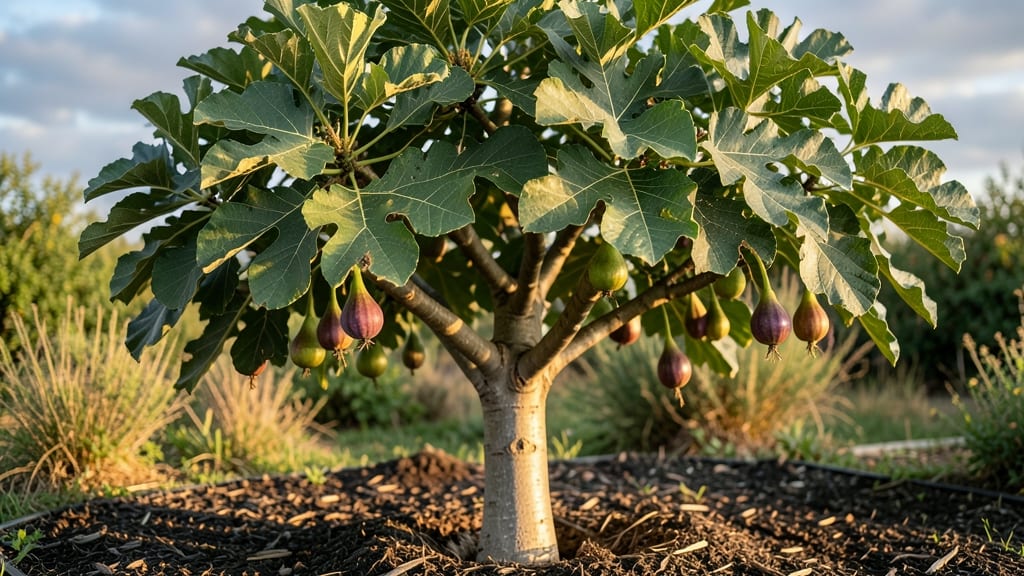
The fig fruit wiki reveals that your fig tree could produce 30% more fruit this year with just a few strategic cuts. ✂️ I’ve pruned figs for years, and the difference between a tree laden with figs and one struggling to fruit comes down to timing, technique, and knowing which branches to keep—and which to remove.
The secret isn’t complicated: figs fruit on last year’s growth, so you’re not just shaping the tree—you’re directing its energy. Start by removing dead, crossing, or weak branches in late winter or early spring, then thin out crowded areas to let sunlight reach the center.
It takes about 20 minutes for a mature tree, and the payoff is worth it. By summer, you’ll see plump, sun-ripened figs where there were once sparse clusters. The tree stays healthier, produces more consistently, and even resists pests better when given proper airflow.
And yes, you can prune container-grown figs the same way—just use smaller shears. Whether you’re growing in pots or in the ground, this method works for both cold-hardy and tender varieties. Let’s get those branches trimmed for next season’s harvest!
📚 In This Guide
- What you need
- Instructions
- Tips and common mistakes
- Wrapping up and next steps
What you need
- ● Gearing up for fig pruning? Here’s everything you’ll need to tackle the job like a pro—whether you’re trimming a small backyard tree or managing a sprawling orchard! 🌿✂️
- ● Pro tip: 💡 Safety first! Wear long sleeves, closed-toe shoes, and eye protection—fig thorns are no joke. And always prune on a dry, sunny day to reduce sap splatter!
Instructions: pruning figs for maximum fruit production
Here's the method I've used for years to turn scraggly fig trees into fruit-loaded powerhouses.
✂️ Step 1: Prune in Late Winter Before New Growth Begins
Wait until late February or early March when the tree is still dormant but just before buds begin to swell. This timing ensures you remove dead wood while preserving next season's fruit buds. I always prune on a dry, sunny day when the tree is fully hydrated—water it well the day before.
Start by removing any branches that are dead, diseased, or crossing. Dead branches snap easily when bent, while healthy ones bend slightly. Cut these back to the main trunk or a healthy lateral branch using clean, sharp pruning shears. I disinfect my tools with rubbing alcohol between cuts to prevent spreading any potential infections.
✂️ Step 2: Shape the Tree for Airflow and Light Penetration
Figs produce best when they receive plenty of sunlight and air circulation. Aim to create an open, vase-like shape by removing branches that grow inward or downward. These branches block light and air, creating a humid environment that encourages fungal diseases. Cut these back to a healthy outward-facing branch or bud.
Leave 3-5 main scaffold branches spaced evenly around the trunk. These should be about 12-18 inches apart and angled outward at about a 45-degree angle. If a branch is too close to another, remove the weaker one. You'll know you're on the right track when you can see sunlight reaching the center of the tree.
✂️ Step 3: Thin Out Overcrowded Branches
Once you've established your main scaffold branches, focus on thinning out the smaller branches within each scaffold. Remove about one-third of the smaller branches to improve airflow and allow sunlight to reach the center of the tree. Look for branches that are growing too close together or rubbing against each other—these should be pruned back.
Pay special attention to branches that are growing straight up or down. These vertical branches are less productive and should be cut back to a lateral bud or branch. You'll see new growth emerging from the lateral buds, which will eventually produce fruit. Aim to leave 6-8 inches of space between branches to prevent overcrowding.
🌿 Step 4: Encourage Fruit Production with Strategic Cuts
Figs produce fruit on new wood, so you want to encourage vigorous growth. After the initial pruning, make a few light cuts to stimulate new growth. Cut back some of the longer branches by about one-third of their length to encourage bushier growth. This is where you'll see the most fruit production in the following season.
If your fig tree has any suckers (new shoots growing from the base of the tree or along the trunk), remove about half of them. Suckers compete with the main branches for nutrients and can weaken the tree. However, leave a few to replace any damaged or old branches. You'll know you're doing it right when you see new, healthy growth emerging from the pruned areas within a few weeks.
⏰ Step 5: Post-Pruning Care for a Strong Recovery
After pruning, your fig tree will need time to recover and prepare for the growing season. Water the tree deeply to help it recover from the stress of pruning. Apply a balanced, slow-release fertilizer around the base of the tree to provide essential nutrients for new growth. I like to use a fertilizer with a 10-10-10 or 20-20-20 ratio to ensure a good balance of nitrogen, phosphorus, and potassium.
Monitor the tree closely for the first few weeks after pruning. You'll see new growth emerging from the pruned areas, which is a good sign that the tree is recovering. Keep the area around the tree free of weeds and debris to prevent pests and diseases. Once new growth appears, you can gradually reduce watering, allowing the soil to dry out slightly between waterings to encourage stronger root development.
Tips & tricks for pruning figs like a pro
These simple tricks will help you avoid common mistakes and get the most fruit from your fig tree.
Timing is Everything: The late February to early March window is critical because it's when fig trees are still dormant but just before buds begin to swell. I've seen people prune too early and accidentally remove next year's fruit buds. If you're unsure about the exact timing, look for the first signs of bud swelling—prune just before you see them. This timing ensures you remove dead wood while preserving the fruit buds that will produce next season's harvest.
Tool Prep Matters: Always disinfect your pruning shears with rubbing alcohol between cuts to prevent spreading any potential infections. I learned this the hard way after seeing a fig tree develop fungal spots from contaminated tools. Sharp tools are also essential—dull blades can crush branches, causing more damage than the cut itself. A good pair of bypass pruners will make the job easier and cleaner. For larger branches, use a pruning saw with a fine-toothed blade to avoid tearing the bark.
Visual Cues for Healthy Cuts: When removing branches, look for these signs: healthy branches bend slightly when you try to break them, while dead branches snap easily. Cut back to a healthy lateral branch or bud that's growing outward at about a 45-degree angle. This creates an open vase shape that allows sunlight to reach all parts of the tree. I always make my cuts just outside the branch collar—the swollen area where the branch meets the trunk—to promote faster healing and prevent disease entry points.
Post-Pruning Recovery: After pruning, water the tree deeply to help it recover from the stress. I've found that applying a balanced fertilizer with a 10-10-10 or 20-20-20 ratio right after pruning gives the tree the nutrients it needs for new growth. Monitor the tree closely for the first few weeks—you should see new growth emerging from the pruned areas within 2-3 weeks. This is your sign that the tree is recovering well and preparing for the growing season.
Pro Tips for Fig Fruit Wiki
- These simple tricks will help you avoid common mistakes and get the most fruit from your fig tree.
- Timing is Everything: The late February to early March window is critical because it's when fig trees are still dormant but just before buds begin to swell.
- Tool Prep Matters: Always disinfect your pruning shears with rubbing alcohol between cuts to prevent spreading any potential infections.
Frequently asked questions
Got questions about pruning fig trees for the best harvest? You’re not alone!
Here are answers to the most common queries—from timing tricks to troubleshooting tips—so you can grow like a pro.
When is the best time to prune a fig tree?
Prune your fig tree after harvest (late fall or winter) when the tree is dormant. This prevents stress and disease. For warm climates, light pruning can happen in early spring before new growth starts. Avoid pruning during frost or extreme heat!
How much can I prune a fig tree without harming it?
You can safely remove up to 30-50% of the tree’s canopy in one session, but avoid over-pruning. Focus on dead, diseased, or crossing branches first. Young trees need minimal pruning—just shape them lightly to encourage strong growth.
Why aren’t my figs growing after pruning?
Fig trees need time to recover! If no new growth appears within 4-6 weeks of pruning, check for:
- Cold damage (prune too late in winter?)
- Underwatering (figs need consistent moisture)
- Poor soil (amend with compost for nutrients)
Can I prune fig trees in containers?
Container-grown figs need more frequent pruning (every 1-2 years) to control size and encourage fruit production. Use sterilized shears and repot every 2-3 years for root health. Dwarf varieties are ideal for pots!
What if my fig tree keeps growing wild branches?
Wild, unruly growth? It’s likely due to over-fertilizing or poor pruning habits. Trim back aggressive shoots to 3-5 buds per branch and focus on:
- Open the canopy for sunlight (figs love light!)
- Prune annually to maintain shape and airflow
- Avoid heavy pruning—gradual shaping works best.
Wrapping up and next steps
From understanding the best time to prune to mastering techniques like open-center shaping or espalier training, you now hold the keys to a thriving fig tree! 🌿 Pruning isn’t just about cutting—it’s about nurturing growth, boosting yields, and keeping your tree healthy for years to come.
Whether you’re a beginner or a seasoned gardener, every snip brings you closer to that sweet, sun-ripened harvest.
Ready to put your newfound knowledge into action? Grab those shears, pick a sunny day, and give your fig tree the care it deserves! 🌞 Start small, observe your tree’s response, and watch as it rewards you with abundance.