
Container Gardens
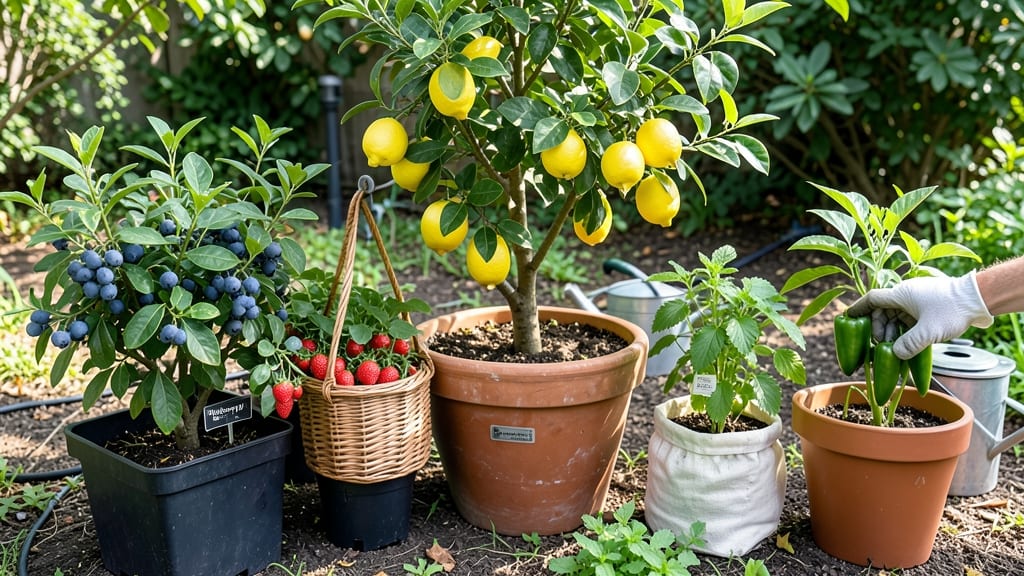
Growing fruit in containers lets you turn even a tiny balcony into a harvest station. 🌱 I've packed dwarf citrus, strawberries, and peppers into pots on my fire escape, and the sweet, sun-ripened flavors make it worth every square inch of space.
The secret isn't fancy equipment—it's matching the right fruit to the right pot size. A single strawberry plant thrives in a 6-inch container, while a Meyer lemon needs at least a 15-gallon pot to produce fruit.
Most people underestimate how much room roots need, and that's what leads to stunted growth. By summer's end, you'll be picking sun-warmed fruit that tastes better than anything from the grocery store. The containers stay neat, the weeds disappear, and you avoid soil-borne diseases that plague in-ground plants.
Even my neighbor's skeptical face changed when she tasted my homegrown blackberries. Works for any climate zone—just adjust varieties for your hardiness. Here's how to get started without the guesswork!
📚 In This Guide
- What you need
- Instructions
- Tips and common mistakes
- Wrapping up and next steps
What you need
- ● Containers: Minimum 5-gallon pots (for berries like strawberries or blueberries) or 15-20 gallon containers (for dwarf fruit trees like citrus, figs, or apples).
- ○ Self-watering pots (optional but ideal for consistency).
- ● Fabric grow bags (for better drainage and root aeration).
- ● Growing Medium: High-quality potting mix (avoid garden soil—it compacts and drains poorly).
- ● Perlite or vermiculite (10-20% by volume for aeration).
- ● Compost or worm castings (10-15% for nutrients).
- ● Slow-release fertilizer (balanced 10-10-10 or organic options like fish emulsion).
- ● Drainage: Drill holes in the bottom of containers (if not pre-drilled).
- ● Potting saucers or trays (to catch runoff).
- ● Tools: Trowel or small shovel (for planting and mixing soil).
- ● Watering can with a rose attachment (for gentle watering).
- ● pH test kit (critical for acid-loving plants like blueberries or citrus).
- ● Pruning shears (for shaping and maintaining plants).
- ● Container stands or casters (for mobility or elevation).
- ● Mulch (straw or bark chips) (to retain moisture and regulate temperature).
- ● Drip irrigation system (for automated watering).
- ● Support structures (like cages for tomatoes or trellises for vining fruits).
- ● Reflective mulch or light-colored containers (to protect roots from heat).
Step-by-step guide to growing fruit in containers
Here's how to turn small spaces into bountiful harvests with the right container setup.
🪴 Step 1: Choose the Right Containers and Drainage
Start with containers at least 18 inches deep—shallower pots stunt root growth, and fruit trees need room to establish. I use a mix of 5-gallon buckets for dwarf varieties and 12-inch-wide pots for bush fruits like strawberries. Drill drainage holes if your containers don't have them, and place a layer of gravel or broken pottery at the bottom to prevent clogging.
For fruit trees, select containers with a diameter at least 12 inches wider than the root ball. Larger pots stabilize moisture levels, which is critical for young trees. I always add a saucer underneath to catch runoff—this keeps your patio from turning into a swamp.
🌱 Step 2: Prepare the Soil Mix for Nutrient-Dense Growth
Fruit plants demand rich, well-draining soil. Mix equal parts potting soil and compost, then stir in 1 part perlite or vermiculite to improve aeration. I avoid garden soil—it compacts in containers and suffocates roots. For acid-loving plants like blueberries, blend in peat moss to lower the pH naturally.
Fill the container to 2 inches below the rim, leaving space for watering. Tap the pot gently to settle the mix, then water thoroughly until moisture runs freely from the drainage holes. This pre-watering ensures the soil stays evenly moist during the critical root establishment phase.
☀️ Step 3: Plant and Position for Maximum Sunlight
Dig a hole twice as wide as the root ball but no deeper. Gently remove the plant from its nursery pot and loosen the roots if they're circling. Place it in the center of the container, then backfill with soil, pressing lightly to eliminate air pockets. For dwarf fruit trees, I stake them immediately to prevent toppling in windy conditions.
Position containers where they'll receive 6-8 hours of direct sunlight daily. South-facing spots are ideal, but east or west exposures work too. If your space lacks sunlight, supplement with a grow light—fruit plants need consistent light to set fruit. Watch for leaves turning pale or stretching toward the light; that's your signal to adjust.
💧 Step 4: Water Deeply and Establish a Consistent Routine
Water newly planted fruit containers until water drains freely from the bottom. After that, let the top 1-2 inches of soil dry out between waterings. Overwatering is the fastest way to kill container-grown fruit—roots rot in soggy soil. I use a moisture meter to track levels, but sticking your finger in the soil works just as well.
Mulch the surface with 1-2 inches of straw or wood chips to retain moisture and regulate temperature. This step is non-negotiable in containers, where soil dries out faster than in-ground beds. Avoid mulching right up against the trunk or stems to prevent rot.
✂️ Step 5: Prune and Fertilize for Year-Round Productivity
Prune in early spring to remove dead or crossing branches, opening the center of the plant to sunlight and air. For bush fruits like strawberries, pinch off the first few flowers to encourage stronger root growth. I use clean, sharp pruners and sterilize them with rubbing alcohol between cuts to prevent disease spread.
Fertilize every 4-6 weeks during the growing season with a balanced, 10-10-10 formula. Fruit plants are heavy feeders, but too much fertilizer leads to leafy growth at the expense of fruit. I always follow the package instructions—overdoing it burns roots and stunts production.
Tips & tricks for perfect container-grown fruit
Small spaces don't mean small harvests—here's how to maximize your container garden's potential.
Container Size Matters: That 18-inch depth isn't arbitrary—it gives roots room to establish before they hit the bottom. For dwarf fruit trees, I've found 5-gallon buckets work perfectly, but if you're growing larger varieties, go for containers that are at least 12 inches wider than the root ball. The extra space prevents roots from becoming root-bound, which directly impacts fruit production. Think of it like giving your plant room to grow its legs before it has to stand.
Drainage is Non-Negotiable: I've ruined more container plants from poor drainage than from any other mistake. Always drill drainage holes if your container doesn't have them, and never skip the gravel or broken pottery layer at the bottom. This prevents waterlogging, which causes root rot—the silent killer of container plants. Pro tip: Test your drainage by filling the container with water and timing how long it takes to empty completely. It should drain within 10-15 minutes.
Soil Mix Secrets: The equal parts potting soil and compost isn't just a suggestion—it's the perfect balance for nutrient delivery and aeration. For acid-loving plants like blueberries, that peat moss is crucial for maintaining the right pH. I've seen plants thrive in this mix for years without needing replanting. When you're filling your container to 2 inches below the rim, make sure to tap it gently to settle the soil—this prevents air pockets that can suffocate young roots.
Light Requirements: Those 6-8 hours of direct sunlight are non-negotiable for fruit production. If your space gets less, supplement with a grow light for at least 4 hours daily. I've noticed that plants in east-facing containers often need extra light in the morning to compensate for afternoon shade. Watch for leaves stretching toward the light—that's your plant begging for more photons to fuel fruit development.
Pro Tips for Fruit In Containers
- Small spaces don't mean small harvests—here's how to maximize your container garden's potential.
- Container Size Matters: That 18-inch depth isn't arbitrary—it gives roots room to establish before they hit the botto...
- Drainage is Non-Negotiable: I've ruined more container plants from poor drainage than from any other mistake. Always ...
Frequently asked questions
Got questions about growing fruit in containers?
You’re not alone! Here are answers to the most common queries to help you get started with confidence.
What are the easiest fruits to grow in containers?
Strawberries, blueberries, dwarf citrus trees (like Meyer lemons), and compact varieties of apples or peaches are perfect for beginners. These fruits thrive in limited space and require minimal care. Pro tip: Choose dwarf or patio-specific varieties labeled for containers!
How often should I water fruit in containers?
Container-grown fruit needs more frequent watering than in-ground plants—typically every 1-2 days in hot weather, depending on the size of the pot. Check soil moisture by sticking your finger 1-2 inches deep; if it’s dry, water thoroughly. Pro tip: Use a moisture meter or self-watering pots to avoid over- or under-watering!
Can I grow fruit in containers indoors?
Most fruit plants need 6+ hours of sunlight daily, so indoor growth is tricky unless you have a sunroom or grow lights. Herbs like mint or dwarf citrus (with supplemental lighting) can work, but traditional fruiting plants like tomatoes or berries will struggle without natural light. Pro tip: Place containers near south-facing windows or invest in LED grow lights for best results!
What do I do if my container fruit isn’t producing?
Lack of fruit could stem from poor pollination, insufficient sunlight, or nutrient deficiencies. Hand-pollinate with a small brush, ensure 6+ hours of sun, and fertilize with a balanced, organic formula (like 10-10-10) every 4-6 weeks. Pro tip: Prune dead or overcrowded branches to redirect energy toward fruiting!
How big should my containers be for fruit trees?
Size matters! Dwarf fruit trees need at least 15-20 gallons of soil (a 20-inch pot works well), while larger varieties (like figs) may require 30+ gallons. Always include drainage holes and use lightweight, well-draining soil. Pro tip: Larger pots = more stability and root growth, but they also dry out faster—adjust watering accordingly!
Wrapping up and next steps
Growing fruit in containers is a game-changer for small spaces, urban dwellers, and anyone craving fresh, homegrown harvests without the commitment of a full garden. 🌱 Whether you’re nurturing strawberries in hanging baskets, citrus trees in pots, or berries in raised beds, the key is starting small, staying consistent, and celebrating every bite—literally!
With the right setup and a little patience, you’ll enjoy year-round abundance, from zesty lemons to sweet cherry tomatoes, all while boosting your space with beauty and productivity.
Ready to dive in? Pick your favorite fruit, grab a container, and get planting! 🌟 Your future self—and your taste buds—will thank you.