
Pruning
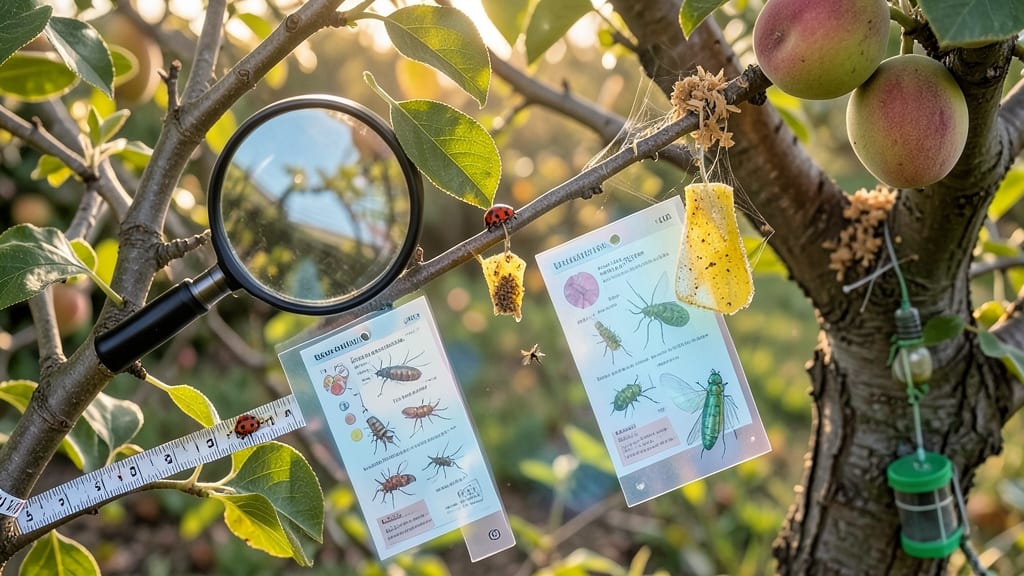
Finding tiny holes in your peaches or sticky residue on apple leaves? 🌿 Fruit tree pests identification starts with knowing what you're actually looking at—and what's normal versus a full-blown infestation.
I've spent years watching my orchard go from thriving to devastated (and back again) by learning these visual clues, and I'm sharing the exact symptoms that scream "problem" versus harmless visitors.
The real game-changer is understanding the difference between aphids—those tiny green clusters that curl leaves—and spider mites, which leave behind fine webbing like a ghostly net. Codling moths? They carve tunnels inside fruit, while sawfly larvae chew leaves into skeleton shapes.
Once you spot these patterns, you can act before pests take over—no more guessing games or wasted treatments.
You'll learn to spot each pest's unique calling cards: aphid trails, borer frass, or the telltale "shot holes" from leaf miners. The key is acting fast—some pests like Japanese beetles move in swarms, while others like scale insects hide under bark.
With these visual cues, you'll catch problems before they become costly headaches.
This isn't just about spotting pests—it's about knowing when to intervene. Some insects are beneficial, while others are silent destroyers. I'll show you how to tell them apart so you can protect your harvest without overreacting. Let's get those trees healthy again!
📚 In This Guide
- What you need
- Instructions
- Tips and common mistakes
- Wrapping up and next steps
What you need
- ○ Hand Lens or Magnifying Glass – A 10x magnification lens helps inspect tiny details on leaves, stems, and fruit. (Optional: A USB microscope for digital documentation.)
- ● Pruning Shears – Sharp, bypass-style shears (5-7 inch blades) for safely removing infested branches.
- ● Gloves – Nitrile or latex gloves (thin for dexterity) to protect your hands from sap, pests, or irritants.
- ● Notebook & Pen – For recording pest types, locations, and dates of sightings.
- ● Spray Bottle (8-16 oz) – Fill with soapy water (1 tsp mild dish soap per quart) for quick pest removal tests.
- ● Ruler or Measuring Tape – To track pest spread or damage size (e.g., 1-inch grid for consistency).
- ● Digital Camera or Smartphone – Capture close-ups of pests, damage, and tree conditions for reference or expert consultation.
- ● Pest Identification Guidebook or App – A printed guide (e.g., University of California’s "Pest Notes") or apps like iNaturalist or PictureThis.
- ● Disposable Containers – Small plastic bags or vials (with lids) to safely collect and transport pests for ID.
- ● Ladder or Step Stool – A stable, extendable ladder (if trees exceed 6 feet) or a foldable stool for dwarf varieties.
- ● UV Flashlight – Reveals invisible pest trails (e.g., aphid honeydew or spider mite webbing).
- ● Pest Traps – Yellow sticky traps (for flies) or pheromone traps (species-specific).
- ● Soil Probe – A 6-inch metal probe to check for root pests or grubs.
- ● Citrus Oil or Neem Oil Spray Bottle – Natural repellents for early treatment (mix 1 tsp oil + 1 tsp soap per quart of water).
- ● Field Guide to Common Fruit Tree Diseases – Differentiates pests vs. fungal/bacterial issues.
How to identify and address common fruit tree pests early
Here’s how I spot trouble before it spreads—using simple visual cues and quick fixes.
🐛 Step 1: Inspect Leaves for Early Signs of Damage
Start by examining the top and bottom of leaves—this is where pests hide first. Look for tiny holes, chewed edges, or sticky residue (aphid honeydew). I always check the youngest leaves first since pests target tender new growth. Use a 10x magnifying glass (if you have one) to spot mites or scale insects clinging to leaf undersides.
If you see yellowing leaves with black sooty mold, that’s a sign of sap-sucking pests like aphids or mealybugs. Don’t wait for widespread damage—act within 24 hours of spotting these clues. Early intervention keeps trees healthy and prevents fruit loss.
🍎 Step 2: Check Fruit and Branches for Visible Infestations
Gently shake branches over a white sheet or tray—falling pests like fruit flies, codling moth larvae, or leafrollers will reveal themselves. Look for small tunnels in fruit (codling moths) or rolled leaves (tent caterpillars). I tap branches with a stick to dislodge hidden pests, then inspect the fruit closely for surface damage or webbing.
If you find worms in fruit, remove and destroy them immediately (don’t compost). For sawfly larvae, they’ll look like fuzzy caterpillars—pick them off by hand if the infestation is small. This step is critical because fruit damage often goes unnoticed until it’s too late—check every 3-5 days during peak pest seasons (spring and summer).
🌿 Step 3: Examine Bark and Buds for Overwintering Pests
In late winter or early spring, scrape bark gently with a knife or your fingernail to check for egg masses, larvae, or adult overwintering pests. Look for small holes, sawdust-like frass (from borers), or webbing in bark crevices. I focus on sun-exposed branches first since pests prefer warmer spots.
If you find borer holes, fill them with undiluted horticultural oil (use a small brush) to suffocate larvae. For scale insects, they’ll appear as brown bumps on bark—scrub them off with a stiff brush and follow up with neem oil. This step prevents spring outbreaks before they become unmanageable.
💧 Step 4: Monitor for Secondary Issues (Disease or Stress)
Pests often follow stressed trees, so check for wilting, dieback, or unusual leaf drop. I look for cankers (sunken, dead patches on bark)—these can attract borers. If the tree is water-stressed, pests like spider mites will move in faster. Water deeply once a week (unless it rains) to keep trees resilient.
If you spot fungal growth (like powdery mildew) alongside pests, that’s a red flag. Prune infected branches immediately and apply copper fungicide if needed. Healthy trees repel pests naturally, so this step is about preventing the domino effect of damage.
✂️ Step 5: Take Corrective Action Based on What You Find
For soft-bodied pests (aphids, mealybugs), spray with soapy water (1 tsp mild dish soap per gallon) in the early morning. For hard-shelled pests (scale, borers), use horticultural oil in late spring/early summer. I avoid chemical sprays early in the season—they can harm pollinators and beneficial insects.
If pests persist, prune heavily infested branches (sterilize tools with rubbing alcohol between cuts). For ground-dwelling pests (like ants), create a barrier of diatomaceous earth around the trunk. Document what you find—noting pest types and locations helps track patterns over time.
Tips & tricks for early fruit tree pest detection
Spotting pests before they spread saves your harvest—and your sanity. Here’s how to turn inspection into a foolproof system.
Timing is Everything: The 24-hour window mentioned for acting on early signs is non-negotiable. I’ve seen aphid colonies explode from 50 to 500 in just 48 hours. Check trees every 3-5 days during peak seasons (spring/summer) to catch problems before they spiral. Focus on young leaves first—they’re the first to show damage, and pests target tender growth aggressively.
Lighting Makes All the Difference: Natural daylight reveals the most details, but if you’re inspecting in shade, use a small flashlight to spot hidden pests. I’ve found entire colonies of mites on leaf undersides that were invisible under normal light. For bark inspection, early morning sunlight works best—pests are sluggish then and easier to spot. A 10x magnifying glass (even a cheap one) is worth its weight in gold for identifying tiny eggs or early-stage larvae.
Seasonal Strategy: Spring is all about bark and buds—this is when overwintering pests wake up. In summer, shift focus to fruit and foliage as pests move to feed. I keep a pest calendar marking key inspection dates: late winter (borer eggs), early spring (scale insects), summer (fruit flies), and fall (overwintering prep). This prevents you from missing critical windows when pests are most vulnerable.
Documentation Pays Off: Keep a simple logbook with dates, pest types, and locations. I use a spiral notebook with tree sketches to track patterns. Last year, I noticed codling moths always appeared first on the south-facing branches—now I inspect those first. This habit helps you predict outbreaks before they happen, giving you a head start on treatments.
Pro Tips for Fruit Tree Pests Identification
- Spotting pests before they spread saves your harvest—and your sanity. Here’s how to turn inspection into a foolproof ...
- Timing is Everything: The 24-hour window mentioned for acting on early signs is non-negotiable. I’ve seen aphid colon...
- Lighting Makes All the Difference: Natural daylight reveals the most details, but if you’re inspecting in shade, use ...
Frequently asked questions
Got questions about fruit tree pests? You’re not alone! Here are answers to the most common concerns—so you can act fast and protect your trees.
How do I tell if my fruit tree has pests without seeing them?
Look for indirect signs like chewed leaves, sticky residue (aphid honeydew), or tiny holes in fruit. Inspect the bark for egg masses (e.g., codling moth) or sawdust-like frass (sawfly larvae). Shake branches over a white sheet—falling insects or webbing confirm an infestation.
When is the best time to check for pests in my fruit tree?
Start in early spring (bud break) to spot overwintering pests like scale or mites. Monitor bloom time for borers or leafrollers, and fruit set for fruit flies or curculios. Repeat checks every 2–4 weeks during growing season. Pro tip: Morning inspections catch pests when they’re most active!
Are there natural ways to prevent pests instead of chemicals?
Try neem oil or insecticidal soap for soft-bodied pests (aphids, mites). Beneficial insects like ladybugs or lacewings eat many common pests—buy or attract them! Prune to improve airflow (pests love dense foliage), and mulch with wood chips to deter borers. Copper tape on trunks deters climbing pests like tent caterpillars.
I found pests—how do I stop an infestation before it spreads?
Act immediately! Remove heavily infested leaves/fruit by hand (bag and discard). For borers, inject beneficial nematodes into holes. Spray with horticultural oil in early spring (before buds open) to smother eggs. Quarantine the tree—don’t move tools or prunings to other plants. Repeat treatments every 7–10 days for severe cases.
Can I use my phone to identify fruit tree pests?
Yes! Apps like PictureThis or PlantVillage let you upload photos for ID. For real-time help, try iNaturalist (crowdsourced by experts). Snap close-ups of damage + pests (if visible) and include tree type for accurate results. Pro tip: Take pics of undersides of leaves—many pests hide there!
Wrapping up and next steps
Identifying fruit tree pests early is the first step to keeping your orchard thriving! By recognizing common signs—like chewed leaves, sticky sap, or tiny holes—you can act fast and protect your harvest. 🌱 Remember, vigilance is your best tool!
Now that you’re armed with knowledge, take action:
- Inspect your trees regularly (especially after rain or storms).
- Use organic or chemical controls based on the pest.
- Share your success—or ask for help—with gardening communities!