
Plants
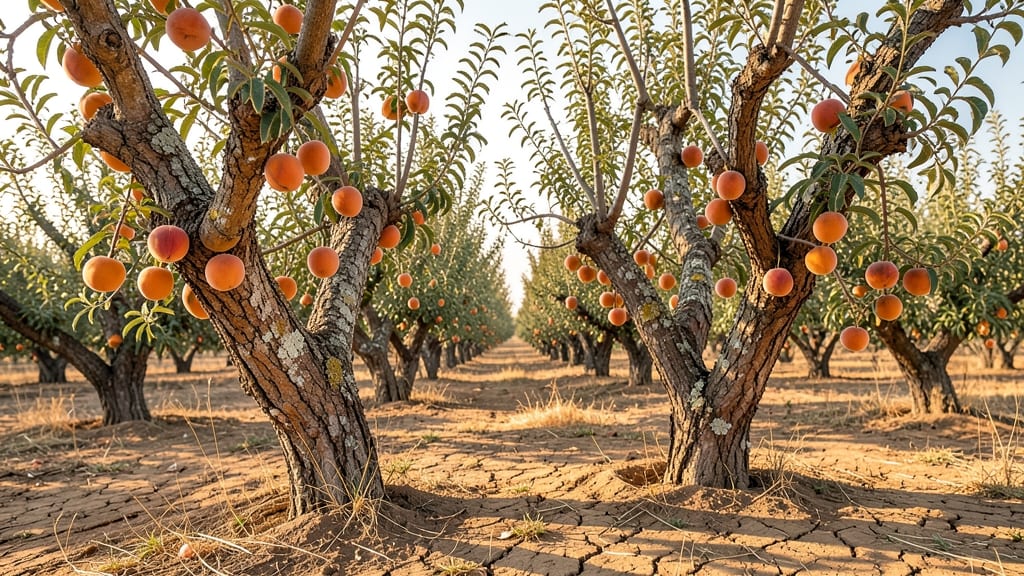
Nectarines offer sweet, juicy rewards for home gardeners—but they’re not the only stone fruit worth growing. These ten fruits share nectarine’s easy ripening traits, disease resistance, and delicious flavor profiles, making them perfect for small spaces and beginner growers alike.
Peaches with Freestone Pits
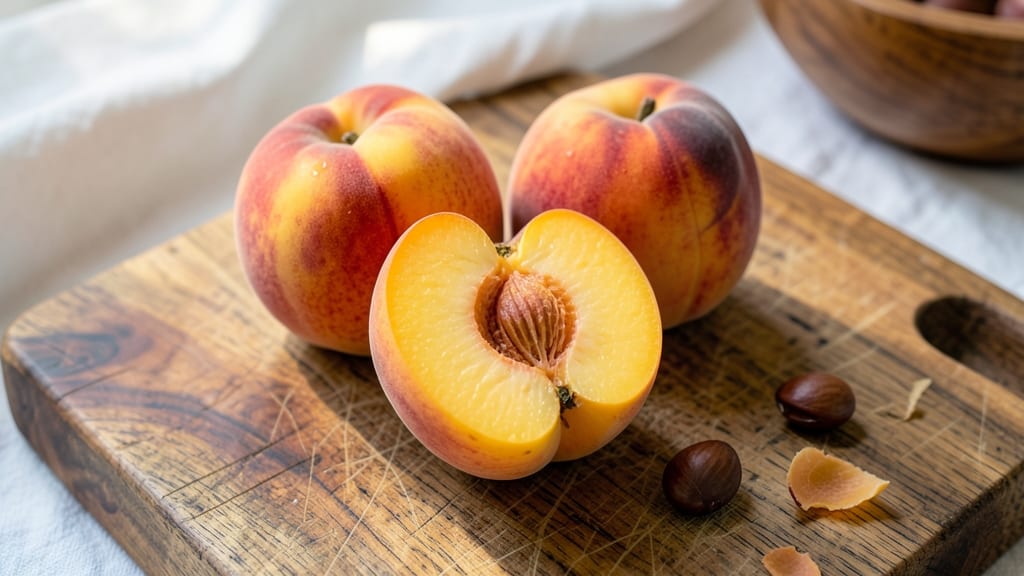
If you love the sweet-tart balance of nectarines but want a peach that’s even easier to enjoy, freestone varieties are your answer. Their pits separate cleanly from the flesh, making them perfect for fresh eating, canning, or baking—without the messy pit-sticking struggle of clingstone peaches.
Freestone peaches thrive in the same USDA Zones 5-9 as nectarines, requiring full sun and well-drained soil. Varieties like 'Elberta' or 'Redhaven' produce juicy, flavorful fruit with fewer pest issues than their fuzzier cousins. Prune in late winter to improve airflow, and thin fruits early in the season for larger, sweeter peaches.
These peaches are ideal for home orchards, especially for gardeners who want minimal maintenance and maximum reward. Their classic flavor and easy pit removal make them a must-try for any stone fruit lover. 🌱
Plums with Purple Skin
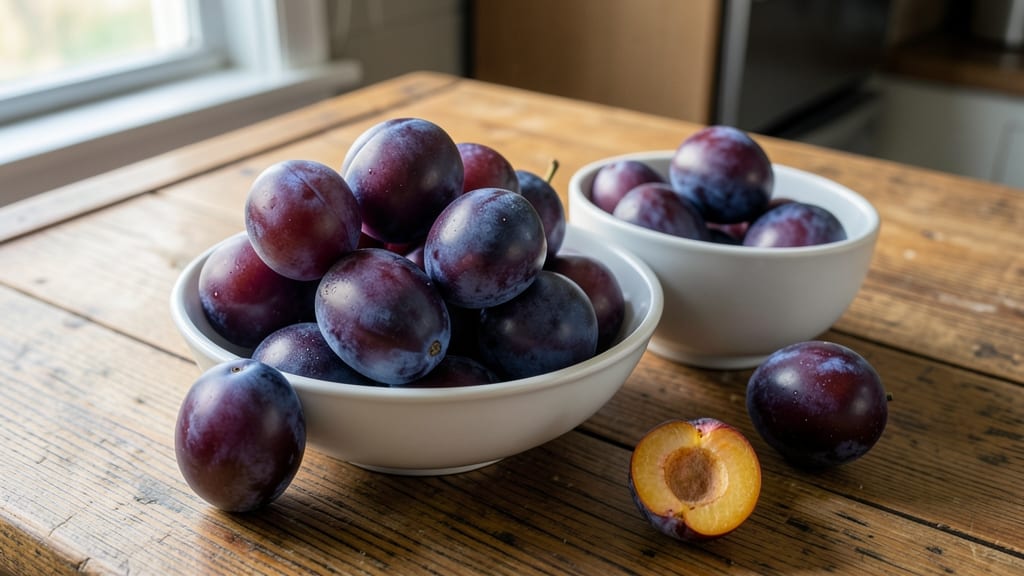
Skip the fuss of nectarines that split or rot—purple-skinned plums like 'Santa Rosa' deliver the same juicy rewards with built-in disease resistance. These varieties ripen uniformly, resist cracking, and store for weeks in your fridge, giving you a longer harvest window than many stone fruits.
Plant them in full sun with well-draining soil, and you’ll enjoy fruits with a richer, deeper flavor than nectarines—think tart-sweet with a velvety texture. Prune lightly in late winter to maintain shape and improve air circulation, which further reduces disease risk. The low-maintenance nature makes them ideal for busy gardeners or small urban yards.
Perfect for canning, jams, or fresh eating, these plums also attract pollinators while requiring fewer pesticides than traditional stone fruits. 💚
Apricots for Warm Climates
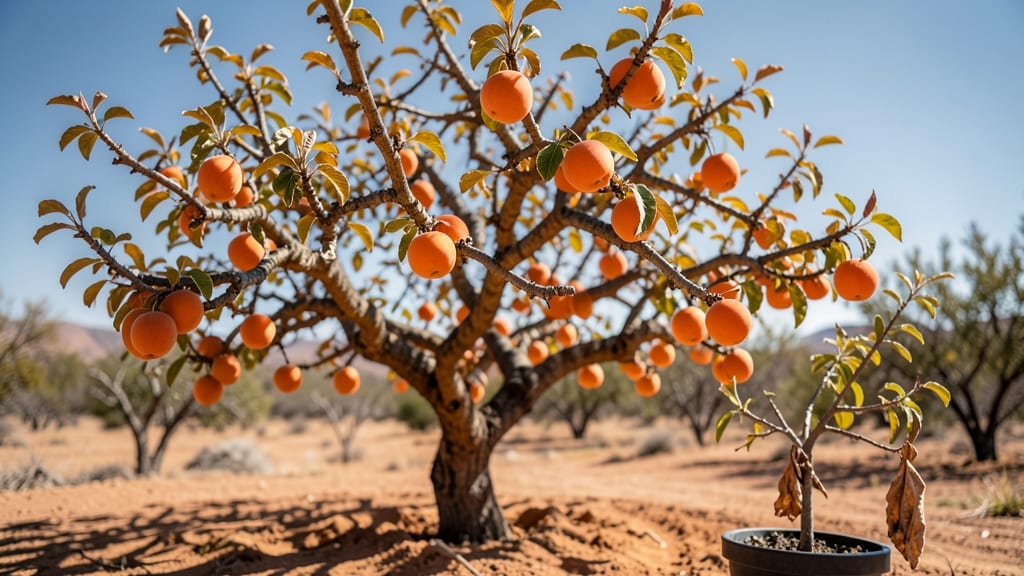
If you crave nectarine-like sweetness but live in a hot, dry climate, Blenheim apricots deliver the same velvety texture with vibrant orange hues. These sun-hungry fruits thrive where nectarines might struggle, making them ideal for desert gardens and containers.
Plant Blenheim apricots in well-draining soil with 6-8 hours of full sun daily, and they’ll reward you with juicy, fragrant fruit that ripens in late summer. Their compact size makes them perfect for patio containers—just ensure the pot has drainage holes. Unlike peaches or plums, apricots tolerate heat better, making them a low-maintenance choice for arid regions.
Urban gardeners and small-space growers will love how apricots adapt to containers while producing fruit as flavorful as their nectarine cousins. 🌻
Cherries with Self-Fertile Trees
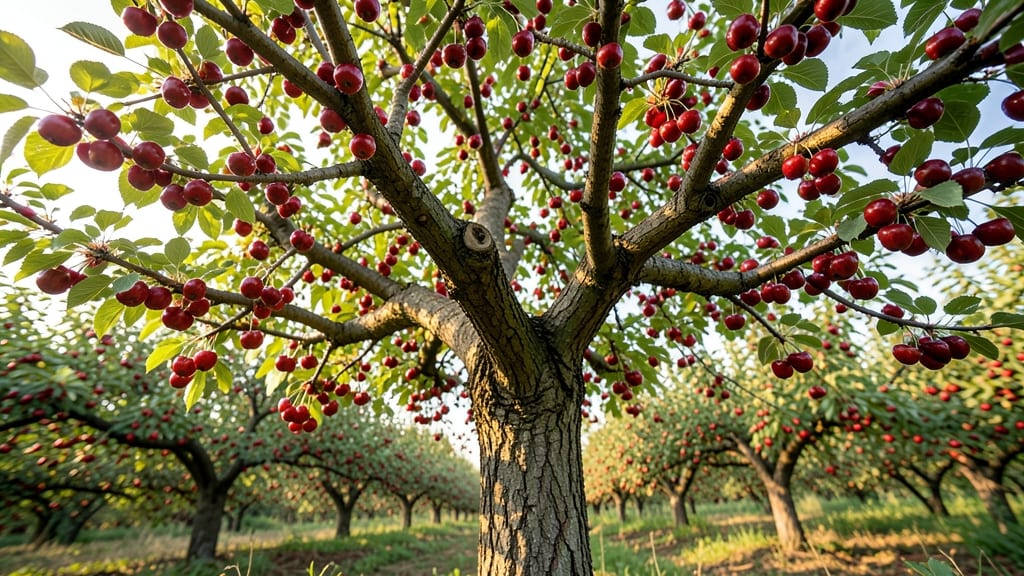
Tired of dealing with pollination issues in your fruit garden? Self-fertile cherry trees like 'Stella' solve that problem completely, producing sweet, juicy fruits without needing a second tree. These cherries ripen uniformly and deliver a nectarine-like juiciness with a rich, deep red color that stands out in any harvest basket.
Plant 'Stella' cherries in full sun with well-draining soil, and they'll reward you with consistent harvests for decades. The trees thrive in USDA zones 5-8 and handle light frost well, making them ideal for gardeners in cooler climates. Prune annually to maintain shape and improve airflow, which helps prevent common fungal issues. For best flavor, harvest when the fruit easily detaches from the stem.
This variety is perfect for small gardens or urban homesteaders who want cherries without the complexity of cross-pollination. The sweet-tart balance and vibrant color make them a showstopper at any fruit stand. 🌟
Flat Peaches Called Nectaplums
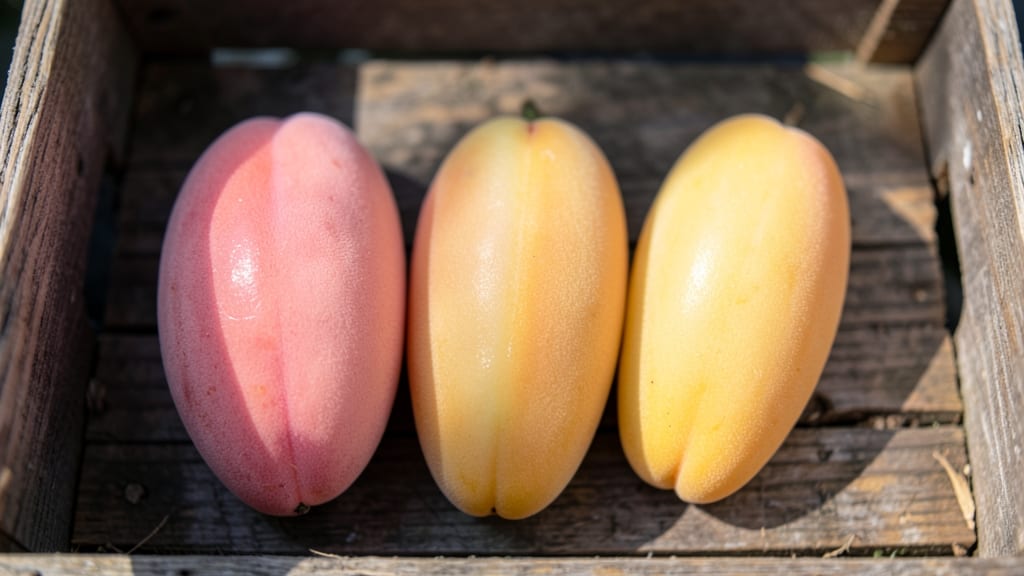
If you love the taste of nectarines but crave something visually distinct, nectaplums—a flat, hybrid fruit—might just steal the show in your garden. These unusual fruits blend the best traits of nectarines and plums, offering a smooth, crack-resistant skin and a reliable ripening schedule that’s harder to find in traditional stone fruits.
Nectaplums thrive in USDA zones 5-9, requiring full sun and well-draining soil, much like nectarines. Their unique oblate shape (flatter than a peach, rounder than a plum) makes them stand out on the branch, while their flavor balances the sweetness of nectarines with the slight tartness of plums. For gardeners who love novelty, these hybrids are a low-maintenance way to add drama to your orchard without sacrificing ease of care.
Perfect for small homesteads or urban gardens with space for a single tree, nectaplums reward you with year-round interest—from their striking blossoms in spring to their harvestable fruits in late summer. 🌟
Yellow Flesh Plums
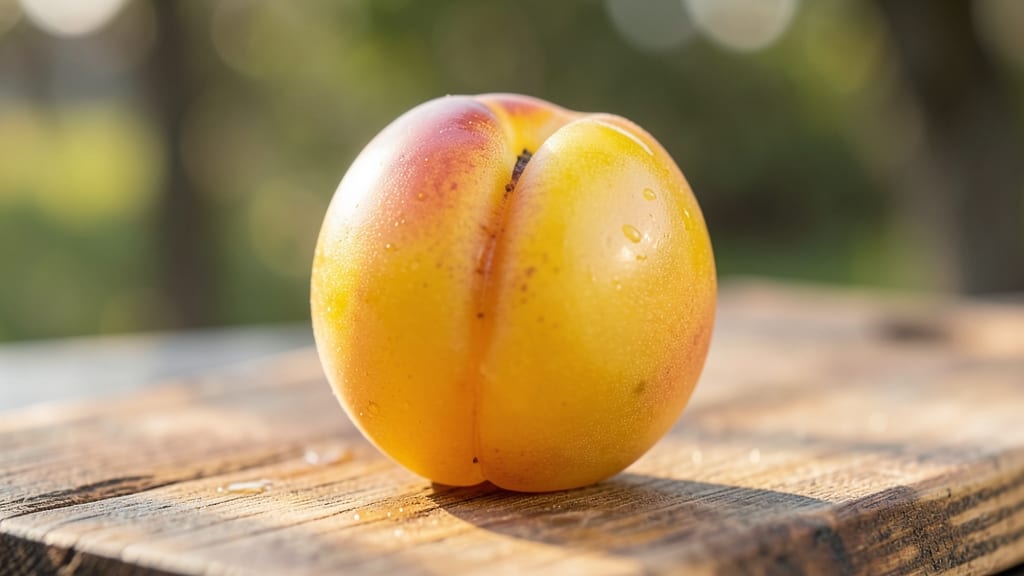
If you love nectarines but live in a cooler climate, yellow flesh plums like 'Golden Transparent' are your secret weapon. These plums deliver a nectarine-like golden interior with a honeyed sweetness that rivals their warmer-climate cousins, while thriving where traditional stone fruits struggle.
Their dark purple skin hides a juicy surprise—flesh so translucent and sweet it’s often called "golden nectarine plums." Plant them in full sun to partial shade (they tolerate cooler microclimates better than most plums) and expect fruit in 2-3 years. Prune in late winter to maintain an open canopy for airflow, reducing disease risk. 💡
Perfect for gardeners in USDA zones 5-8, these plums bring summer flavor without the fuss of heat-loving varieties. Try pairing them with blueberry bushes for a complementary pollinator-friendly border. 🌟
Dwarf Peach Trees
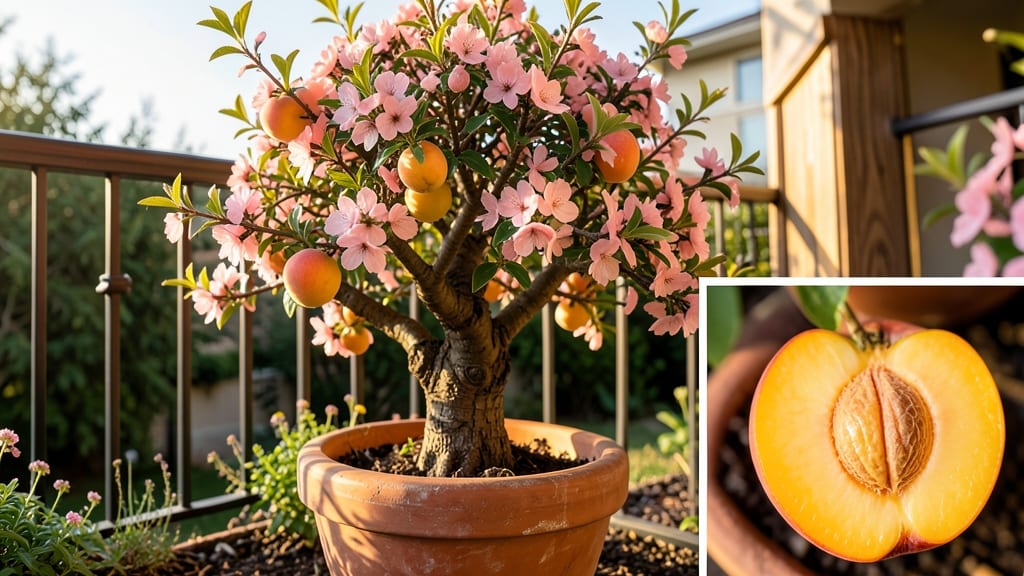
Small spaces shouldn’t mean small dreams—dwarf peach trees like the 'Bonanza' variety pack all the sweet, freestone rewards of their full-sized cousins into a compact, patio-friendly package. These trees mature at just 6-8 feet tall, making them perfect for containers, balconies, or even sunny corners of your yard where space is limited.
With nectarine-sized fruits that ripen in late summer, these trees produce smooth-skinned, juicy peaches with minimal fuss. They thrive in full sun (6+ hours daily) and well-draining soil, and their disease-resistant roots mean fewer headaches than traditional peach varieties. Prune lightly in late winter to encourage airflow and shape the tree for easy harvesting.
Urban gardeners and first-time fruit growers will love how these trees deliver year-round enjoyment—from spring blossoms to summer shade and fall harvests. Plus, their 30% smaller footprint means you can grow more without sacrificing flavor. 🌻
Late-Season Apricots
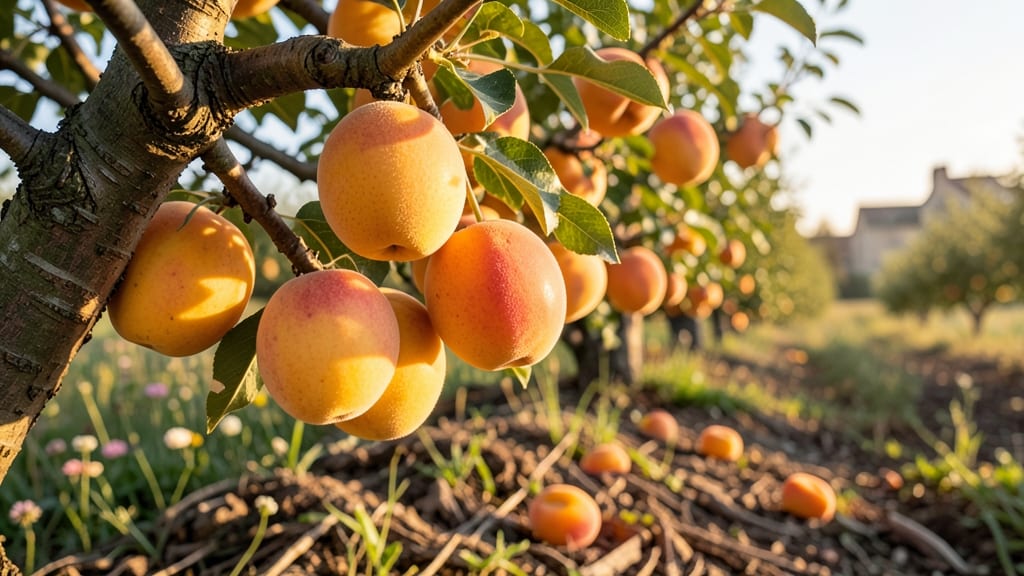
Want to extend your stone fruit harvest well into late summer? Late-season apricots like 'Tilton' bridge the gap between traditional apricots and nectarines, offering ripe fruit when most gardens are winding down.
These varieties ripen 2-3 weeks later than standard apricots, often aligning with nectarine harvest times. They thrive in USDA zones 5-9 with full sun and well-drained soil, producing fruits with a rich, honeyed flavor and firm texture perfect for fresh eating or drying. Prune in late winter to improve air circulation, and watch for aphids—a common pest during warm springs.
Perfect for gardeners who love prolonged harvests, late-season apricots give you a second chance at summer fruit when other varieties have already faded. 🌟
Heirloom Plums with Blue-Green Skin
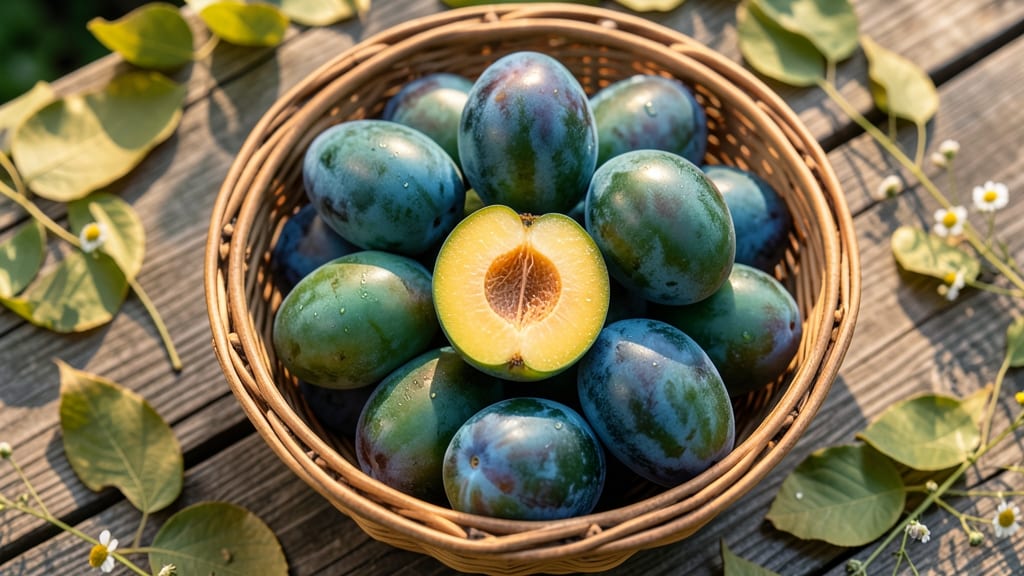
If you love the smooth, juicy texture of nectarines but crave something visually unique, heirloom plums like 'Methley' deliver a stunning twist. Their blue-green skin stands out in any harvest basket, while the flesh inside mirrors nectarine's tender, melt-in-your-mouth quality.
These antique varieties thrive in similar climates to nectarines but boast complex flavors that evolve as they ripen—think honeyed undertones with a hint of tartness. Their long storage life (up to 3 months in cool conditions) makes them preservationist favorites, while the freestone pits separate easily for canning or drying. Plant in full sun with well-draining soil for best results.
Perfect for gardeners who want both beauty and function, these plums add a vintage charm to your orchard while rewarding you with fruit that tastes like summer long after harvest. 🌟
Drought-Tolerant Peach Varieties

If water conservation is your top priority but you still crave nectarine-like sweetness, drought-tolerant peach varieties like Redhaven and Elberta deliver—using 40% less water than traditional nectarines while keeping that signature juicy flavor. These breeds are bred to thrive in arid climates, making them perfect for xeriscaping without sacrificing fruit quality.
Plant these varieties in well-draining soil with full sun exposure (6+ hours daily) and mulch heavily to retain moisture. Unlike nectarines, they develop thicker skins that reduce water loss, and their roots run deep to access groundwater. Prune in late winter to improve airflow, which also helps prevent fungal issues in dry conditions.
Ideal for urban gardeners, drought-prone regions, or eco-conscious growers, these peaches prove you don’t need lush landscapes to enjoy homegrown fruit. 🌻