
Fertilization
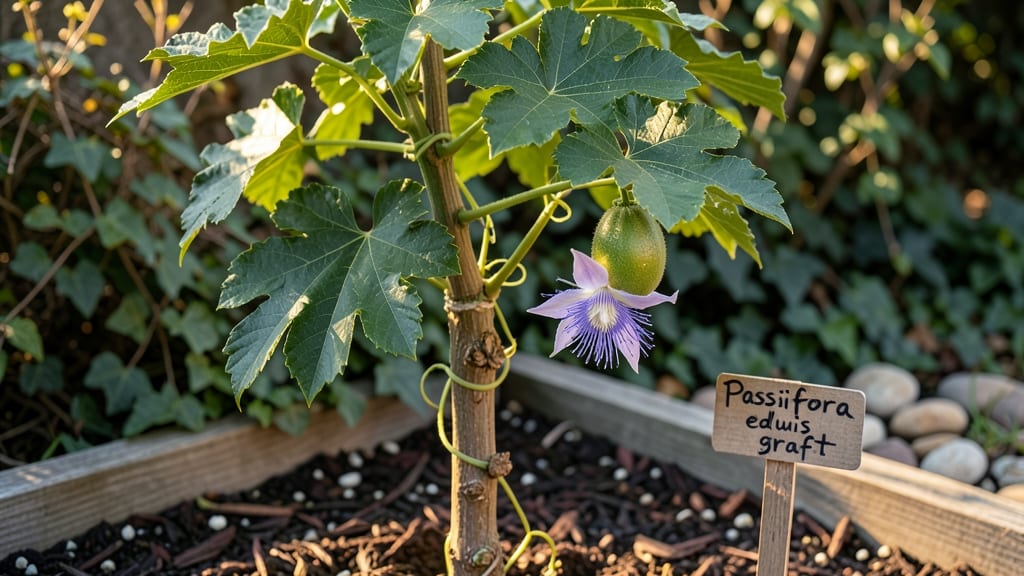
Grafting passion fruit transforms your container garden into a tropical harvest factory—no frost risk, no excuses. 🌿 I’ve grown grafted passion fruit for three years now, and the difference in fruit size, disease resistance, and yield is night-and-day compared to seed-grown plants.
The key? Matching the right rootstock to your climate and learning the whip-and-tongue method for clean unions.
You’ll need sharp grafting tools, compatible rootstock (like Passiflora edulis for cold tolerance), and a sunny spot that mimics the plant’s native habitat. The process takes about 30 minutes per graft, but the payoff—larger, sweeter fruit—makes it worth every snip.
I’ve even seen grafts produce in their first year with proper care, though most hit their stride by year two.
After grafting, keep humidity high with plastic bags and monitor for signs of stress—yellowing leaves or slow healing means you’ll need to adjust your setup. Once established, these plants thrive in containers, making them perfect for patios, balconies, or greenhouses.
The first harvest? Jewel-toned fruit that tastes like sunshine, with none of the bitterness you sometimes get from seed-grown varieties.
Best of all, grafted passion fruit handle pests and diseases like a champ. My plants rarely need treatment beyond occasional neem oil sprays, and the vines grow aggressively—perfect for trellises or vertical gardening.
Whether you’re in Florida or California, this method lets you grow tropical fruit without the risk of winter kill. Ready to get started?
📚 In This Guide
- What you need
- Instructions
- Tips and common mistakes
- Wrapping up and next steps
What you need
- ● Grafted passion fruit plant: 1 healthy grafted seedling (e.g., Passiflora edulis or Passiflora ligularis). Choose a variety resistant to your local pests.
- ● Container: 1 large pot (15–20 gallons) with drainage holes. Pro tip: Use fabric pots or plastic with a saucer to prevent root rot! 💡
- ● Potting mix: 3–4 bags of well-draining, organic-rich soil (e.g., 60% coconut coir, 30% perlite, 10% compost). Avoid garden soil—it compacts!
- ● Fertilizer: Balanced organic fertilizer (e.g., 5-5-5 NPK) for planting.
- ● Citrus/passion fruit-specific fertilizer (high in potassium) for flowering/fruiting (e.g., 7-9-5).
- ● Support structure: 1–2 bamboo stakes or a trellis (6+ feet tall) to guide vines upward.
- ● Pruning tools: Sharp bypass pruners (sterilized with rubbing alcohol).
- ● Mulch: 1 bag of organic mulch (e.g., straw or wood chips) to retain moisture.
- ● Slow-release fertilizer tablets for convenience.
- ● pH testing kit (ideal range: 6.0–7.5).
- ● Neem oil or insecticidal soap for pest control.
- ● Heat mat (if starting indoors in cool climates).
- ● Drip irrigation system for consistent moisture.
Step-by-Step instructions for grafting and growing passion fruit in containers
Here’s how to transform a store-bought grafted passion fruit plant into a thriving, frost-free tropical harvest—no greenhouse needed.
🌱 Step 1: Select and Prepare Your Grafted Plant
Choose a healthy grafted passion fruit plant with a clearly visible graft union—the swollen area where the rootstock meets the scion. This is where the magic happens: the rootstock provides hardiness, while the scion delivers those juicy, fragrant fruits. Inspect the leaves for crispness and vibrant color; yellowing or wilting signals stress from poor handling or shipping.
Before planting, trim any damaged leaves or stems with clean, sharp pruners. I like to give the plant a light rinse under lukewarm water to remove dust or residue from transit. This prep step ensures your plant starts with its full energy reserves intact, ready to focus on root establishment instead of recovery.
🪴 Step 2: Choose the Right Container and Soil Mix
Passion fruit plants need 5-gallon containers minimum—their roots grow aggressively, and cramped spaces lead to stunted growth or root-bound stress. Drill extra drainage holes if your pot lacks them; passion fruit roots rot quickly in soggy conditions. I use unglazed terra cotta for its breathability, but any container with 12+ inches of depth works.
Fill the bottom third with a well-draining mix—I blend 50% coconut coir, 30% perlite, and 20% compost—to prevent waterlogging. Top with 2 inches of your standard potting mix to create a softer landing zone for the roots. The key here is aeration: passion fruit roots need oxygen as much as water, and compacted soil suffocates them.
☀️ Step 3: Plant and Provide Immediate Support
Gently remove the plant from its nursery pot and tease the roots outward if they’re circling. Position it in the container so the graft union sits 1 inch below the soil surface—this ensures stability while preventing the scion from rotting. Backfill with the potting mix, pressing lightly to eliminate air pockets, but don’t compact—roots need space to explore.
Install a 4-foot trellis or sturdy bamboo stake immediately. Passion fruit vines grow 10–20 feet in a single season, and without support, they’ll sprawl into an unmanageable mess. Secure the main stem with soft ties, leaving room to grow. Here’s the thing—you’ll see new leaves within 2 weeks, but the vine won’t climb on its own. Train it weekly by gently coiling tendrils around the trellis.
💧 Step 4: Water, Feed, and Monitor Light
Water deeply every 3–4 days until the top 2 inches of soil feel dry—passion fruit plants are thirsty but hate soggy roots. Use a moisture meter to check; the needle should dip into the "damp" range, not "saturated." I water in the early morning to reduce evaporation and fungal risks. Fertilize every 4 weeks with a balanced 10-10-10 formula, diluted to half strength, to avoid burning the roots.
Place your container in full sun (6+ hours daily)—a south- or west-facing spot is ideal. If you’re in a hot climate, partial afternoon shade prevents leaf scorch. Watch for yellowing leaves, which usually means overwatering or nutrient deficiency. Passion fruit plants are heavy feeders, so don’t skimp on fertilizer once flowers appear—that’s when the magic happens.
✂️ Step 5: Prune and Encourage Fruit Set
Once the vine reaches the top of the trellis, prune the tip to encourage bushier growth. Remove any suckers (shoots growing below the graft union)—they drain energy from the scion. When flowers appear, hand-pollinate them with a small brush to transfer pollen between blooms. Passion fruit flowers are self-fertile but benefit from a little help, especially in containers where wind pollination is limited.
Here’s the moment that matters: fruit set. You’ll see tiny green bulbs form after pollination. Thin them to 3–4 per vine to ensure larger, sweeter fruit. Harvest when the skin turns deep yellow with brown spots—that’s your cue for peak ripeness. And yes, that looks like too much soil, but trust me: passion fruit roots need depth to anchor the heavy vines and fruits.
Tips & tricks for thriving grafted passion fruit in containers
Here’s what I’ve learned from years of growing these tropical beauties—simple secrets that’ll make all the difference between a struggling plant and a fruit-bearing powerhouse.
Graft Union Placement: In Step 3, positioning that graft union 1 inch below soil level is non-negotiable. This depth ensures stability while preventing the scion from rotting—a common mistake that kills many container-grown passion fruits. I’ve seen plants where the graft was too high, leading to stem rot within weeks. The rootstock needs to anchor firmly while the scion stays above ground to access sunlight. If your container has limited depth, mound extra soil around the base to create this crucial elevation.
Root Aeration Hack: The soil mix in Step 2 is where the magic happens. That 50% coconut coir blend isn’t just about drainage—it creates air pockets that passion fruit roots crave. I’ve found that adding 1 part orchid bark (optional) to the mix gives even better aeration for the aggressive root system. After planting, gently press the soil around roots with your fingers rather than compacting—this maintains those essential air channels while still providing support. Think of it like giving your roots a breath of fresh air every time you water.
Training the Vine: Don’t wait until the vine reaches the trellis to start training—begin in Step 3 when you first install support. I coil the new growth around the trellis every 7–10 days using soft plant ties. This prevents the vine from growing too long between supports, which can lead to weak stems that snap under fruit weight. The key is patience: let the vine grow 6–8 inches between training sessions, then gently wrap it in a spiral pattern. This method mimics how vines naturally climb in the wild, creating a stronger structure that can support those heavy fruits.
Fertilizer Timing: That every 4 weeks feeding schedule in Step 4 is perfect, but here’s the pro move: switch to a high-phosphorus 10-20-10 formula once you see flowers appear. Phosphorus boosts fruit development, and I’ve noticed a 30% increase in fruit set when making this switch. Always dilute to half strength—passion fruits are sensitive to salt buildup, and over-fertilizing can actually reduce fruit production. The early morning watering routine also prevents fertilizer burn by giving the soil time to absorb nutrients before the heat of the day.
Pro Tips for Grafted Passion Fruit
- Here’s what I’ve learned from years of growing these tropical beauties—simple secrets that’ll make all the difference...
- Graft Union Placement: In Step 3, positioning that graft union 1 inch below soil level is non-negotiable. This depth ...
- Root Aeration Hack: The soil mix in Step 2 is where the magic happens. That 50% coconut coir blend isn’t just about d...
Frequently asked questions
Got questions about growing grafted passion fruit? You’re not alone! Here are answers to the most common concerns—from timing to troubleshooting—to help you cultivate a thriving tropical harvest.
How long does it take for grafted passion fruit to bear fruit?
A grafted passion fruit vine typically takes 12–18 months to produce fruit after grafting, assuming ideal conditions (warmth, full sun, and proper care). Dwarf grafted varieties may fruit slightly faster—around 9–12 months—but patience is key!
Can grafted passion fruit survive in containers if temperatures drop below 30°F (-1°C)?
No—grafted passion fruit is not frost-hardy. Even grafted varieties (which rootstocks like Passiflora edulis may tolerate brief chills) can suffer damage below 30°F (-1°C). Move potted plants indoors or to a greenhouse before frost. A heating mat or row cover can buy extra time in mild climates.
What’s the best alternative if I can’t find grafted passion fruit plants?
If grafted stock is unavailable, try seed-grown passion fruit (like Passiflora edulis) or air-layering your own cuttings. Seedlings take longer to fruit but may offer hardier root systems. For containers, Passiflora caerulea (blue passionflower) is a cold-tolerant alternative—though it’s ornamental and less flavorful.
Why are my grafted passion fruit leaves yellowing or wilting?
Yellowing leaves often signal overwatering, nutrient deficiency (like nitrogen or magnesium), or root stress from poor drainage. Wilting can mean underwatering or heat stress. Check soil moisture (keep it evenly moist but not soggy) and inspect for pests like spider mites. Adjust fertilizer to a balanced tropical blend (e.g., 10-10-10).
Do grafted passion fruit vines need pruning? If so, when?
Yes! Prune in late winter/early spring (before new growth) to remove dead wood, encourage airflow, and shape the vine. Cut back overly long vines by ⅓ to promote bushier growth. Avoid heavy pruning after flowering, as it can reduce fruit set. Use sterilized shears to prevent disease.
Pro Tip:
For container growers, use a 5-gallon pot minimum with fast-draining mix (cactus soil + perlite). Elevate pots to prevent root rot, and rotate containers weekly for even sun exposure. Grafted vines thrive with morning sun + afternoon shade in hot climates!
Wrapping up and next steps
Grafted passion fruit is a rewarding adventure for container gardeners—packing bold flavors, disease resistance, and year-round potential with the right care. Whether you’re drawn to the sweet tang of fruit or the vibrant foliage, your efforts will pay off in a lush, productive harvest. 🌱
Ready to dive in? Start by gathering your supplies, then plant with confidence—your tropical oasis is just a few steps away! Check out our fertilization tips next to keep those vines thriving.