
Advice
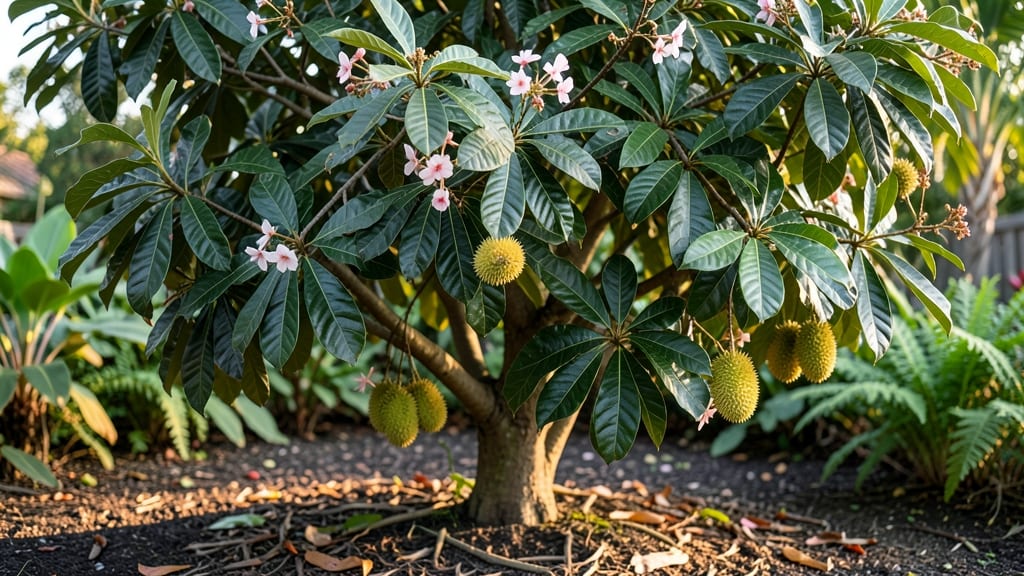
The tamarind serves as Honduras’ national fruit, celebrated for its unique sweet-tart flavor and deep cultural roots in dishes like sopa de caracol and atol de elote, while its seeds offer medicinal benefits and thrive as resilient shade trees.
The tamarind isn't just a fruit—it's a cornerstone of Honduran identity, woven into everything from street food to home remedies. 🌱 This hardy tree adapts perfectly to Honduras' tropical climate, producing pods that ripen from green to brown, signaling their peak sweetness.
Beyond its culinary star role, tamarind seeds have been used for centuries to treat digestive issues and even as natural dyes, proving this fruit's versatility extends far beyond the kitchen.
What makes tamarind particularly fascinating is how its cultivation reflects local ingenuity. Farmers often grow it alongside other crops because of its drought tolerance, making it a reliable choice for regions with irregular rainfall.
The pods' thick, fibrous shells protect the edible pulp, which can be eaten fresh, dried, or fermented—each preparation unlocking different flavor profiles that define Honduran cuisine.
For those interested in growing tamarind, the key is patience and proper care. These trees can reach heights of 80 feet but start producing fruit in just 3-5 years. Pruning young trees encourages stronger branching, while mature trees benefit from occasional deep watering during dry spells.
The seeds themselves are a gardener's secret weapon—they're incredibly hardy and can even be sprouted indoors before transplanting outside.
💡 In This Article
- Tamarind Tree: Growth, Adaptations, and Gardening Essentials
- Culinary and Medicinal Uses of Tamarind in Honduras
Tamarind tree: growth, adaptations, and gardening essentials
The tamarind tree (Tamarindus indica) thrives in Honduras' tropical climate thanks to its remarkable drought resistance. Its deep root system taps into water sources up to 50 feet below ground, allowing it to survive prolonged dry spells—a critical adaptation for Honduras' seasonal rainfall patterns.
The tree's compound leaves, with 10-30 leaflets per branch, maximize photosynthesis while minimizing water loss through their leathery texture. This hardiness makes tamarind an ideal candidate for both subsistence farming and urban landscaping.
Gardeners will find tamarind surprisingly low-maintenance once established. Young trees grow at a rate of 3-6 feet per year, reaching maturity in 5-7 years when they begin producing fruit. The key to cultivation lies in well-draining soil with a pH between 6.0-7.5—sandy loam works best.
Pruning is essential during the dry season to remove dead branches and encourage air circulation, which prevents fungal diseases like powdery mildew that can affect younger trees. 🌿 What's often overlooked is the tree's dual purpose: its dense canopy provides excellent shade, making it a popular choice for backyard plantings in Honduras.
Propagation begins with the tamarind's distinctive brown pods, which contain 1-12 hard, glossy seeds embedded in sweet-tart pulp. For gardening, soak seeds in warm water for 24 hours to soften the outer coating, then plant 1 inch deep in well-draining soil.
Germination typically occurs within 2-4 weeks when kept in warm (75-85°F) conditions. Transplant seedlings outdoors only after they've developed 4-6 true leaves and show signs of new growth, which indicates their root systems are established enough to handle Honduras' intense sunlight.
Pest management focuses on prevention rather than treatment. The tree's natural resistance means few pests bother mature specimens, but young trees may attract aphids or scale insects.
A strong spray of water or neem oil applied to the undersides of leaves usually resolves these issues without chemical intervention. 🌱 What's particularly fascinating is how tamarind trees develop a symbiotic relationship with nitrogen-fixing bacteria in the soil, reducing the need for fertilizers—a boon for organic gardeners working with limited resources.
Harvesting begins when pods turn from green to brown and develop a slightly wrinkled appearance. The pulp inside should be soft and fragrant, with a sweetness that intensifies as the pod matures.
For culinary use, pods are typically split open to extract the pulp, which can be eaten fresh or dried for later use. The seeds, often discarded, are actually rich in nutrients and can be ground into a flour used in traditional medicines or as a soil amendment for nitrogen-poor soils.
One of the tamarind's most impressive features is its ability to regenerate. Even when cut back severely, the tree will regrow from its stump—a trait that makes it exceptionally resilient in Honduras' sometimes harsh growing conditions.
This resilience extends to its ability to tolerate urban pollution, making tamarind an excellent choice for city planting projects where other fruit trees might struggle.
For those considering growing tamarind, the most important tip is patience. While the tree's care requirements are minimal, it takes time—typically 3-5 years—before you'll see your first harvest.
But once established, a single tamarind tree can produce up to 200 pounds of fruit annually, making it a worthwhile investment for both the home gardener and the commercial farmer. 🌿