
Trees
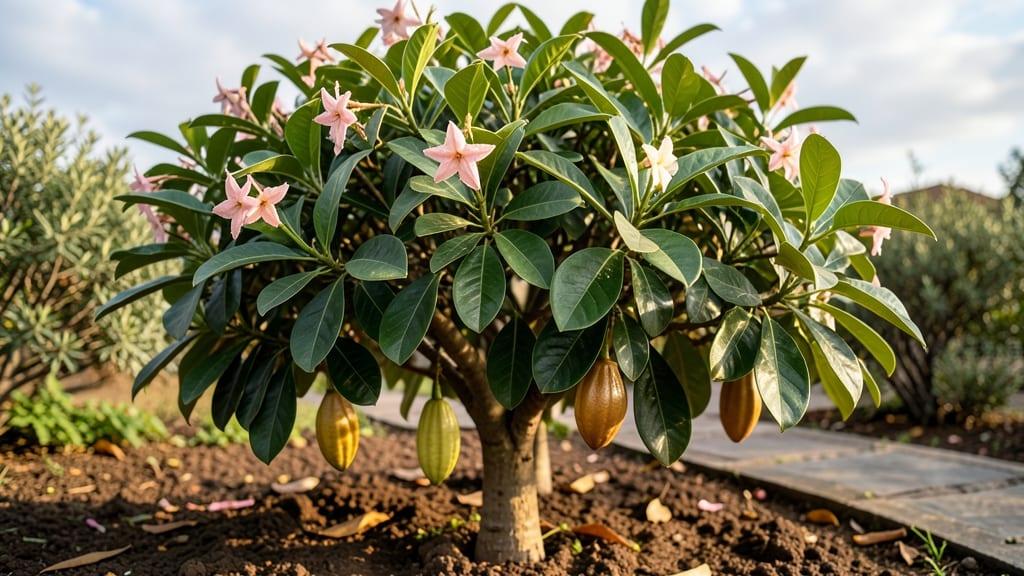
Growing star fruit trees in containers lets you enjoy tropical harvests even in small spaces. 🌿 I've grown these unusual fruits for years, and the secret is mimicking their natural habitat with minimal fuss—no greenhouse required. These trees thrive in zones 10-12, but container growing extends their range.
Choose a dwarf variety like 'Arka Surya' for easier management, and plant in a 15-gallon pot with fast-draining soil. They need bright light but tolerate partial shade better than most tropicals. You'll harvest your first fruits in 2-3 years, with each tree producing 50-100 fruits annually.
The star-shaped slices are tart-sweet, perfect for fresh eating or preserves. Just watch for scale insects and overwatering—common pitfalls that keep beginners from success. Works for balconies, patios, or even sunny windowsills with the right setup. Here's how to make it work without the tropical climate!"
📚 In This Guide
- What you need
- Instructions
- Tips and common mistakes
- Wrapping up and next steps
What you need
- ● Container: A 5-gallon or larger pot with drainage holes (minimum 18-inch diameter for mature trees). Opt for fabric grow bags or ceramic pots for better aeration.
- ● Star Fruit Tree: A 1-2 year old sapling (dwarf varieties like Averrhoa carambola ‘Dwarf’ work best for containers). Check local nurseries for tropical varieties!
- ● Well-Draining Soil: A mix of 60% potting soil, 30% perlite, and 10% compost (or a pre-mixed cactus/succulent blend with added organic matter).
- ● Fertilizer: Balanced liquid fertilizer (e.g., 10-10-10 NPK) for initial growth.
- ● Citrus/acid-loving plant fertilizer (e.g., 16-4-8) for fruiting stages.
- ● Mulch: Pine bark or coconut coir (1–2 inches thick) to retain moisture and regulate temperature.
- ● Watering Can or Hose: With a gentle spray nozzle for even hydration.
- ● Pruning Shears: Sharp, sterilized shears (for shaping and harvesting).
- ● Self-Watering System: A wicking bed or drip irrigation to automate watering.
- ● Support Stake: A 3-foot bamboo or metal stake to stabilize the tree as it grows.
- ● Grow Lights: Full-spectrum LED lights (12–16 hours/day) if growing indoors.
- ● pH Test Kit: To monitor soil acidity (ideal range: 5.5–6.5).
- ● Epsom Salt: For magnesium boosts (mix 1 tbsp per gallon of water monthly).
Step-by-Step instructions for growing star fruit trees in containers
Here's how to cultivate these tropical beauties with minimal fuss—perfect for small spaces.
🌱 Step 1: Select and Prepare the Right Container
Star fruit trees need drainage holes and a pot at least 18-24 inches deep to accommodate their extensive root systems. I recommend fabric grow bags or unglazed ceramic pots—they allow roots to breathe while preventing waterlogging. If using a standard pot, add a 2-inch layer of gravel at the bottom for drainage.
Choose a container 2-3 inches wider than the root ball of your young tree. Star fruit trees grow slowly but can reach 10-15 feet tall in containers, so plan for a sturdy, heavy pot that won’t tip over in wind. A 5-gallon container works for young trees, but upgrade to 15+ gallons as the tree matures.
🪴 Step 2: Use Well-Draining, Tropical-Specific Soil
Star fruit trees despise soggy roots, so mix equal parts potting soil, perlite, and coarse sand (or orchid bark) for optimal drainage. I avoid garden soil—it compacts and suffocates roots. If your potting mix is heavy, amend it with 10-20% coconut coir to improve aeration.
Fill the container ⅔ full with your mix, then place the tree in the center. Gently firm the soil around the root ball, ensuring no air pockets remain. The top of the root ball should sit ½ inch below the pot’s rim—this prevents water from spilling over during irrigation.
☀️ Step 3: Provide Full Sun and Consistent Heat
Star fruit trees thrive in full sun (6+ hours daily) and warmth (70-90°F). Place your container in the sunniest spot—a south- or west-facing patio, balcony, or greenhouse. If outdoors, move the tree indoors before temperatures drop below 50°F at night, as cold snaps damage leaves and fruit.
In cooler climates, use a portable grow light (12-14 hours/day) to supplement winter sunlight. You’ll notice yellowing leaves or slow growth if light is insufficient—adjust placement immediately. Star fruit trees also appreciate humidity (50-70%), so mist leaves occasionally or use a pebble tray for extra moisture.
💧 Step 4: Water Deeply but Infrequently
Let the top 2-3 inches of soil dry out between waterings—star fruit trees are drought-tolerant once established. I water once every 5-7 days in summer, reducing to every 10-14 days in winter. Overwatering causes root rot, which is fatal. Stick your finger in the soil—if it’s damp below the top inch, wait before watering again.
When watering, soak the soil thoroughly until water drains from the bottom. Empty the saucer afterward to prevent soggy roots. Fertilize monthly in spring/summer with a balanced liquid fertilizer (10-10-10) diluted to half strength. Skip fertilizer in fall/winter—star fruit trees rest during cooler months.
✂️ Step 5: Prune for Shape and Fruit Production
Prune in late winter or early spring before new growth begins. Remove dead, diseased, or crossing branches first, then trim back overly long branches to encourage bushier growth. Star fruit trees bloom on new wood, so avoid heavy pruning—just shape lightly to maintain an open canopy for airflow.
If your tree flowers but doesn’t fruit, it may need more sunlight or warmer temperatures. Female flowers (smaller, with a stigma) produce fruit, while male flowers (larger, without a stigma) are ornamental. If your tree has only male flowers, it’s likely too young—patience is key! Harvest fruit when it’s bright yellow and slightly soft to the touch—usually 6-12 months after flowering.
Tips & tricks for growing star fruit trees in containers
Here's what nobody tells you about keeping these tropical trees thriving in small spaces without the usual fuss.
Container Stability: Star fruit trees can grow surprisingly tall in containers, so choose a pot with a wide, sturdy base—think ceramic or heavy plastic, not lightweight plastic. I've seen 10-foot trees topple over in wind from unstable containers. Position it near a wall or use a weight like bricks in the bottom for extra security. The 18-24 inch depth mentioned in Step 1 is non-negotiable for root health, but don't skimp on stability.
Soil Mix Secrets: The equal parts potting soil, perlite, and coarse sand mix in Step 2 works wonders, but here's the pro move: sterilize your soil mix first by baking it at 200°F for 30 minutes to kill pests and pathogens. I also add a handful of worm castings (optional) to boost microbial activity without compromising drainage. This prevents the common issue of fungal infections that can plague container-grown tropicals.
Light Supplementation: When using grow lights in Step 3, position them 12-18 inches above the tree for the 12-14 hour daily supplement. LED grow lights are most efficient—avoid incandescent bulbs that generate too much heat. I've noticed that trees under grow lights develop darker green leaves and grow more vigorously than those relying solely on natural light, especially during winter months when daylight is scarce.
Fertilizer Timing: The monthly spring/summer fertilization in Step 4 is perfect, but here's the key: reduce fertilizer strength by 50% in late summer (around August) to prepare the tree for its winter rest period. Over-fertilizing at this time can lead to salt buildup in the soil, which actually hurts root growth. I also recommend using a slow-release fertilizer in spring to provide steady nutrition without the risk of overfeeding.
Pro Tips for Star Fruit Trees
- Here's what nobody tells you about keeping these tropical trees thriving in small spaces without the usual fuss.
- Container Stability: Star fruit trees can grow surprisingly tall in containers, so choose a pot with a wide, sturdy base—think ceramic or heavy plastic, not lightweight plastic.
- I also add a handful of worm castings (optional) to boost microbial activity without compromising drainage.
Frequently asked questions
Got questions about growing star fruit trees? Here are some common ones—and their answers!
Whether you're a beginner or a seasoned gardener, these tips will help you cultivate healthy, fruit-bearing trees with ease.
How long does it take for a star fruit tree to bear fruit?
A young star fruit tree typically takes 3–5 years to produce fruit, depending on climate, care, and variety. Patience is key—ensure it gets full sun, well-draining soil, and consistent watering to speed up the process. Dwarf varieties may fruit slightly sooner!
Can star fruit trees survive cold weather?
Star fruit trees (Averrhoa carambola) are tropical and cannot tolerate frost. Temperatures below 30°F (-1°C) will damage or kill the tree. If you live in a colder zone, grow it in a large container and bring it indoors during winter or plant it near a heat source.
What’s the best way to prune a star fruit tree?
Prune in late winter or early spring to shape the tree and encourage airflow. Remove dead, diseased, or crossing branches first. Lightly trim back overgrown branches to maintain a balanced shape. Avoid heavy pruning—star fruit trees are sensitive and may take longer to recover.
What pests or diseases should I watch for?
Common issues include aphids, mites, and fruit flies. Yellowing leaves may signal overwatering or nutrient deficiency. Preventative care like neem oil sprays and proper drainage helps. If fungal spots appear, remove affected leaves and improve airflow around the tree.
Can I grow star fruit from seed?
Yes, but grafted trees (available at nurseries) are more reliable for fruit production. Seeds may take 5+ years to fruit and often produce different varieties. If starting from seed, soak it overnight, plant in well-draining soil, and keep it warm and moist until germination (2–4 weeks).
Wrapping up and next steps
Growing star fruit trees in containers is a rewarding way to enjoy tropical flavors without the space or maintenance of a full garden. With just a sunny spot, well-draining soil, and a little patience, you can harvest sweet, aromatic fruit year after year.
Whether you’re a beginner or a seasoned gardener, this low-maintenance method proves that big rewards come in small pots!
Ready to take the next step? Start with a single plant—experiment with varieties, share tips with fellow plant lovers, and watch your container garden thrive. Happy growing! 🌱✨