
Blooming
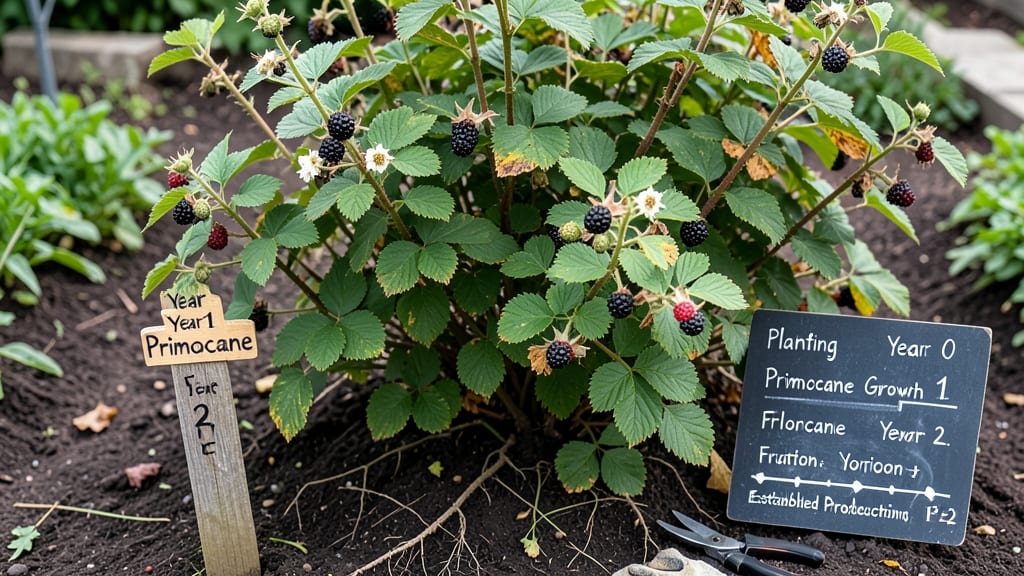
Blackberry bushes take how long before blackberry bushes produce fruit in 1 to 3 years after planting, depending on variety and care—but most gardeners miss the tricks to speed up that timeline.
If you’ve planted blackberry bushes but are impatiently waiting for juicy, ripe berries, you’re not alone. The wait can feel endless, especially when you see neighbors harvesting in just two seasons.
The good news? With the right variety, pruning, and soil prep, you can cut that wait by nearly half.
Thornless varieties like 'Natchez' often fruit in as little as 18 months, while traditional types may take closer to three years. Climate, sunlight, and even how you prune play a bigger role than most gardeners realize.
Below, I’ll walk you through the fastest ways to get your blackberry bushes 🫐 fruiting sooner—from choosing the right variety to pruning hacks that boost harvests by 2-3 years.
Blackberry bush fruit production timeline by variety: when to expect your first harvest
If you’ve planted blackberry bushes, you’re likely wondering how long before blackberry bushes produce fruit. The answer depends on the variety type and growing conditions. Most blackberries take 1-3 years to bear fruit, but primocane varieties can surprise you with berries as early as their first year.
Let’s break down the timelines by common blackberry types so you know what to expect.
First-year production is rare but possible with primocane varieties, which produce fruit on new growth.
These varieties, like 'Prime-Ark Freedom' or 'Natchez', can yield berries in 6-12 months under ideal conditions. Floricane varieties, like 'Triple Crown' or 'Chester', typically wait until their second year to produce fruit on older canes. Understanding these differences is key to managing expectations and optimizing care.
| Variety Type | First Fruit Timeline | Climate Zones | Notes |
|---|---|---|---|
| Primocane (Thornless) | 6-12 months | Zones 5-9 | Fruits on new canes; harvests in late summer/fall. |
| Floricane (Thorny/Thornless) | 18-24 months | Zones 4-8 | Fruits on second-year canes; harvests in summer. |
| Early Primocane-Floricane | 12-18 months | Zones 6-9 | Produces on both new/old canes; extended harvest season. |
| Late-Season Floricane | 24-36 months | Zones 5-7 | Requires colder winters; harvests in late summer. |
Your climate zone plays a huge role in when blackberries fruit. In warmer zones (7-9), primocane varieties like 'Arapaho' or 'Ouachita' can produce fruit in their first year, while cooler zones (4-6) may delay fruiting until the second or third year.
For example, 'Chester', a classic floricane variety, thrives in Zones 5-8 but typically waits until year 2 for a full harvest.
For thornless varieties, like 'Prime-Ark Freedom', expect fruit in 6-12 months if planted in Zones 6-9. These varieties are popular for home gardens because they’re easier to harvest without gloves.
Meanwhile, thorny varieties, such as 'Darrow', may take 2 years to produce fruit but often yield larger berries. The trade-off? Thorny bushes require more protective gear during harvest.
If you’re in a warmer climate (Zones 8-10), you can push the timeline even further. Varieties like 'Prime-Jim' or 'Apache' can produce fruit in their first year and continue yielding for decades.
However, in colder climates (Zones 3-5), blackberries may need 3 years to establish before fruiting. Cold winters can delay growth, so choose hardy varieties like 'Black Satin' or 'Cheyenne' for better success.
One common misconception is that all blackberries fruit in their first year. While primocane varieties can, floricane types need time to develop second-year canes for fruit production. If you planted a floricane variety and see no fruit after 12 months, don’t panic—patience is key.
Focus on proper pruning and soil health to encourage stronger canes for next year’s harvest.
To speed up fruiting, ensure your blackberries get full sun (6+ hours daily) and well-draining soil with a pH of 5.5-6.5. Adding compost or organic matter at planting time can also jumpstart growth.
If your soil is poor, consider a balanced fertilizer (10-10-10) in early spring to give your bushes a nutrient boost. These small steps can shave off 6-12 months from the fruiting timeline.
Harvest timing also varies by variety. Primocane varieties like 'Natchez' ripen in late summer to fall, while floricane types like 'Triple Crown' produce in mid-to-late summer. Always pick berries when they’re fully black and plump—waiting too long can lead to bird damage or overripe fruit.
A general rule: if the berry detaches easily with a gentle tug, it’s ready to harvest.
If you’re eager for fruit, consider planting a mix of primocane and floricane varieties. This way, you’ll have berries in year 1 (from primocanes) and year 2 (from floricanes), extending your harvest season. For example, pairing '
How pruning and care can accelerate blackberry fruit production by 2-3 years
Blackberry bushes are notorious for their patience—most varieties take 2 to 3 years to produce a meaningful harvest. But with the right pruning techniques and care, you can shave 1 to 2 years off that timeline.
The key lies in understanding your blackberry's growth cycle and how to manipulate it for earlier fruiting.
Most blackberries produce fruit on second-year canes (called floricane types), while some varieties like 'Prime-Ark Freedom' bear fruit on first-year canes (primocane types). Knowing which type you have—and how to prune them—directly impacts how quickly you’ll see berries. Let’s break down the proven methods to accelerate your harvest.
⚠️ WARNING: Delayed fruiting isn’t always about age—it’s often about pruning mistakes.
If your 2-year-old blackberry bushes still haven’t produced fruit, check these 3 common errors:
- Over-pruning new canes (removing more than 20% of growth in a season)
- Ignoring primocane varieties (assuming all blackberries fruit on second-year canes)
- Poor soil nutrition (lack of potassium and phosphorus for fruit development)
Fix these issues now, and you could see fruit in 6-12 months instead of 3 years.
For floricane types (like 'Triple Crown' or 'Chester'), the secret is renewal pruning. In late winter or early spring, remove all old canes (those that fruited last year) and keep 6-8 of the strongest new canes.
These will produce fruit next season. The trade-off? You’ll sacrifice this year’s harvest for a bigger one next year—but it’s worth it for long-term productivity.
If you’re growing primocane varieties (like 'Natchez' or 'Arapaho'), the game changes. These bushes fruit on first-year canes, meaning you can harvest in the same year you plant—if you prune correctly.
After harvest, cut back 50% of the canes to encourage new growth for next year’s crop. This dual harvest system can give you berries twice a year with proper care.
Don’t overlook soil nutrition—blackberries are heavy feeders. Before planting, amend your soil with compost and a balanced 10-10-10 fertilizer.
During the growing season, side-dress with potassium-rich fertilizer (like 0-0-50) in early summer to boost fruit set. Deep watering (1-2 inches per week) is equally critical, especially during flowering and fruiting stages.
Finally, watch your watering schedule. Blackberries hate soggy roots but need consistent moisture. Water deeply in the morning to prevent fungal diseases like botrytis, which can rot flowers and fruit before they ripen.
Mulch with straw or wood chips to retain moisture and regulate soil temperature—this alone can improve fruit production by 30% in hot climates.
With these pruning and care adjustments, you could see your first meaningful blackberry harvest in just 1-2 years instead of waiting the full 3 years. The key is consistency—stick to your pruning schedule, feed the soil, and keep those roots happy. Your patience (and your berries) will pay off! 🫐