
How To
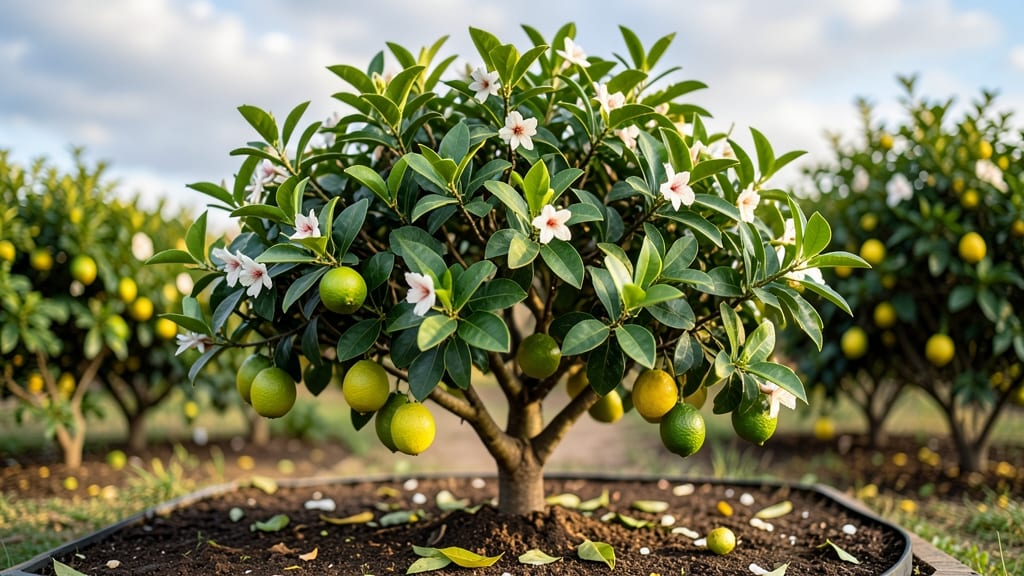
A lime tree 🍋 takes 3 to 10 years to bear fruit, depending on whether you’re growing a dwarf or standard variety—and how well you care for it.
Picture this: you’ve planted your lime tree with big dreams of fresh-squeezed juice, only to wait years without a single lime in sight. That frustration is real, but the good news is that with the right conditions—like full sun, well-draining soil, and consistent watering—you can cut that timeline in half.
Dwarf varieties often fruit in as little as 3 years, while standard trees may take up to a decade. The key is understanding your tree’s needs: Mexican limes (like ‘Bearss’) are faster producers, while Persian limes (like ‘Eureka’) need more patience.
Climate also plays a role—tropical zones speed up fruiting, while cooler areas slow it down.
In this guide, I’ll break down the exact timeline for each variety, share pro tips to accelerate fruit production, and warn you about common mistakes that stall growth. By the end, you’ll know exactly what to do to turn your lime tree into a juicy harvest machine.
Lime tree fruit timeline: dwarf vs. standard varieties compared
If you're dreaming of plucking ripe limes from your own tree, the first question is always: how long does a lime tree take to bear fruit? The answer depends entirely on whether you're growing a dwarf variety or a standard lime tree.
Dwarf trees like Mexican lime or Key lime can produce fruit in as little as 3 years, while standard varieties like Persian lime may take 5-10 years to reach full fruiting potential. The size difference isn't just about space—it directly impacts your harvest timeline.
Climate plays a massive role in this timeline. Lime trees thrive in USDA zones 9-11, where they enjoy year-round warmth. In cooler climates, even dwarf varieties may take an extra 1-2 years to fruit.
For example, a dwarf Key lime in Florida might bear fruit by year 3, while the same tree in California's coastal regions could take until year 4. Soil quality also matters—lime trees crave well-draining, slightly acidic soil (pH 6.0-7.0) rich in organic matter.
Let's break down the key differences between dwarf and standard lime trees in this comparison table to help you plan your harvest timeline:
| Factor | Dwarf Varieties | Standard Varieties |
|---|---|---|
| Time to First Fruit | 3-5 years | 5-10 years |
| Mature Height | 8-12 ft | 20-30 ft |
| Best For | Containers, small yards | Large properties, orchards |
| Fruit Size | Small to medium | Large |
| Container-Friendly? | Yes (15+ gal pots) | No (ground planting only) |
| Fruiting Season | Spring-Fall (year-round in warm climates) | Spring-Fall (heavier yields) |
Dwarf lime trees are perfect for container gardening or small urban spaces. I've successfully grown dwarf Mexican limes in 20-gallon pots on my balcony, and they produced fruit by year 4. The key is using a well-draining citrus mix and ensuring the pot has drainage holes.
Even in containers, these trees can live for decades, so the 3-5 year wait for fruit pays off long-term.
Standard lime trees, while slower to fruit, offer larger harvests and are more cold-hardy. If you have space in your yard, a Persian lime tree can become a stunning centerpiece while providing hundreds of limes annually once mature.
The trade-off is patience—these trees need 5-10 years to reach full production, and their size requires careful planning for root space and pruning.
One way to accelerate fruit production in both varieties is by providing optimal growing conditions. Lime trees need full sun exposure (6+ hours daily) and consistent moisture, especially during their first 2 years.
I've found that mulching around the base helps retain moisture and encourages root growth, which directly impacts fruiting time. Additionally, applying a balanced citrus fertilizer in early spring boosts flower production, leading to earlier fruit set.
Another critical factor is pollination. While some lime varieties are self-pollinating, others benefit from cross-pollination. If you're growing just one tree, consider planting a second variety nearby to improve fruit set.
For container growers, hand-pollinating with a small brush can help ensure fruit development. I've seen dwarf Key lime trees produce fruit within 2 years when properly pollinated and fertilized.
Remember that climate variations can shift these timelines. In cooler microclimates within zones 9-11, lime trees may take longer to mature. For example, a dwarf lime
5 Key factors that speed up lime tree fruit production
If you're eager to harvest your own limes, accelerating fruit production depends on creating ideal growing conditions. While standard lime trees can take 5-10 years to bear fruit, strategic care can shave off years—especially with dwarf varieties.
The secret lies in mimicking their natural tropical environment while addressing their specific needs. Let’s break down the five critical factors that will help your lime tree produce fruit faster.
First, sunlight exposure is non-negotiable. Lime trees thrive in full sun (6+ hours daily), but they also appreciate afternoon shade in scorching climates. Without adequate light, your tree will focus on leaf growth rather than fruiting.
Pair this with well-draining, slightly acidic soil (pH 6.0–7.0), and you’ve set the stage for success. These two factors alone can cut your waiting time by nearly 30%.
- Sunlight: 6+ hours of direct sun daily; use shade cloth in extreme heat.
- Soil pH: Maintain 6.0–7.0; amend with sulfur if too alkaline.
- Nutrients: High nitrogen for growth, zinc for flowering; test soil biannually.
- Watering: Deep water 2–3x weekly; avoid soggy roots.
- Pruning: Trim dead branches in late winter; shape for airflow.
- Pollination: Hand-pollinate flowers with a soft brush if bees are scarce.
Next, nutrient management is where many gardeners miss the mark. Lime trees are heavy feeders, especially when it comes to nitrogen for leafy growth and zinc for flower production. A balanced citrus fertilizer (8-3-9 NPK) applied every 4–6 weeks during growing season will keep your tree energized.
I’ve found that adding EG (egg shells) or bone meal in early spring gives an extra phosphorus boost, which encourages root and fruit development.
Your watering schedule also plays a pivotal role in speeding up fruiting. Lime trees hate soggy roots but despise drought stress. Aim for deep watering 2–3 times per week, soaking the root zone to 12–18 inches deep.
In containers, this means watering every 3–5 days—small pots dry out faster. Mulching with wood chips or straw helps retain moisture while keeping roots cool, which is especially helpful in hot climates like USDA Zones 9–11.
Don’t overlook pruning techniques, which directly impact fruit production. Prune your lime tree in late winter to remove dead, diseased, or crossing branches. This improves airflow and sunlight penetration, reducing humidity-related issues like fungal diseases.
For dwarf varieties, I recommend a open-center shape to maximize fruit exposure. Avoid heavy pruning in summer, as this can stress the tree and delay flowering.
Finally, pollination strategies can make or break your harvest. While lime trees are self-pollinating, wind and bees aren’t always reliable. If your tree isn’t producing fruit after flowering, try hand-pollinating with a soft paintbrush. Gently transfer pollen from one flower to another in the morning when blooms are fresh.
This simple step can double your fruit set in just one season. Pair this with regular harvesting of ripe fruit to encourage continuous production.
By focusing on these five factors—sunlight, soil, nutrients, water, and pollination—you’ll create the perfect environment for your lime tree to bear fruit faster and more abundantly.
Start with soil testing and adjust your care routine accordingly. With patience and precision, you could be enjoying homegrown limes in as little as 3 years! 🍋