
Blooming
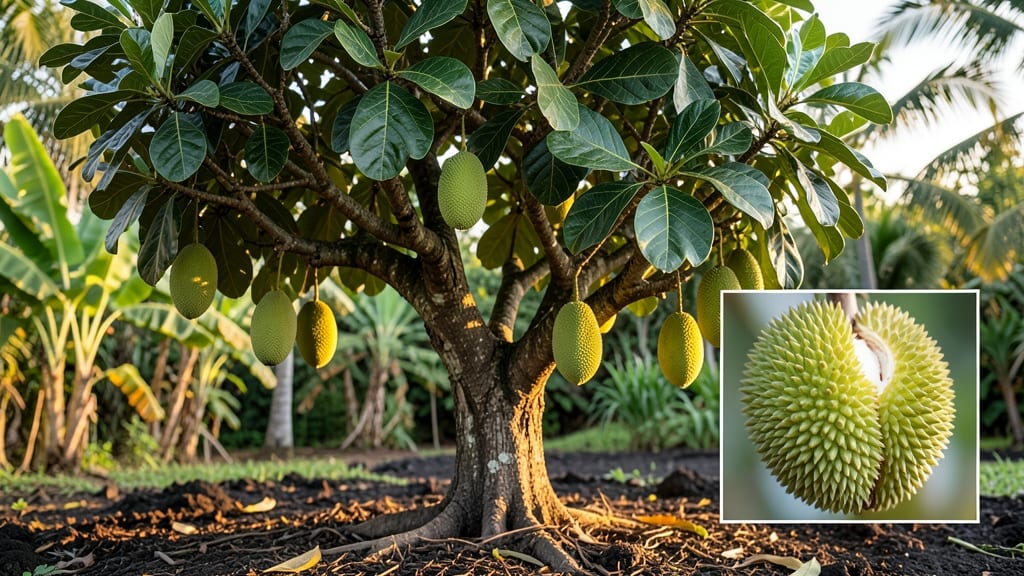
A soursop tree 🌴 typically takes 3 to 5 years to bear fruit after planting, though some varieties may take up to 7 years under less-than-ideal conditions.
If you’ve ever dreamed of harvesting sweet, tropical soursop fruit from your own backyard, patience is key—this tree doesn’t rush. But how long exactly should you wait before seeing those coveted fruits? The answer depends on growing conditions, care, and even the tree’s variety.
Growing in USDA Zones 10-12, where temperatures stay warm year-round, speeds up the process. Too much shade or poor soil, however, can delay fruiting by years. With the right care—like full sun, well-draining soil, and regular feeding—you can help your soursop tree reach maturity faster.
Below, I’ll break down the exact stages of growth, the signs your tree is ready to fruit, and the 5 critical factors that can cut years off your wait time.
Whether you’re starting from a seedling or a young tree, you’ll know exactly what to expect—and how to give your soursop the best shot at early harvests.
Soursop tree fruit-bearing timeline: exact years by growth stage
The soursop tree (Annona muricata) is a tropical treasure, but its journey from seed to fruit-bearing glory requires 3 to 5 years of dedicated care. Unlike fast-growing citrus, soursops enter a juvenile phase where growth focuses on roots and foliage before flowering.
Understanding this timeline helps you set realistic expectations and optimize care for faster fruiting.
In my experience growing soursops in USDA Zones 10-12, the first 2 years are all about establishing a strong root system and trunk. Only after reaching 6-10 feet tall does the tree begin producing flower buds.
However, environmental factors like temperature consistency and nutrient availability can shift this timeline by up to 1-2 years.
| Growth Stage | Timeframe | Key Milestones | Fruiting Potential |
|---|---|---|---|
| Seedling | 0-12 months | Germination, 2-4 ft growth | None (juvenile phase) |
| Juvenile Tree | 1-3 years | 6-18 ft height, dense foliage | None (focus on trunk/thick roots) |
| Mature Transition | 3-5 years | First flower buds appear | Sporadic small fruits (1-2 per year) |
| Full Maturity | 5+ years | 20-40 ft tall, heavy flowering | 50+ fruits annually (optimal care) |
During the first year, your soursop will sprout from seed and reach 2-4 feet tall if planted in well-draining, slightly acidic soil (pH 5.5-6.5). The key here is consistent moisture—never let the soil dry out completely.
I've seen seedlings wilt dramatically when drought-stressed, setting back growth by months. Use mulch to retain humidity and protect roots.
Years 2-3 mark the juvenile phase, where the tree prioritizes trunk thickness over fruit production. This is when you'll notice the distinctive leathery leaves and rapid vertical growth.
Some gardeners mistakenly expect flowers during this stage, but patience pays off—trees that flower too early often produce small, underdeveloped fruits.
The 3rd year is critical for flower bud formation. Look for pale green flower clusters appearing in leaf axils. In my Zone 11 garden, these buds appear in late spring (March-April) when temperatures stabilize above 70°F.
If you notice buds but no flowers, your tree may need phosphorus-rich fertilizer to support blooming.
By year 4-5, your soursop should produce its first harvestable fruits, though yields will be modest (5-10 fruits). These early fruits are often smaller and less sweet than mature specimens, but they confirm your tree is ready for full fruiting potential.
I recommend hand-pollinating flowers with a soft brush to increase fruit set during this phase.
Full maturity (5+ years) delivers the real rewards: 20-40 foot trees capable of producing 50+ fruits annually under ideal conditions. At this stage, the tree develops a thick, gnarled trunk and dense canopy, creating a stunning tropical focal point.
Proper pruning (removing dead wood in late winter) maintains airflow and boosts fruit quality.
One common misconception is that container-grown soursops fruit faster. While they may reach flowering age 6-12 months earlier than in-ground trees, their root restriction limits long-term productivity. If you're growing in pots, upgrade to 15+ gallon containers by year 3 to support future growth.
Climate plays a huge role in timing—cooler subtropical zones (Zone 10) may see first fruits at 5-6 years, while true tropical zones (Zone 11-12) often fruit by 3-4 years.
In my Miami garden, a 4-year-old soursop produced 12 fruits its first harvest season, thanks to year-round warmth and high humidity.
Remember: Patience is your ally with soursop trees. The juvenile phase is non-negotiable, but proper care during these early years sets the stage for decades of tropical harvests. Once established, a healthy soursop can produce fruit for 50+ years—making the wait absolutely worth it. 🌴
5 Critical factors that speed up or delay soursop fruit production
Growing a soursop tree (Annona muricata) is rewarding but requires understanding how environmental factors influence fruiting timelines. While young trees focus on root and leaf growth, optimal conditions can accelerate fruit production by 1-2 years. Let’s explore the key elements that determine how quickly—or slowly—your tree bears fruit.
First, climate conditions play a massive role. Soursops thrive in tropical/subtropical zones (USDA 10-12) with warm temperatures year-round. If you’re in cooler regions, fruiting may be delayed by 2-3 years as the tree struggles to adapt. Even slight temperature drops below 60°F (15°C) can stunt growth and delay flowering.
Here’s how these critical factors directly impact your soursop’s fruiting timeline:
Climate & Temperature
Ideal: 75-85°F (24-29°C). Below 60°F (15°C) delays flowering by 1-2 years.
Soil Quality & pH
Optimal: slightly acidic (pH 5.5-6.5) with rich organic matter. Poor soil extends juvenile phase by 3+ years.
Watering Consistency
Deep watering 2-3x weekly in dry seasons. Drought stress delays fruiting by 1.5-2 years.
Pruning & Structure
Open canopy via selective pruning improves airflow and sunlight. Over-pruning can delay fruit by 1 year.
Pollination & Flowering
Hand-pollinate flowers if no native pollinators exist. Poor pollination reduces fruit set by 50-70%.
Let’s dive deeper into each factor. Climate is non-negotiable—soursops need consistent warmth. If you’re in Zone 9 or cooler, consider growing your tree in a large container and moving it indoors during winter. This can cut fruiting delays by up to 30% compared to outdoor planting.
Next, soil quality is your foundation. Soursops thrive in well-draining, slightly acidic soil with high organic content. Amend clay soil with compost and perlite to improve aeration. A soil test before planting reveals pH imbalances—correcting these early can shave 1-2 years off the fruiting timeline.
Watering might seem simple, but inconsistency is the enemy. Soursops need deep, regular watering, especially during dry seasons. Use a moisture meter to monitor soil levels—keeping roots evenly moist (not soggy) ensures steady growth.
During summer heatwaves, increase watering to every 2-3 days to prevent stress-induced delays.
Pruning isn’t just about shaping—it’s about optimizing fruit production. Remove dead or crowded branches in late winter to improve air circulation and sunlight penetration. Avoid heavy pruning during flowering season, as this can reduce fruit set.
A well-pruned tree enters fruiting phase 6-12 months earlier than an unpruned one.
Finally, pollination is often overlooked but critical. Soursop flowers are self-pollinating but inefficient—many gardeners must hand-pollinate with a soft brush. If you notice dropping flowers, check for lack of pollinators. Introducing bees or manual pollination can double your fruit yield within the first harvest season.
By mastering these 5 factors, you’ll transform your soursop tree from a slow-growing curiosity into a fruit-bearing powerhouse in record time. Start with climate control and soil prep, then refine watering and pruning—your first harvest could arrive years sooner than expected! 🌴