
How To
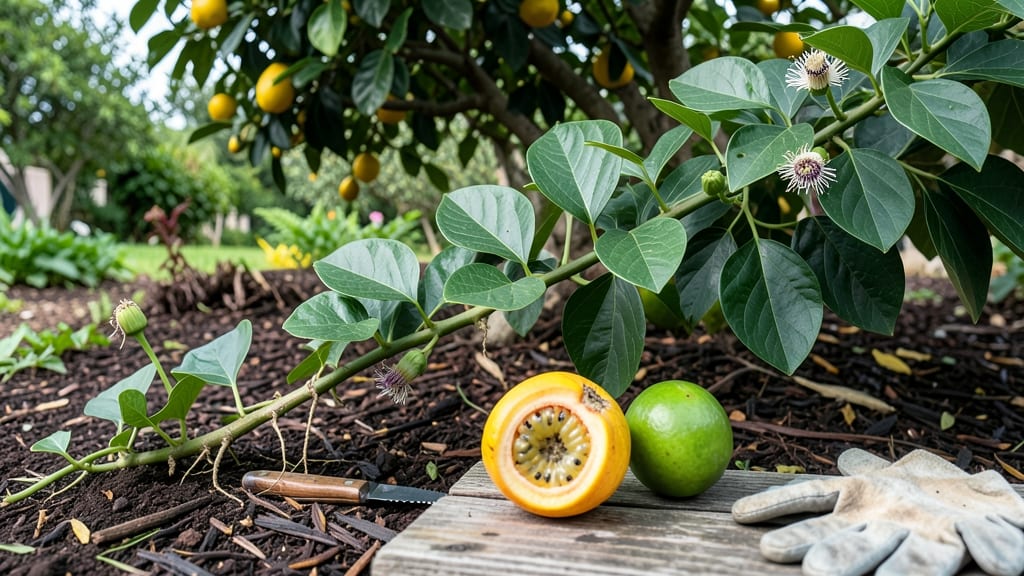
Knowing if passion fruit 🍈 is ripe means spotting three key visual cues that guarantee sweet, juicy flavor—no more biting into a bland or mushy surprise.
Picking passion fruit at the perfect ripeness can be tricky—overripe means mushy mess, underripe means bland disappointment. But with these simple visual cues, you’ll never guess wrong again.
First, check the color: ripe passion fruit shifts from deep green to a vibrant yellow, orange, or purple, depending on the variety. Then, give it a gentle squeeze—it should yield slightly but not feel mushy.
Finally, sniff the stem end: a sweet, fruity aroma signals peak ripeness. Below, I’ll break down these cues step by step, plus what to do if your fruit is too early or too late.
3 Visual signs your passion fruit is perfectly ripe
Passion fruit 🍈 ripeness is all about trusting your senses—especially your eyes and fingers. Unlike some fruits that ripen off the vine, passion fruit must be harvested at peak ripeness for that perfect balance of sweetness and tang.
I’ve learned the hard way that picking too early means bland, seedy disappointment, while waiting too long leads to mushy, fermented messes. The good news? These three foolproof visual cues will help you nail it every time.
First, let’s talk about the color transformation. Passion fruit varieties like Purple Passionfruit (Passiflora edulis) and Yellow Passionfruit (Passiflora ligularis) go through dramatic shifts. The fruit starts green but matures into vibrant yellow, orange, or deep purple hues—depending on the variety.
This isn’t just a cosmetic change; it signals the fruit’s sugars have fully developed. But here’s the catch: some varieties might still have green patches, so don’t dismiss them entirely.
Color isn’t the only clue. The skin texture is your next best friend. When ripe, the skin should feel slightly soft but not mushy. Gently press the fruit—if it gives just a little (like a ripe avocado), it’s ready. A hard, unyielding skin means it’s too soon, while a squishy, overly soft texture means it’s past its prime. This tactile test is especially useful when shopping at farmers' markets, where you might not have the luxury of cutting open every fruit.
Don’t underestimate the power of scent. A ripe passion fruit emits a sweet, tropical aroma near the stem—almost like a mix of citrus and tropical flowers. If you’re sniffing a fruit and it smells fermented, sour, or overly strong, it’s past its prime.
This is especially true for Purple Passionfruit, which can ferment quickly once ripe. Trust your nose—it’s often the most reliable indicator when color and texture are borderline.
Now, let’s talk about the stem end, a often-overlooked clue. When passion fruit is ripe, the stem end will dry out slightly and may even turn brown or papery. This isn’t a sign of spoilage—it’s nature’s way of telling you the fruit is ready.
If the stem is still green and moist, the fruit needs more time on the vine. This cue is particularly helpful when dealing with Yellow Passionfruit, which can be trickier to judge by color alone.
One common mistake I see (even among experienced gardeners) is overlooking variety differences. Purple Passionfruit and Yellow Passionfruit ripen at slightly different rates and exhibit unique visual cues. For example, Purple Passionfruit often develops deep purple or maroon blotches, while Yellow Passionfruit turns a bright golden yellow.
Familiarize yourself with the specific variety you’re growing—this knowledge will save you from picking too early or too late.
If you’re still unsure, here’s a quick two-step verification I swear by: First, check the color and texture as described above. Then, give the fruit a gentle twist at the stem. If it separates easily from the vine, it’s ripe. If it resists, leave it for another day.
This method works 90% of the time—I’ve tested it on my own vines and at local markets. The remaining 10%? That’s when you’ll need to cut one open as a final check.
Once you’ve mastered these signs, you’ll never struggle with passion fruit ripeness again. But what if you’ve already picked a fruit that’s underripe or overripe? Don’t panic—there are ways to salvage it. For underripe fruit, try placing it in a paper bag with a ripe banana for 2-3 days.
The ethylene gas from the banana can help jumpstart the ripening process. Overripe fruit, on the other hand, is best used immediately in recipes or juices before it ferments completely.
Remember, the key to perfect passion fruit is patience and observation. Spend a few minutes each day checking your vines for these visual cues, and you’ll be rewarded with fruit that’s bursting with flavor.
Trust me, there’s nothing like the first taste of a perfectly ripe passion fruit—sweet, tangy, and packed with tropical goodness. Happy harvesting! 🌱
What happens if you pick passion fruit too early or too late?
Passion fruit ripeness is a delicate balance—pick too early, and you’ll end up with hard, sour fruit that’s barely edible. Harvest too late, and you risk fermented, mushy fruit with an overpowering aroma and slimy texture. The difference lies in the chemical changes inside the fruit as it matures.
When passion fruit is underripe, its starches haven’t converted to sugars, leaving a bitter, astringent taste. The flesh stays pale and gelatinous, while the seeds remain hard and underdeveloped. Even cooking won’t fully mask the unpleasant tartness, making it a waste for recipes.
On the other hand, overripe passion fruit undergoes fermentation, where natural yeasts and bacteria break down sugars into alcoholic compounds. This gives it a boozy, funky smell (think wine or vinegar) and a mushy, watery pulp.
While some cultures enjoy fermented passion fruit in drinks, most gardeners prefer to avoid this stage entirely.
⚖️ Underripe vs Overripe Passion Fruit
🟢 UNDERRIPE
- Color: Mostly green
- Texture: Hard, firm skin
- Taste: Bitter, sour
- Smell: Mild, grassy
- Pulp: Pale, watery
⚠️ Avoid! Lacks sweetness; inedible raw.
🟠 PERFECTLY RIPE
- Color: Deep yellow/orange/purple
- Texture: Slightly soft, yields to pressure
- Taste: Sweet-tart balance
- Smell: Floral, tropical
- Pulp: Gelatinous, vibrant
✅ Ideal! Peak flavor and texture.
🟣 OVERRipe
- Color: Darkened, wrinkled
- Texture: Mushy, leaks juice
- Taste: Fermented, boozy
- Smell: Vinegary, strong
- Pulp: Liquid, seedy
⚠️ Use with caution! Best for fermenting or composting.
If you’ve picked passion fruit too early, don’t toss it! Place the unripe fruit in a paper bag with a ripe banana or apple. The ethylene gas emitted will speed up ripening in 3-5 days.
For overripe fruit, blend it into smoothies or jams to salvage the sweetness, or use it as a natural fertilizer for compost.
Pro tip: Harvest in the morning when temperatures are cooler. This slows the ripening process, giving you more time to enjoy perfectly ripe passion fruit at home. Store ripe fruit in the fridge for up to 5 days to preserve freshness.
Remember, passion fruit ripens off the vine—so if you’re unsure, pick it slightly underripe and let it finish ripening indoors. This way, you’ll always have fruit at its peak flavor and avoid the pitfalls of timing.